
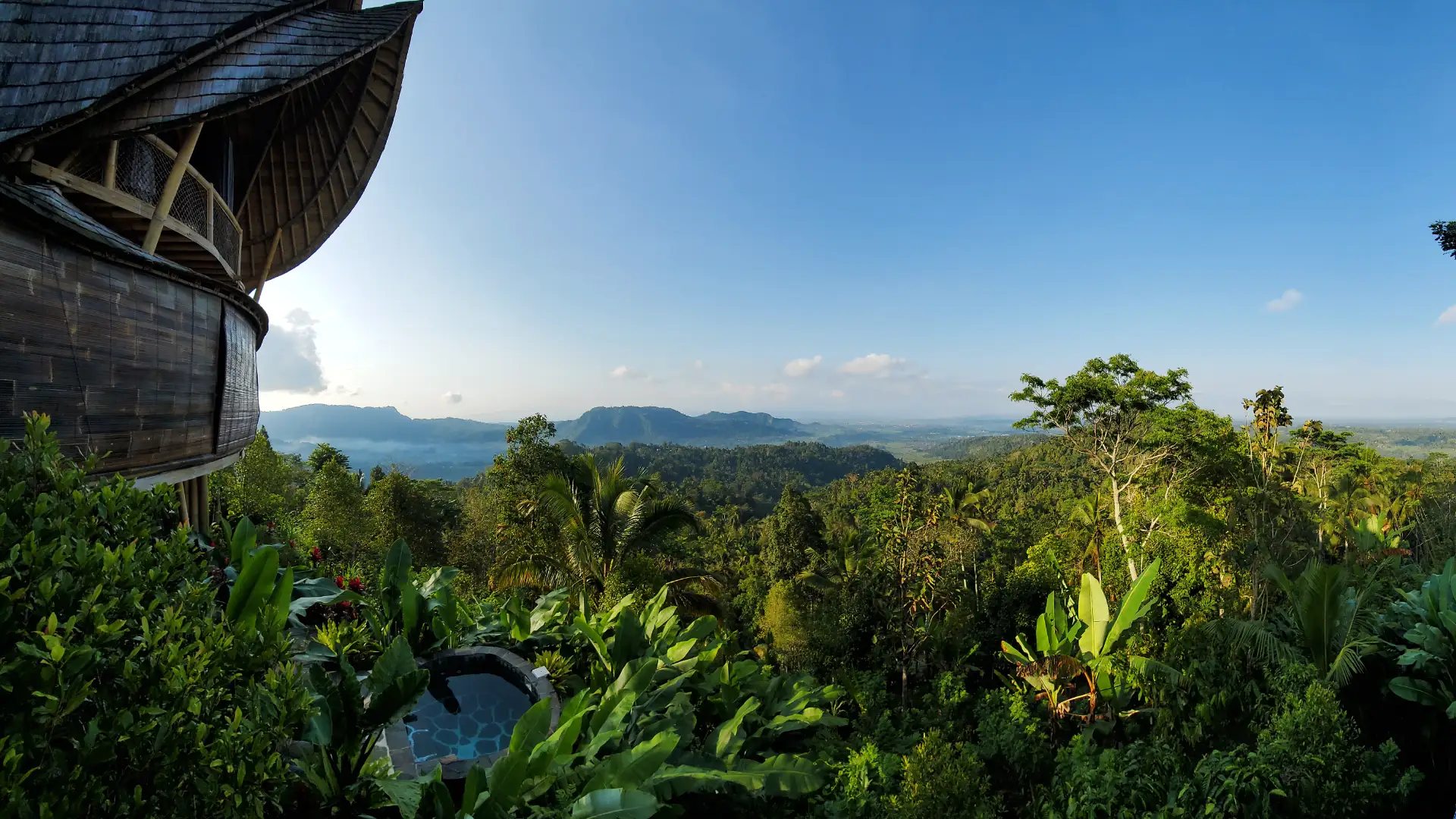
Imagine waking up to the sound of waves in a beach bungalow, or watching the sunrise over the rice fields from a cabin up in the trees.
Choosing where to stay is such a big part of your trip.
For the longest time, I always stayed at hotels or motels since they were the most convenient. I knew what to expect when I booked them.
But the more I travel, the more I realize that there’s more to accommodations than just your regular chain hotel.
During our slow travels, Tim and I try to stay local because it allows us to get immersed in the culture, meet locals, and truly experience the country we’re visiting.
So, in this article let’s explore how to find hidden gems that will make your slow travel experience unforgettable.
Table of Contents
1. Homestays and Farmstays
Homestays and farmstays can be such a fun way to immerse yourself in the local culture. These kinds of accommodations provide such a unique experience because you get to interact with a local and share in their daily life. And by booking with local hosts, you’re supporting local businesses.
Search for stays in your destination to find local booking websites. You can also use sites like Homestay.com, or even platforms like Airbnb and VRBO.
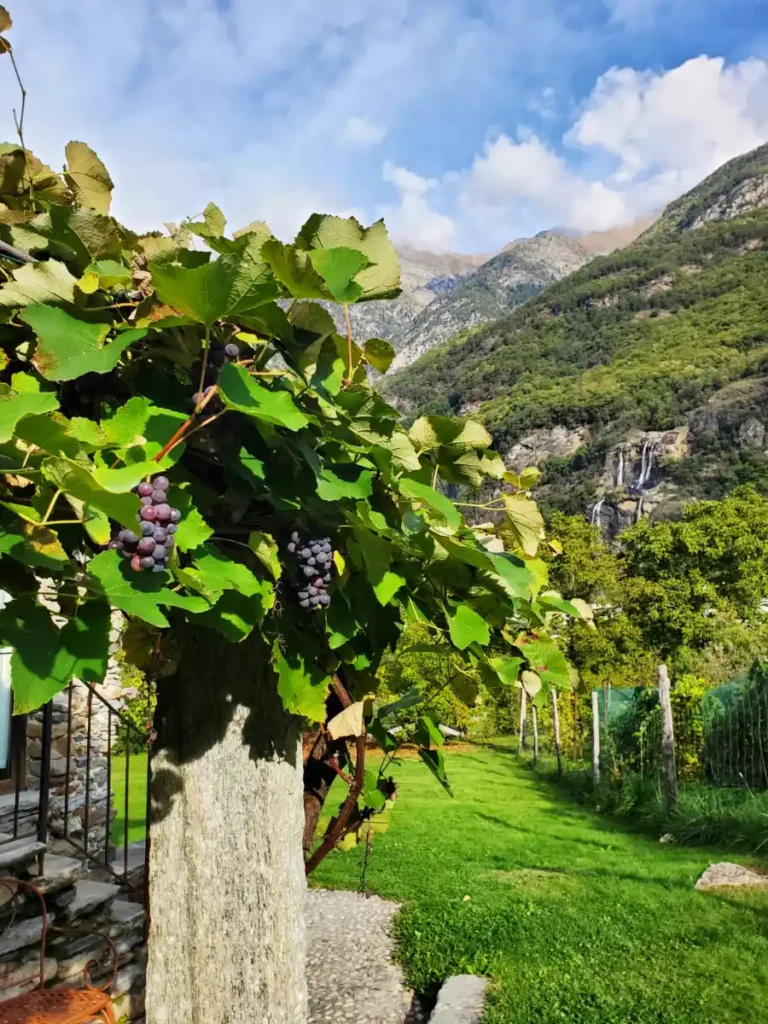
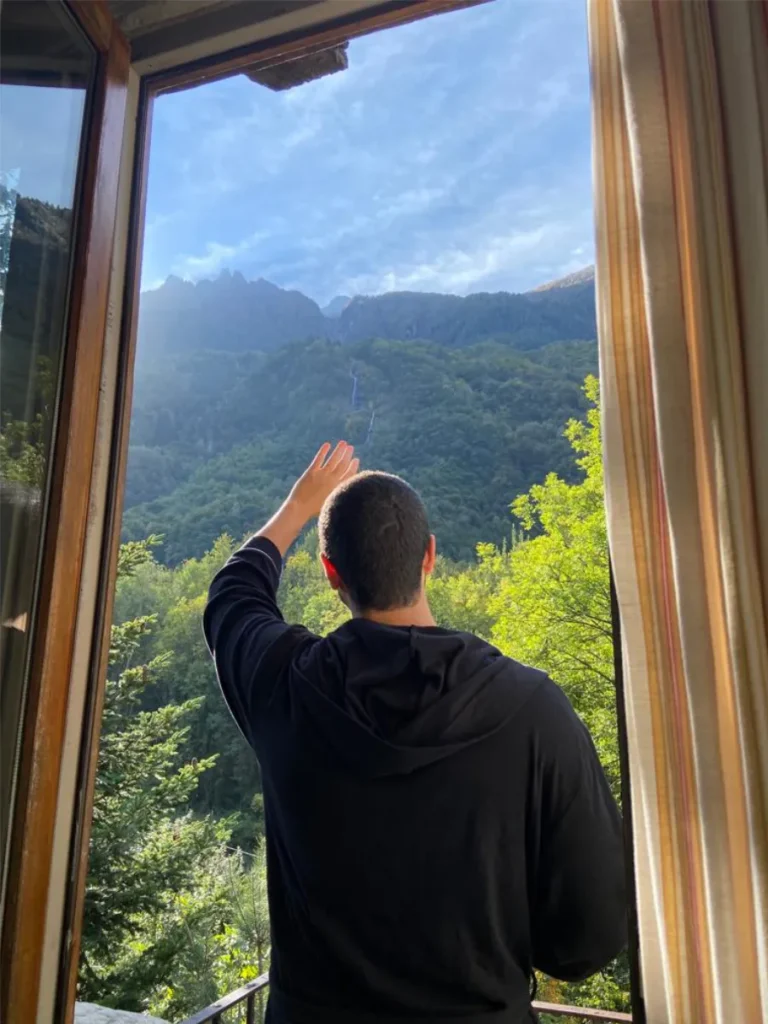
Tim and I stayed in an agriturismo – an Italian farmstay – named Torre Scillano while in Northern Italy. The accommodation was a beautiful hunting cabin surrounded by vineyards and we had the best time drinking espresso in the morning and making bolognese for dinner. We even had some wine made from the grapes grown on the surrounding vineyards.
Make sure to do your research before committing to an accommodation! Go through reputable organizations, read reviews from other travelers, and ask questions before you book.
And don’t forget that you’re staying with someone who is sharing their life with you. Be respectful of their culture, and be open to new experiences.
Tip: Connect with your hosts!
Your hosts are such a good resource for insider tips like must see attractions, hidden gems, and local experiences. Let them know that you’re genuinely interested in their culture. They can provide valuable insights and help you discover the hidden gems of your destination.
We stayed with a lovely family in Rufina, a small town in Tuscany located a short train ride from Florence. Our host Lorenzo introduced us to his friend, a sommelier who picked us up from our accommodation and took us on a wine tasting tour at Tenuta Bossi and taught us about Chianti wine.

2. Guesthouses and Hostels
For travelers looking for a more budget-friendly alternative, social connection, or a mix of both, guesthouses and hostels are a great alternative. Tim and I typically look for guesthouses in big cities like Taipei or Fukuoka since it’s a great way to meet fellow travelers and even some locals.
There are many different options for the types of rooms you can book. Guesthouses offer private rooms and are a great choice for couples and people wanting a more quiet experience. Meanwhile, hostels typically have shared dormitories that are perfect for solo and budget travelers.
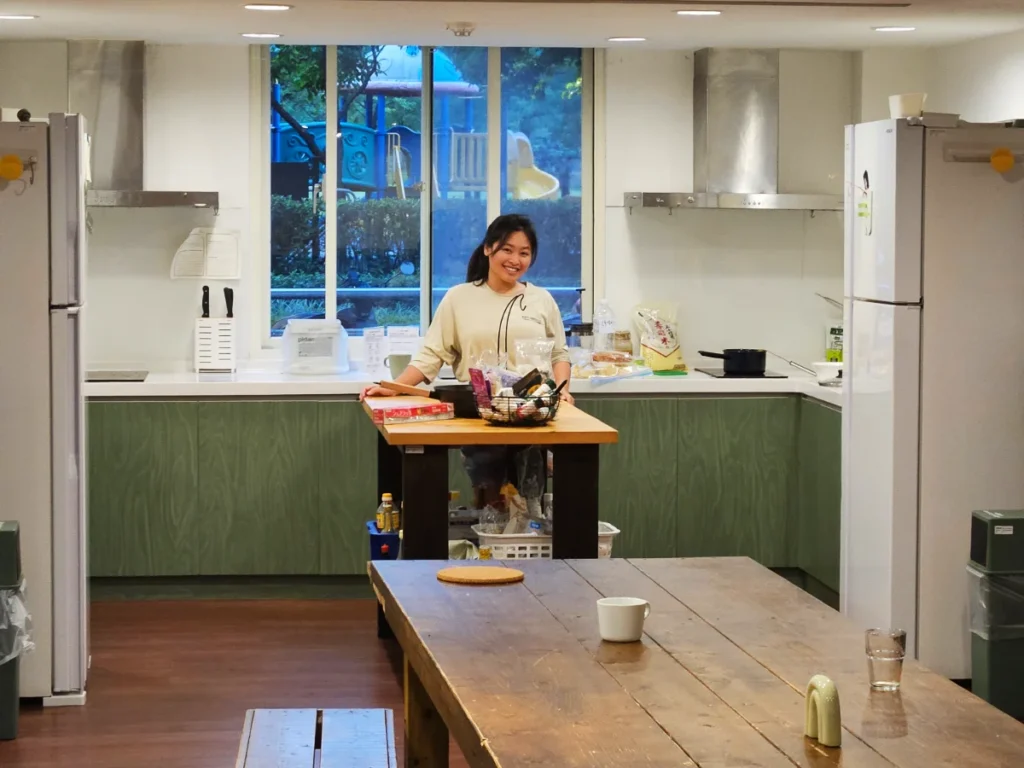
Both types of stays also offer common areas like kitchens and lounge areas where guests have the chance to interact with each other.
Once again, you can start your search by looking up guesthouses or hostels in your destination to find local booking websites. You can also go through platforms like Hostelworld.com, Airbnb, Agoda and Booking.com.
While staying at a hostel in Beppu, Japan, Tim and I met a man from Chicago who was traveling Asia on his bike. He told us of his adventures biking through South Korea and how he boards ferries to go in between countries so he can always bring his bike along with him.
These accommodations are perfect for those embracing the spirit of slow travel, where interactions with fellow travelers and locals are just as valuable as the destination itself.
3. Private Accommodations
If you want to stay local and are looking for a little more privacy, consider booking a private accommodation. You can look for long-term rentals using local real estate agencies, or find them on platforms like Airbnb, VRBO, and even Agoda and Booking.com. Always do your research by reading reviews and verifying listings before booking your stay!
Tim and I were able to stay in Busan, Korea for two weeks and we rented a space close to the subway. We had a blast exploring our area, visiting the local shops and trying out different cafes. We also frequented Bujeon Market, a traditional market located close to our accommodation. It was an amazing place to wander around and see the many vendors selling fresh seafood, produce, and wares. And I can’t count how many stalls selling local food we stopped by to grab a bite.
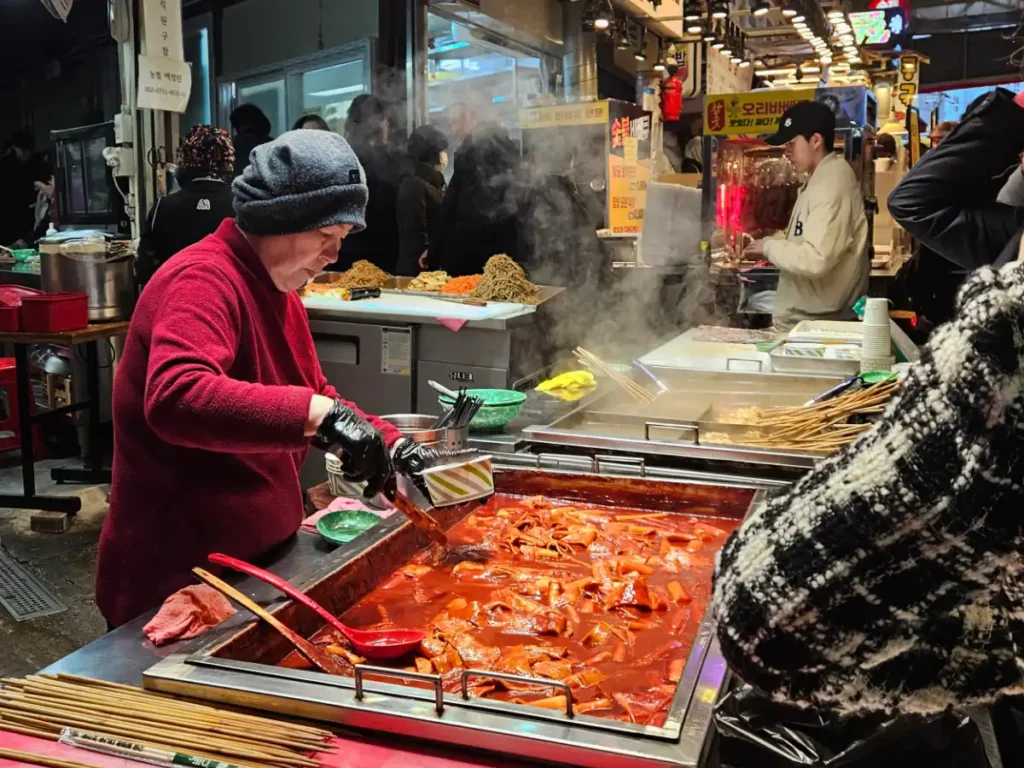
Having your own space allows you to really settle in and give you the feeling of home away from home.
Tip: Try to stay long-term!
For those who are able to commit more time to a destination, long-term local rentals are the way to go. Staying longer allows you to get to know the place better and can be cheaper due to long-term pricing and discounts.
Another cost effective perk about long-term stays is that you’re able to cook, saving you money that would have been otherwise spent eating out. While Tim and I were in Busan, we bought plenty of fresh produce and meats at Bujeon Market and made dinner multiple nights.
4. Work Exchange Programs
Probably the most immersive experience Tim and I have had while slow traveling was participating in a work exchange program.
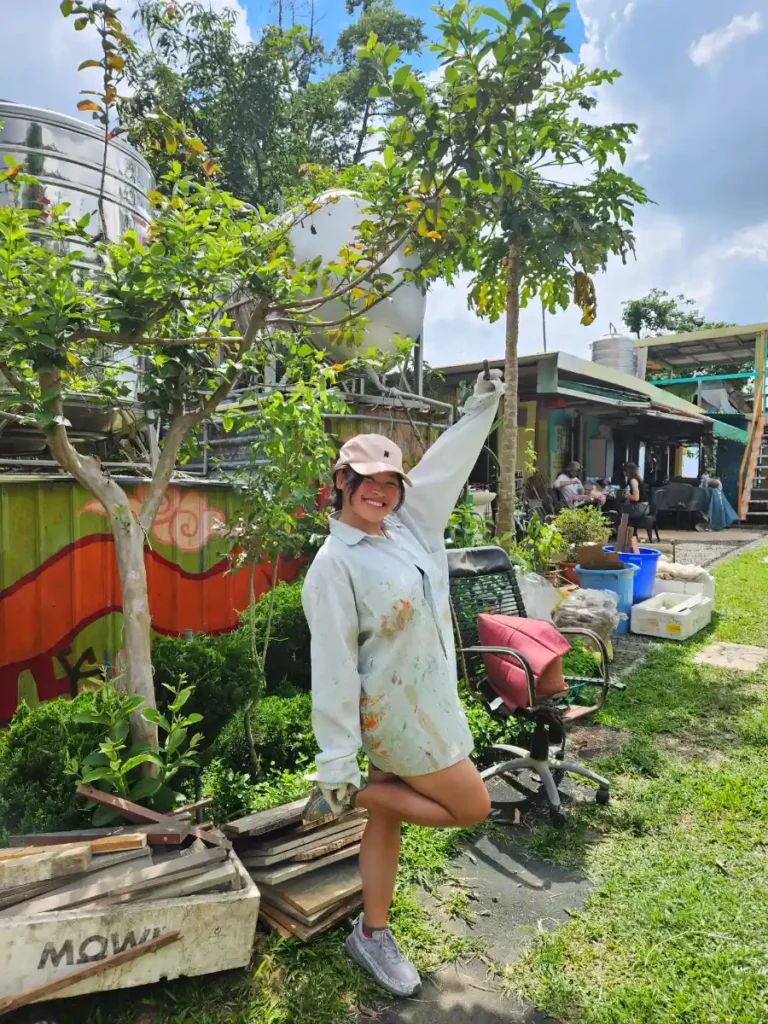
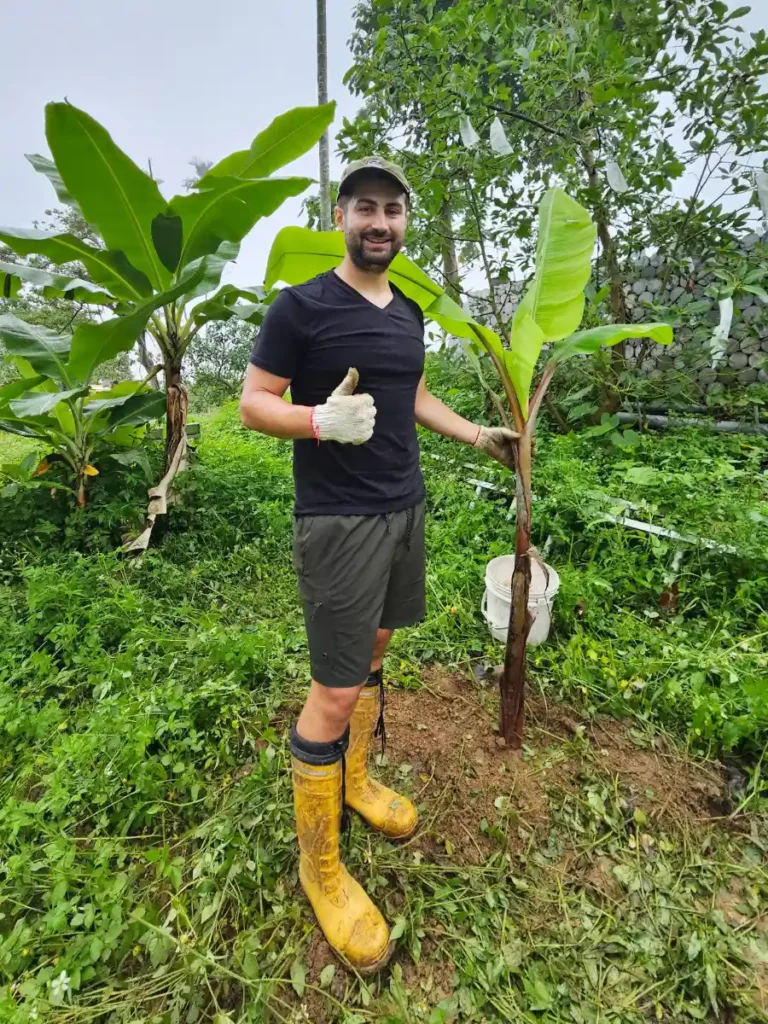
Work exchange programs are very culturally immersive and budget-friendly. These programs connect travelers with hosts around the world who offer free accommodation and often include meals in exchange for a few hours of help each day. You’ll have the rest of the day for whatever you want to do, like exploring the area.
There are plenty of programs you can help with: animal sanctuaries in Thailand, hostel reception at a ski resort in Japan, organic farming in France, and teaching English to children in Costa Rica. There’s plenty of opportunities that can fit your unique set of skills. And there’s plenty of opportunities to learn something new.
While in Taiwan, Tim and I stayed with Steve and helped at his farm in the mountains of Chiayi. We trimmed and planted trees, and harvested fruits like bananas, mangoes, and papayas. At the end of each day we would share a meal and exchange stories. We also met Steve’s friends who always introduced us to new local foods. We are so grateful to Steve for sharing his culture with us and for teaching us the art of Taiwanese tea ceremony.
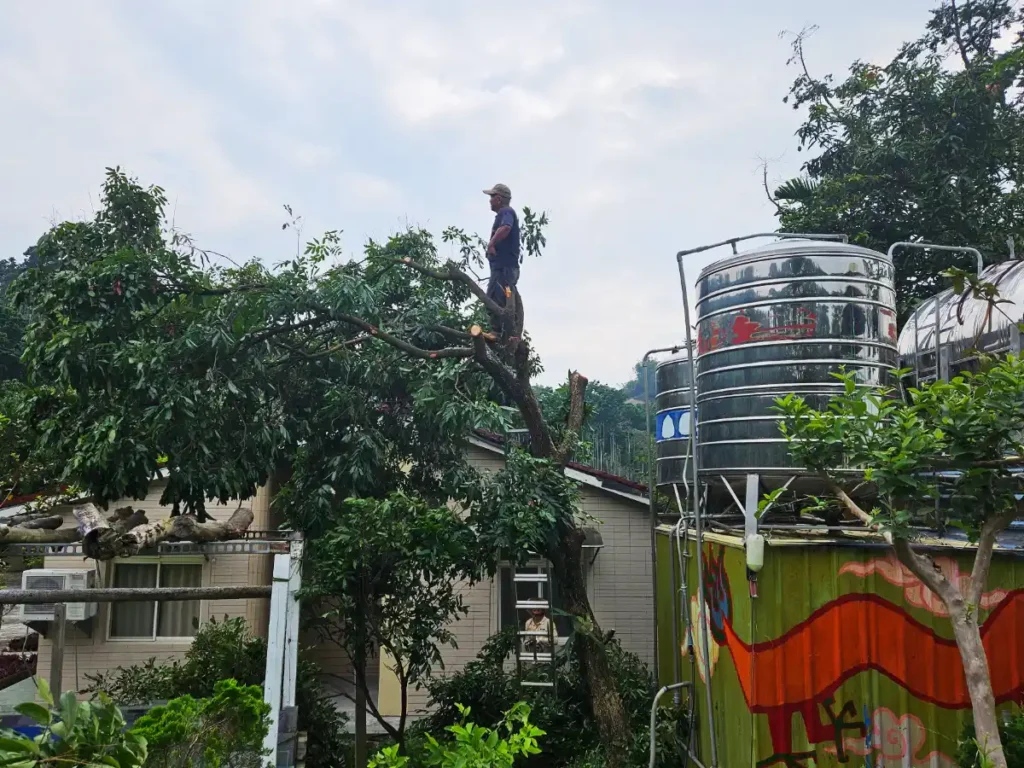
You can find work exchange opportunities in platforms like WWOOF (World Wide Opportunities on Organic Farms), Worldpackers, and Workaway. Do note that you’ll have to pay a membership fee for the platform before you can talk to the hosts.
Make sure to do your research before committing to a program. Read host reviews carefully and understand what the hours and responsibilities are, as well as what’s included (accommodation, meals, free time). And never hesitate to ask your questions and communicate with your host.
Tip: Be flexible!
You’re going into a new environment and immersing yourself in a different culture so there’s bound to be unique and unexpected situations that come up. Be open to the new experiences and embrace each learning opportunity as they come.
5. Ecolodges
Ecolodges are a great choice for travelers who are looking for more sustainable options. You’ll be surprised about how beautiful they can be. These accommodations are typically located in beautiful natural areas and surrounded by nature. Think bungalows on a hill and treehouse stays deep in the forest.
And beauty is not the main reason to book eco stays. These local stays have sustainable practices like using renewable energy, reducing water and waste, and supporting local communities.
Search for ecolodges or sustainable stays for your destination online for local booking websites. There are also some platforms like Ecobnb and Green Pearls where you can find great eco-friendly accommodations worldwide.
Before booking, do your research to see if the accommodation you want to book aligns with your sustainability goals.
Conclusion
You have more options than the usual hotel or motel. When you stay local, you get to really immerse yourself in your slow travels. You have the chance to know more about your destination and make new connections with the locals and fellow travelers.
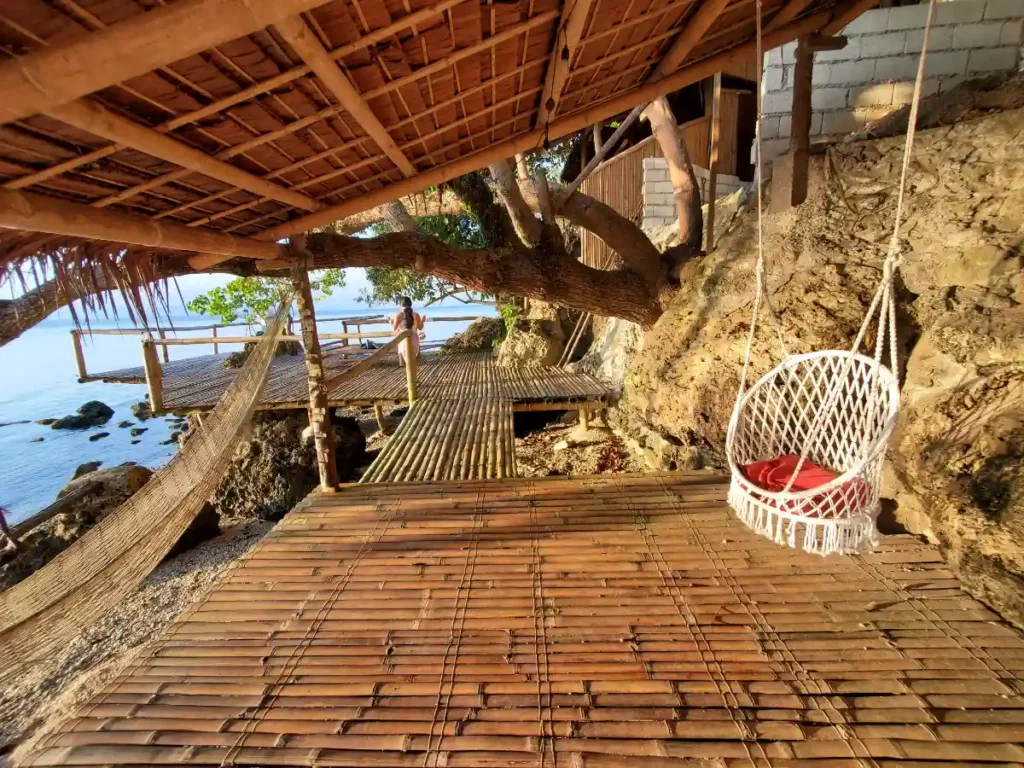
And by choosing homestays, ecolodges, local rentals, or participating in work exchange programs, you can also contribute to the local economy and support sustainable tourism.
So branch out and choose an accommodation that matches your travel style. And please share your own experiences and tips for finding local stays in the comments below!
Planning your next trip but don’t know where to start?
Join our newsletter to get our free Slow Travel Toolkit!
It includes our essential pre-departure checklist, a budget guide and tracker, and the packing list we used for 15 months of travel.


Leave a Reply