
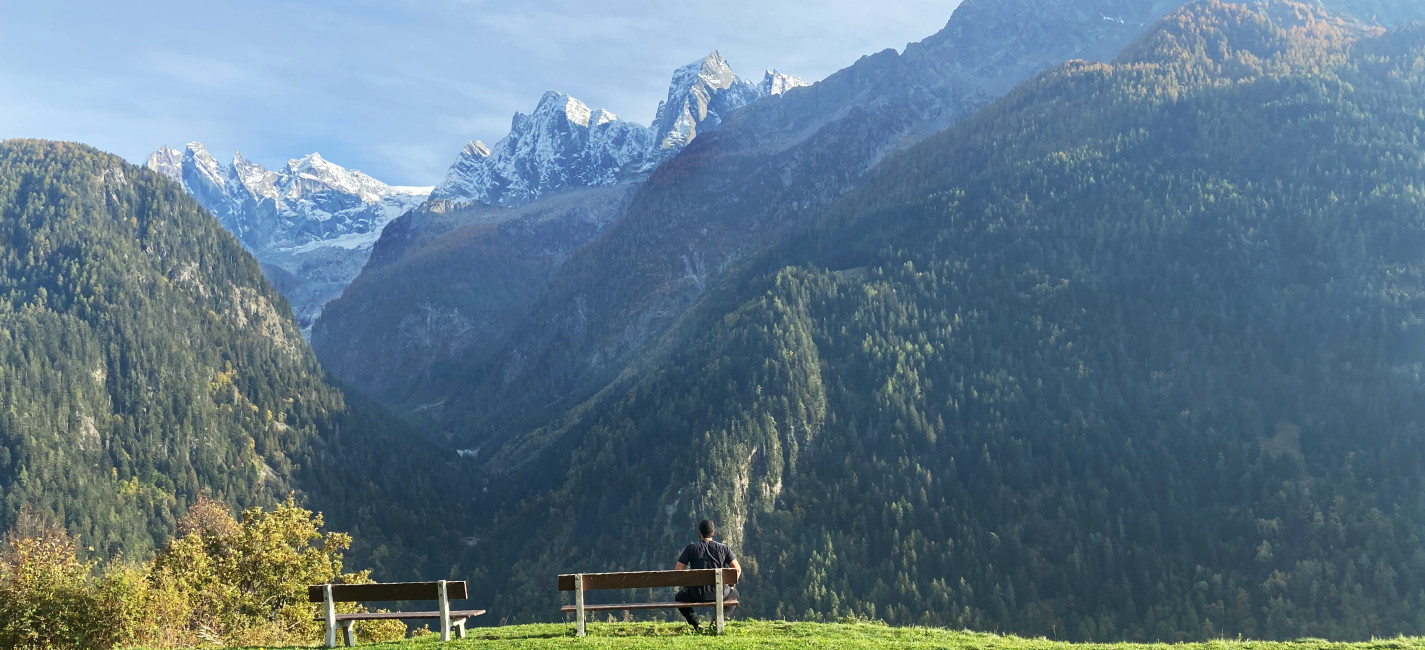
I know you love to travel. The question is, what kind of traveler are you? Is ticking off every bucket list item what you’re after or do you prefer to savor the journey itself?
Growing up, I always dreamt of traveling to far away places and exploring the world. I made a list of all the places I had to visit before turning 30 and organized each location based on the most efficient way to see them all.
But in that rush to see the world, I started to feel that I never truly experienced each destination. Sure, I was able to eat at an Instagram-famous restaurant, but what about where the locals loved to go after a long day of work? What hidden gem did I miss while everyone in my tour lined up for their turn to take photos?
That’s when I started exploring the concept of slow travel, and it totally changed my perspective.
In this article, let’s talk about slow travel vs fast travel, and let’s figure out which style truly speaks to you and best fits your adventurous spirit.
Table of Contents
What is Fast Travel?
Fast travel is all about seeing and doing as much as possible in a short amount of time. Think whirlwind tours, hopping from city to city, and checking off those must-see landmarks.
“It’s very exciting – you’re constantly moving, discovering new places and experiencing a whirlwind of adventures.”
In 2024, Tim and I had the opportunity to spend one day in Verona, Italy and we were on a mission to experience the city’s highlights in a single day. We ticked off all the must-sees: marveled at the Arena di Verona, braved the crowds at Casa di Giulietta, crossed the picturesque Ponte Pietra bridge, and finished our day with a rewarding hike up Castel San Pietro for breathtaking city views. To truly savor Verona, we even indulged in five meals in just that one day.
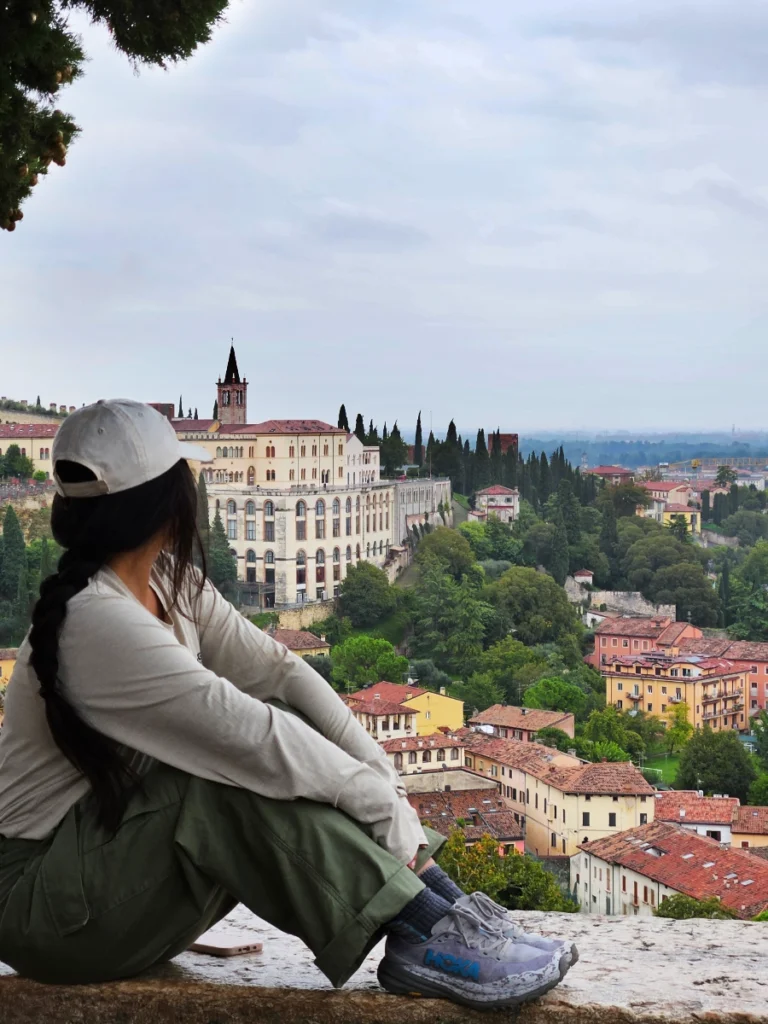
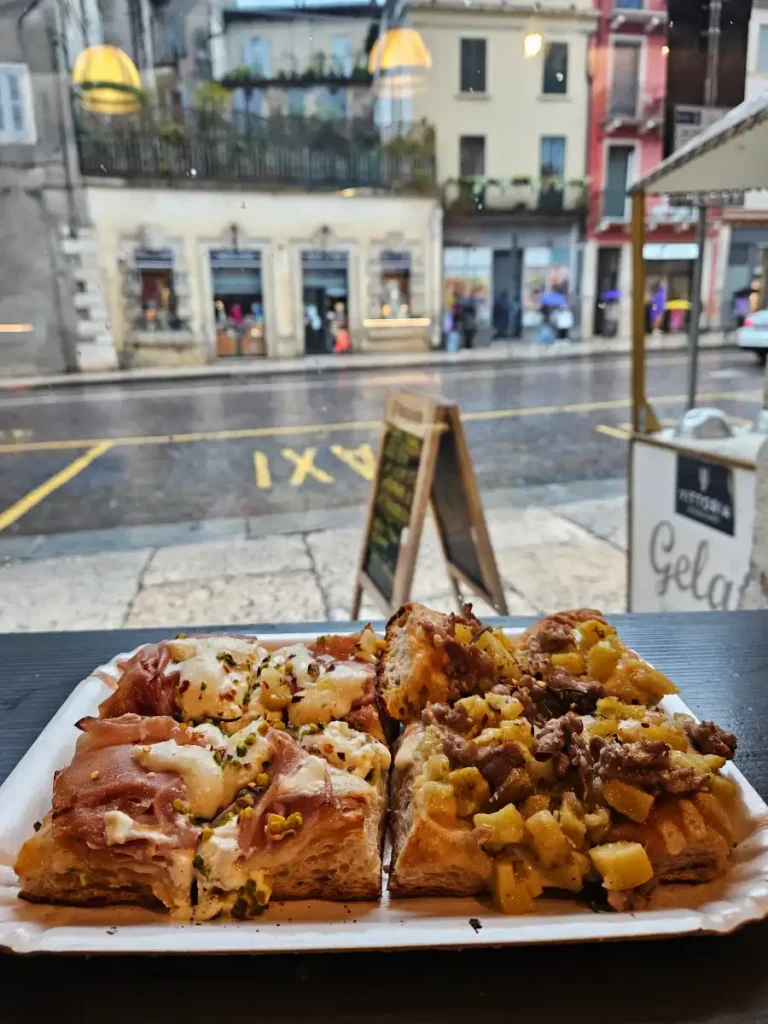
Fast travel itineraries are typically jam-packed with activities and often involve flights, train journeys, or bus rides to get to the next location quickly. The focus is on visiting popular tourist attractions and checking off the must-see sights.
One of the biggest perks of fast travel is that you get to see a lot of different places in a short time. According to Carl Friedrik, “The average American takes only 8 days to travel on vacation per year, limiting the capacity for slow travel.”
So fast travel is perfect if you have limited vacation days and are eager to explore as much as possible.
It’s also very exciting – you’re constantly moving, discovering new places and experiencing a whirlwind of adventures. Plus, it’s a great way to sample different cultures and figure out which places you absolutely want to return to and explore more deeply.
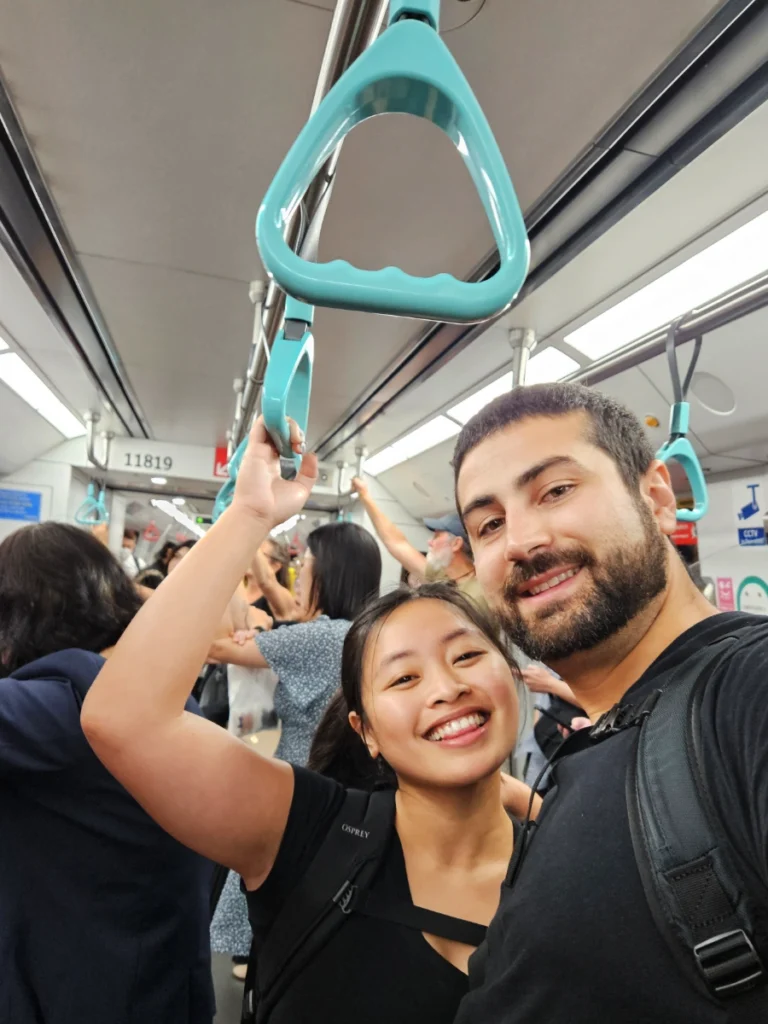
But, this kind of travel can be exhausting. You’re constantly on the go and juggling all the logistics. There might not be time to truly relax and soak things in.
And because you’re moving so fast, you might not have the chance to really connect with the local culture. You might eat at a restaurant you found on Instagram, but you probably won’t have time to chat with the locals or discover hidden gems off the beaten path.
Plus, all that moving around from place to place can take a toll on the environment.
The time Tim and I spent in Verona was fantastic! But it was very tiring as well. We took pictures of beautiful plazas, but I wish we had the time to stroll through the shops, enjoy a cup of coffee, and soak in the vibrant atmosphere.
What is Slow Travel?
Now let’s talk about slow travel. Slow travel is all about taking your time, connecting with the local community, and enjoying the atmosphere of the place.
“Slow tourism is characterized by reducing mobility and by taking time to explore local history and culture, while supporting the environment. The traveller’s main goals are relaxation, self-reflection, escape, novelty seeking, engagement and discovery.” – Journal of Travel Research
Tim and I stayed in a hunting cabin surrounded by vineyards for a week in Piuro, Italy. We spent our days hiking to waterfalls, shopping for groceries in broken Italian (the locals were incredibly patient and helpful!), and cooking ragù bolognese using an authentic recipe. Our evenings were spent enjoying bottles of wine that our host made from the grapes grown on the surrounding vineyards.
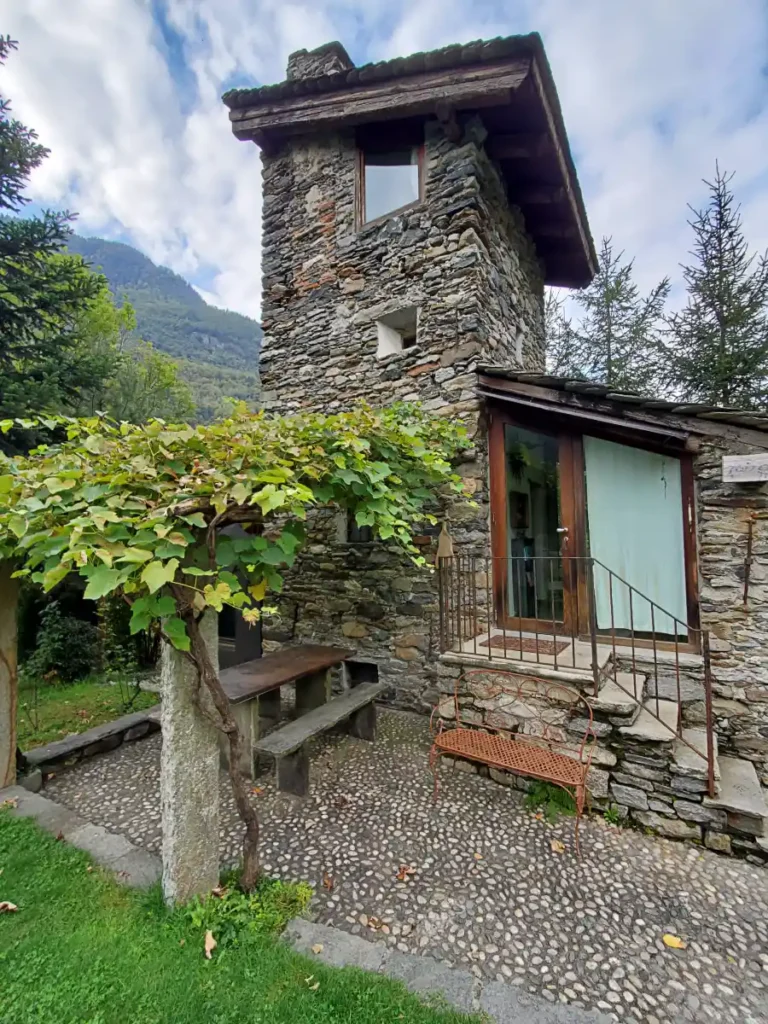
Instead of taking the train from one city to the next in just seven days, with slow travel you might spend a week or two in a single city.
This gives you the chance to uncover hidden gems, chat with the locals, and really experience the everyday life of the city. It might mean staying in locally-owned accommodations, using public transportation, eating at local restaurants, and maybe even participating in local festivities (if you’re lucky!).
In January 2025, Tim and I were lucky enough to be in the Philippines when the 2025 Sinulog Festival in Cebu, Philippines, was being held. Even though I’m Filipina, I never had the chance to attend this celebration before.
We first visited the Basilica del Santo Niño to offer our respects to the religious significance of the festival. Then we embraced the cultural side and joined the crowd of thousands lining the streets to watch the grand parade with its elaborate floats, colorful costumes, and amazing street dances. We even had paint smeared on our faces by people passing us by, just as they had paint smeared on theirs.
As night came, the city turned into a massive street party, and we danced until morning to the beat of the Filipino music. It was an amazing experience to immerse ourselves in the sights, sounds, and spirit of Sinulog.
“You might not get to see as many different places, but the experiences you do have will be much more meaningful.”
One of the biggest benefits of slow travel is that it’s less stressful. You have time to relax and explore at your own pace. You can still plan to see all the highlights in your city without having to cram it in a short period of time.
Plus, because you’re staying in one place longer, you tend to spend less money on transportation. You’re more likely to use public transport, walk, or bike, which is not only cheaper but also better for the environment.
Of course, there’s a catch to this kind of travel. It takes more time and flexibility. You’re not going to see as many places in a short amount of time.
Slow Travel vs Fast Travel Differences
The biggest difference? Pace. Fast travel feels like a race to see more and do more, while slow travel is more relaxed.
With fast travel, you’re hitting the main sights, snapping amazing photos, and then rushing off to the next place. Slow travel, on the other hand, allows you to live in the moment. You can wander down hidden alleyways, chat with the locals at the market, and truly get a feel for the place.
Budget is another thing to consider. Fast travel may seem cheaper because you’re squeezing more activities into each day. But if you’re spending two weeks going from city to city, flights and train tickets can add up.
Slow travel can often be more budget-friendly. If the same two weeks were spent in one or two locations, you can save money by staying in local accommodations, cooking your own meals, and using public transportation. And some accommodations offer deals and discounts for longer stays.
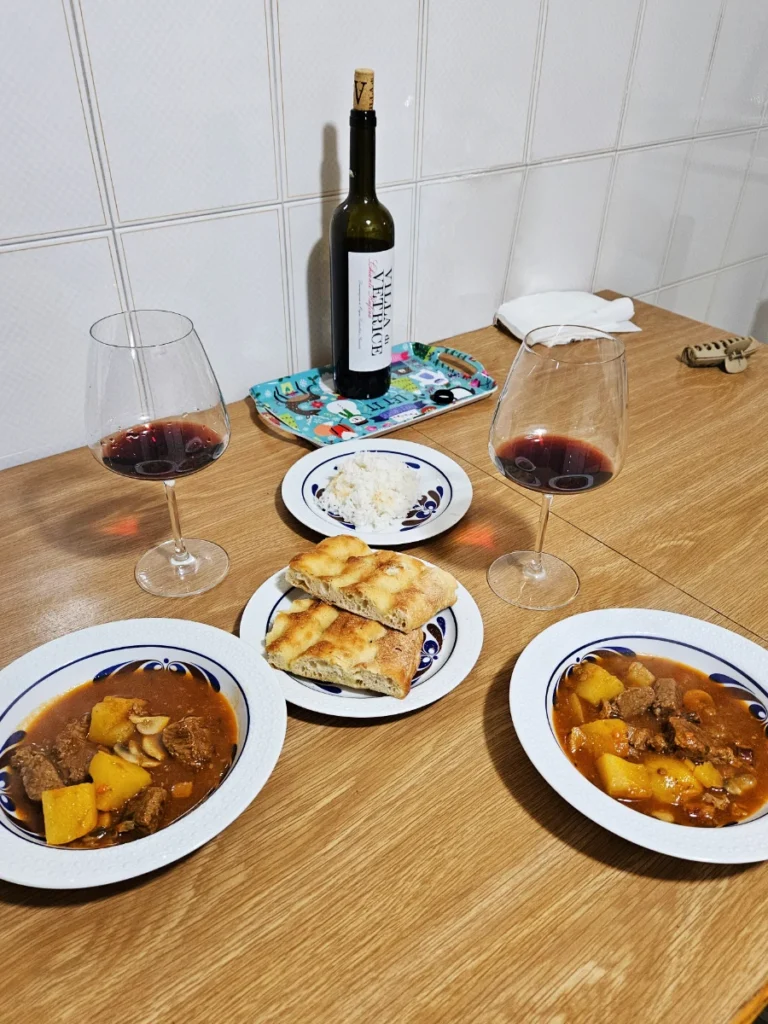
Another difference is in environmental impact. The constant movement in fast travel has a more significant carbon footprint compared to slow travel. With slow travel, you can be more sustainable by using less transportation, supporting local businesses, and staying in local accommodations.
Then there’s the personal connection. With fast travel, you get to check off a lot of things from your bucket list and come back with a lot of photos. But with slow travel, you come back with deeper connections and a new understanding of the world. It’s a completely different way of experiencing travel.
Finally, there’s the stress level. Fast travel can be incredibly stressful. You’re constantly worried about schedules and logistics. Slow travel is more relaxed and allows you to truly unwind and enjoy your exploration.
Benefits of Slow Travel
Slow travel is its own unique kind of adventure and offers its own benefits. Because you’re diving deep into a new culture, you get to encounter experiences that you might not be used to. You learn so much about yourself, your resilience, and your ability to handle whatever comes your way.
For me, slow travel has really helped my personal growth. It pushed me outside of my comfort zone, forced me to adapt to new situations, and helped me see the world from a different perspective.
Connecting with the locals is also a huge part of slow travel. When you have more time to explore, you get to build real relationships with the people you meet, learn about their lives, and truly experience their culture firsthand. The language barrier can be intimidating, but everyone I’ve encountered has been incredibly patient and understanding.
Plus, slow travel is more sustainable and responsible. You’re supporting local businesses, reducing your carbon footprint, and contributing to the local economy in a positive way.
Finding the Right Balance
Now, I get it. Not everyone can drop everything and travel for months on end. Travel is a great privilege, and being able to dedicate so much time to just a few locations is an even bigger one.
Most of us are juggling work, family, and other commitments. So, if you only have a week or two of vacation time, don’t worry! You don’t have to choose strictly between fast or slow travel. It’s all about finding the balance between seeing as much as possible and actually enjoying the experience.
I am still a big fan of checking off my bucket list items, but Tim doesn’t prefer the whirlwind experience. So on our travels we compromise by trading off travel styles. One day we will relax and wander, the next day we will do a fully packed tour.
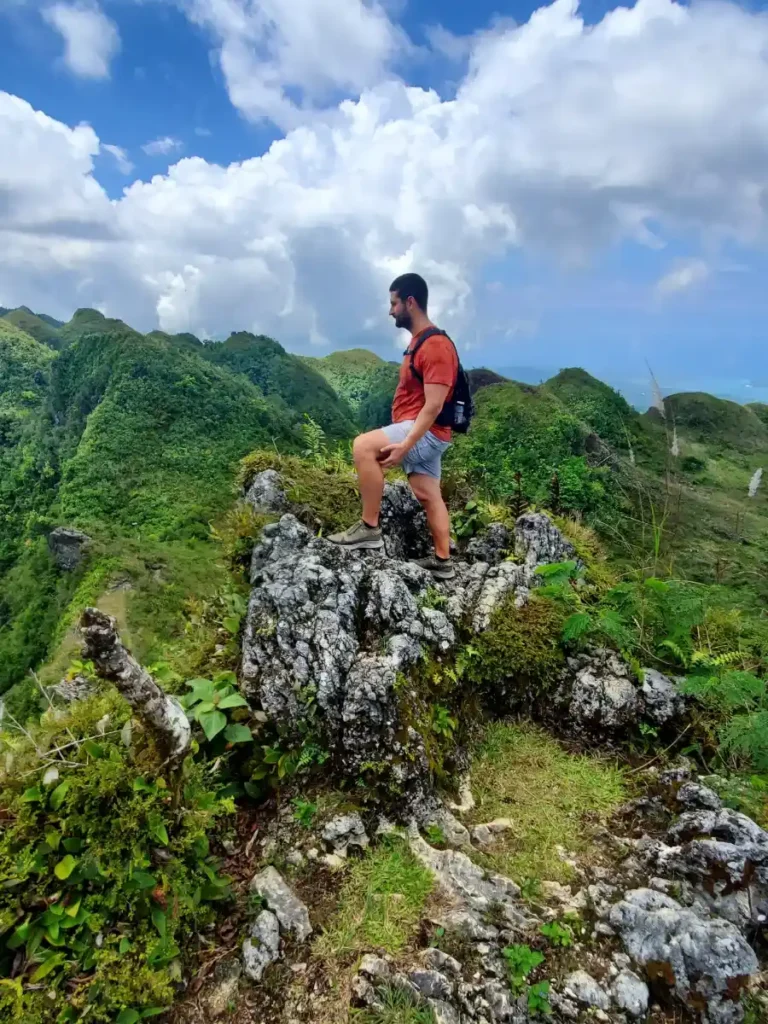
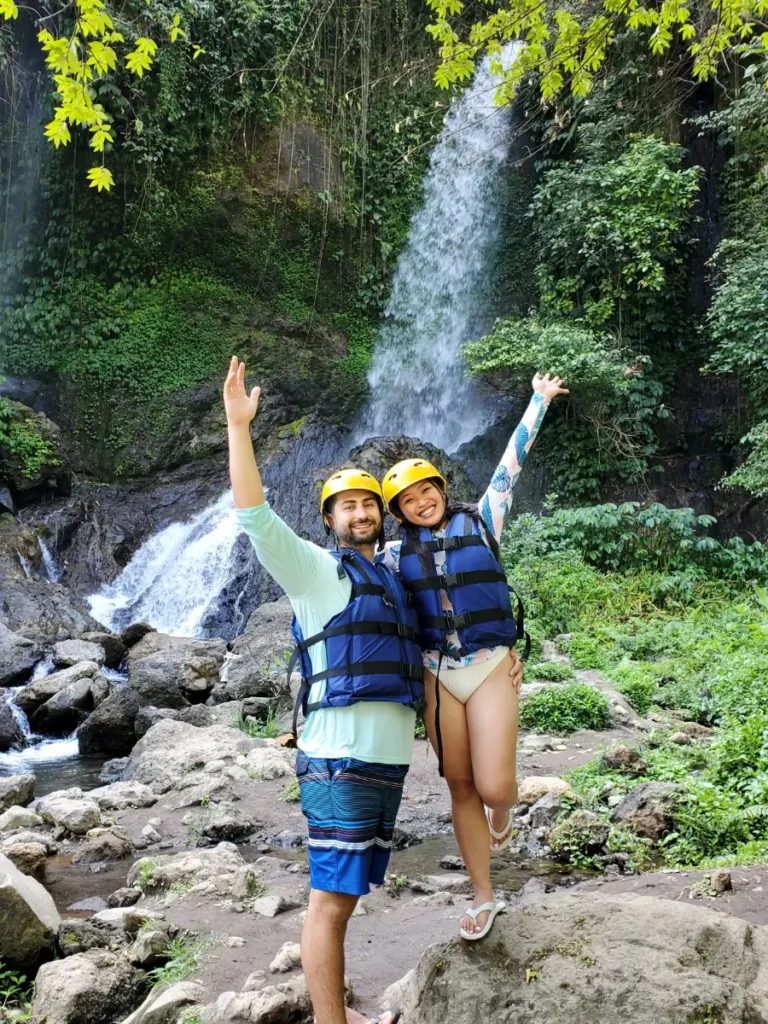
- Choose a region: Maybe you spend a few days really soaking up the atmosphere in one city, and then hop on a quick flight to another cool place. Or maybe you choose one region to explore in depth instead of trying to see the whole country.
- Prioritize local connections: Even on a shorter trip, you can still make an effort to connect with the locals, grab a bite at a local restaurant, and ditch the taxis for the bus or train.
- Quality over quantity: Instead of trying to see every museum in a city, choose one or two that really interest you and spend more time there. Instead of rushing through a famous market, take your time to browse the stalls, chat with the vendors, and try some local food. It’s about finding ways to slow down, even when you’re on a tight schedule.
The point is, you don’t have to choose one or the other. You can find a balance that works for you and your travel style.
Conclusion
So, slow travel versus fast travel – there’s no right or wrong! It’s about finding what works best for you. Maybe you’re on a tight schedule and need to see a lot in a short time. Totally understandable! Or maybe you’re staying in one place for a week to soak up the atmosphere and connect with the local people. That’s awesome too!
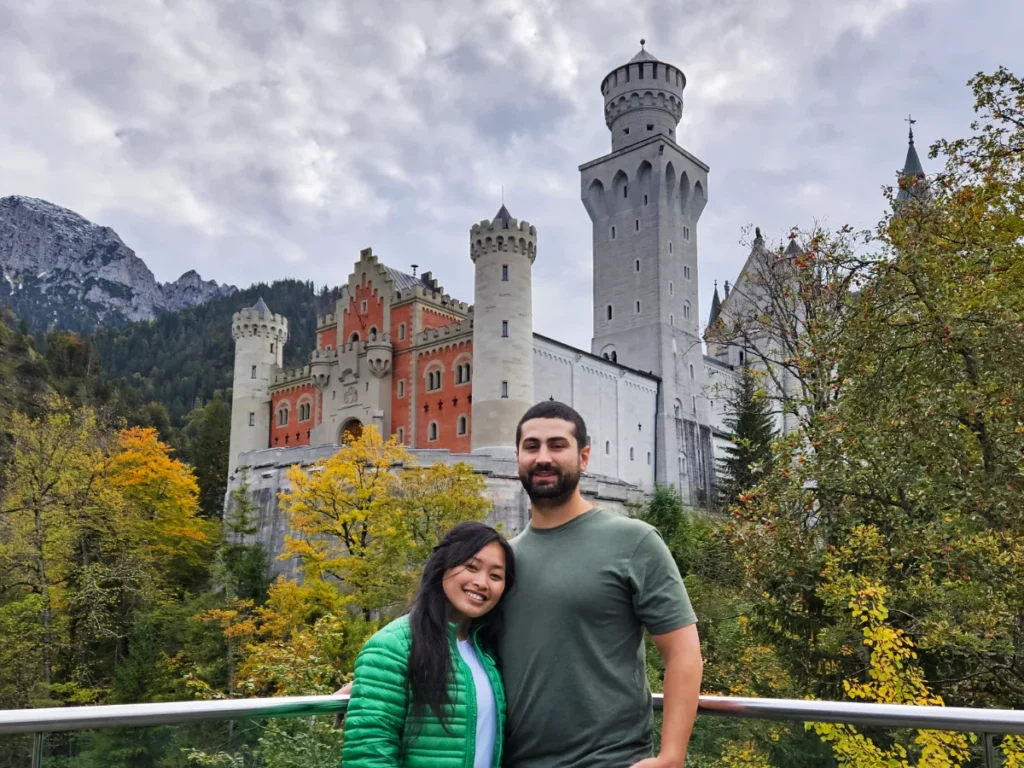
Whether you choose to travel slowly, quickly, or a bit of both, the best travel style is the one that brings you the most joy. Travel is about the adventures you have, the people you meet, and the memories you create. Embrace your journey and make the most of it!
Planning your next trip but don’t know where to start?
Join our newsletter to get our free Slow Travel Toolkit!
It includes our essential pre-departure checklist, a budget guide and tracker, and the packing list we used for 15 months of travel.
What is the one city you would love to spend a whole month in? We’d love to hear your thoughts and experiences in the comments below!


Leave a Reply