
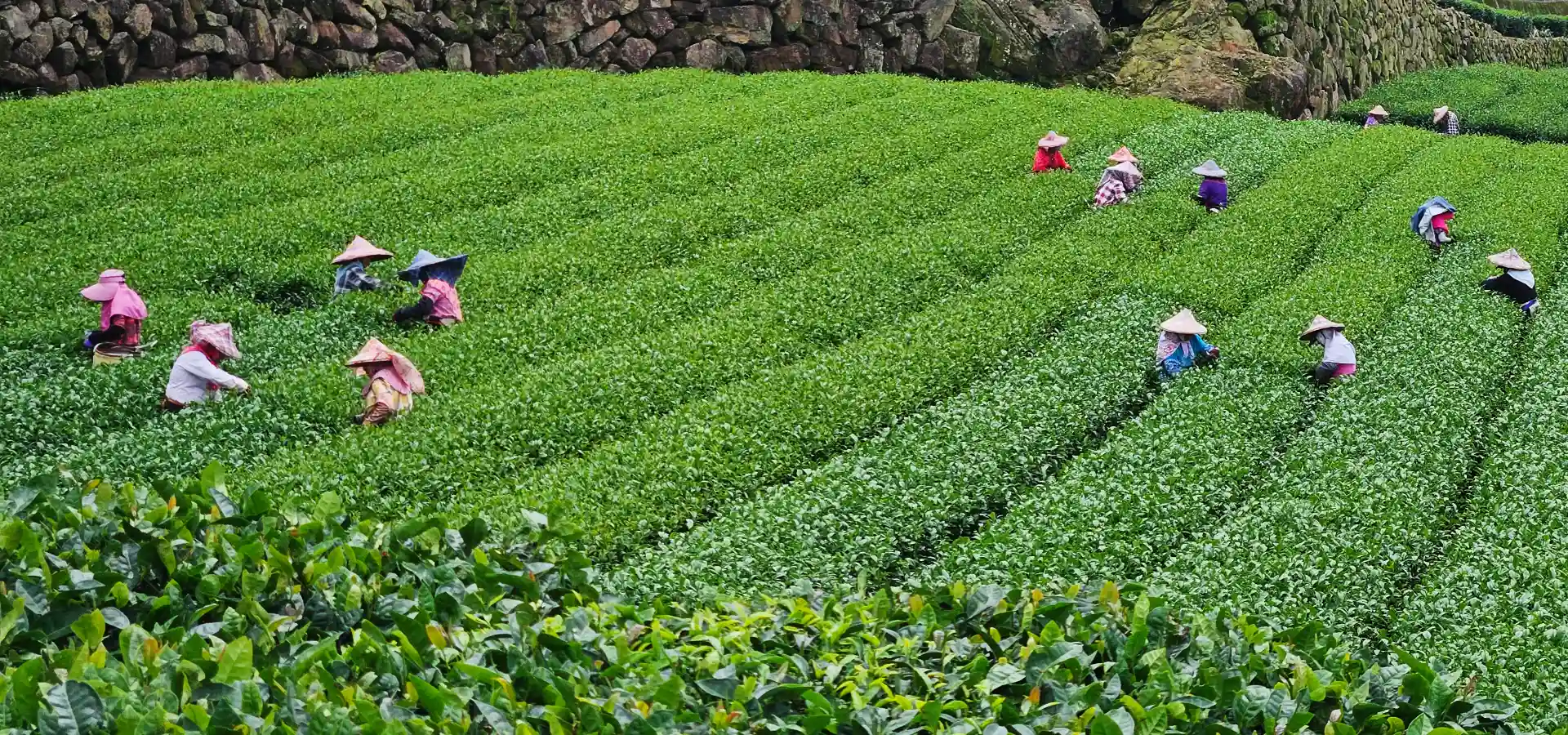
Exploring Taipei is a dream. There are so many fun things to do, amazing food to eat, and efficient public transportation to get you where you want to go. After a month of wandering the streets of the capital and frequenting as many night markets as we could, we decided it was time to embrace slow travel in Taiwan and see what else the country has to offer.
Enter Chiayi.
You might be wondering, “Why Chiayi?” It’s not a common destination that tourists know about. Probably the closest association to it would be as the starting point for an Alishan visit.
We chose Chiayi because we found an opportunity for a Taiwan farm stay there through Workaway. Specifically, volunteering to help a local farmer for a week.
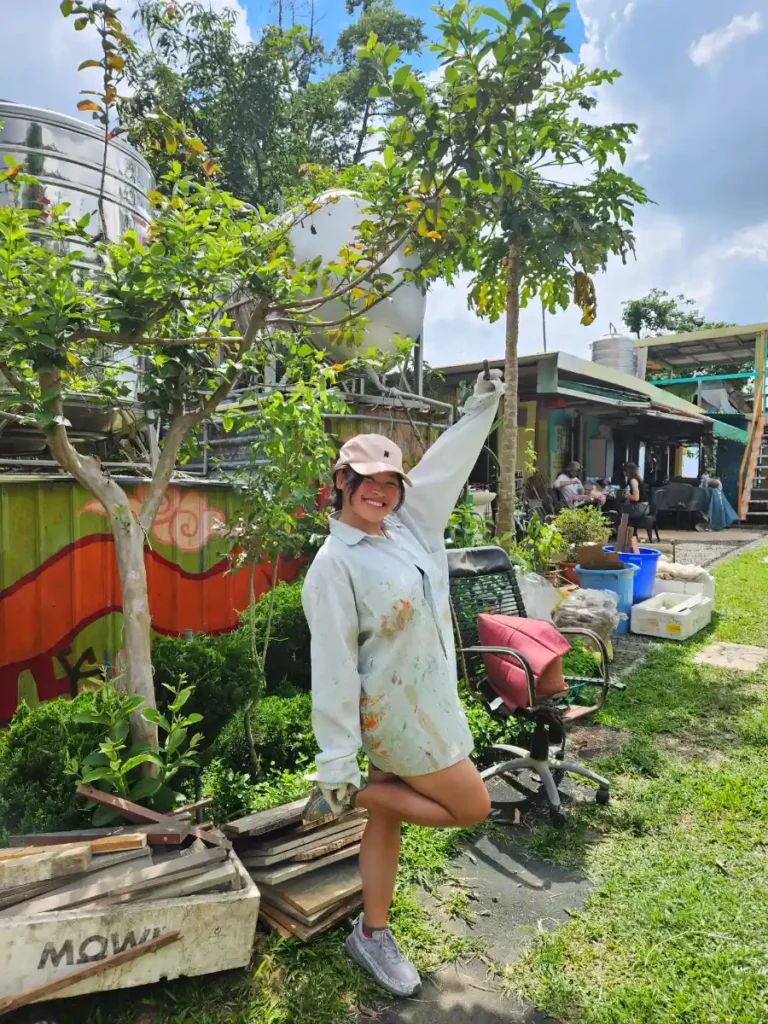
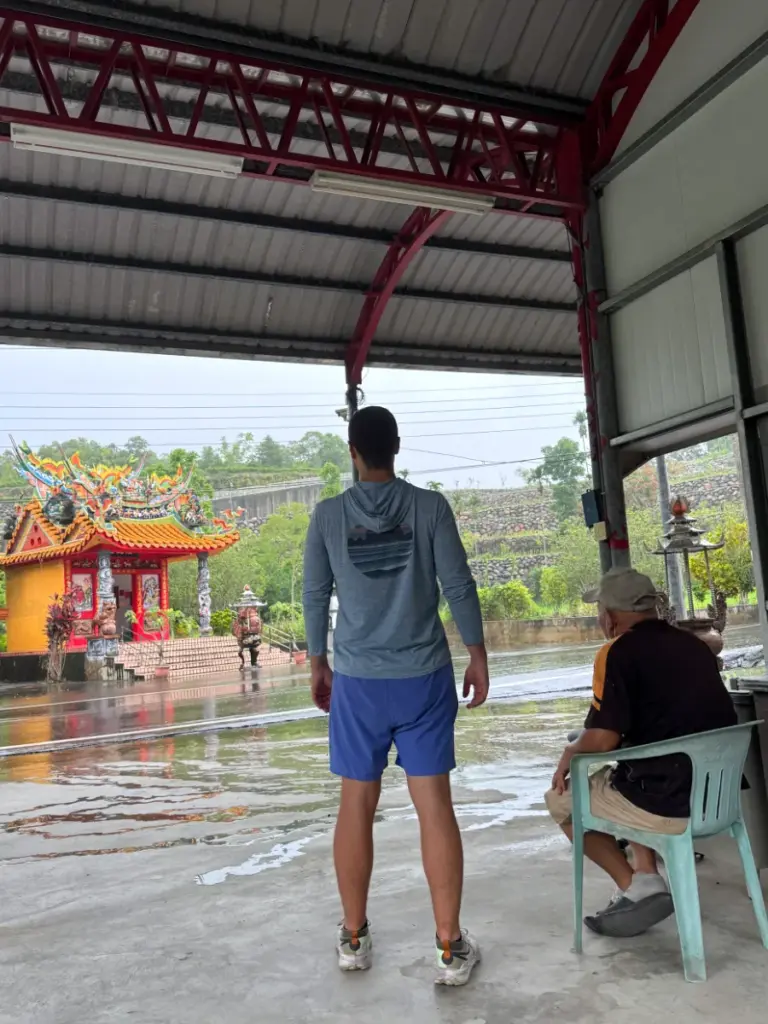
It was an exciting concept. I’ve never done farm work, and I’ve heard a lot of great things about Taiwan’s tea culture (but hadn’t partaken other than with a cup of milk tea). Best of all, we would get to spend a lot of time with a local in Taiwan.
Well, that one week we had planned turned into three weeks without us even noticing.
Table of Contents
What is Workaway?
So first and foremost. What is Workaway?
Workaway is a cultural exchange program (one of many, in fact) that connects travelers with hosts around the world who offer free accommodation (and often meals) in exchange for a few hours of help each day. It’s one of our favorite ways to stay local, instead of staying in chain hotels.
When we found Steve’s profile, we were immediately intrigued by the idea of a Workaway experience in Taiwan. We wanted to see what everyday life was like for a local. So we took our time to understand the hours and responsibilities and read other people’s reviews to see if it would be a good fit for us.
A week before we were set to arrive, we got on a video call with Steve to iron everything out.
From City to Countryside
On a sunny day, we boarded an 8 AM train from Taipei station to Chiayi. There are actually different trains you can take:
- Taiwan High Speed Rail (HSR): This is super fast and convenient, taking a little over an hour. However, it stops at the Chiayi HSR station, meaning we would have to transfer to another train or take a bus to get closer to Steve’s shop. If you prefer this faster option, you can actually get your tickets online for a discount.
- Taiwan Railway (TRA): We chose this regular train. The travel did take 4 hours (much longer than the HSR), but taking the local TRA train was cheaper AND we didn’t have to make transfers.
Plus, Steve’s tea shop was only a five-minute walk from the local station.
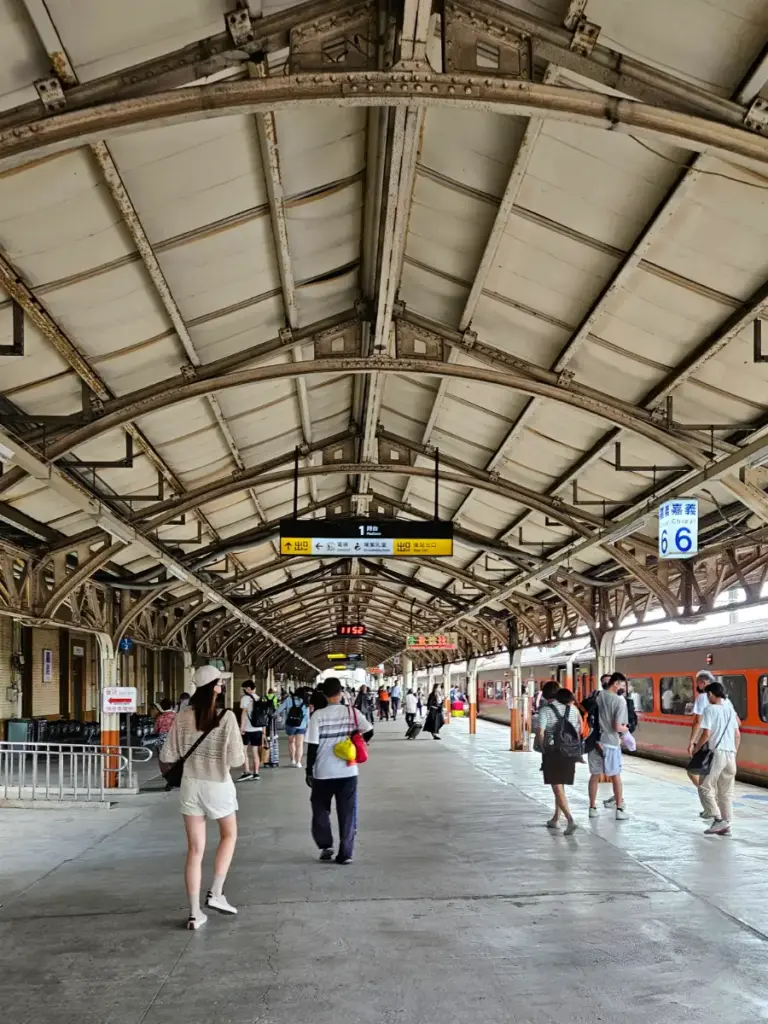
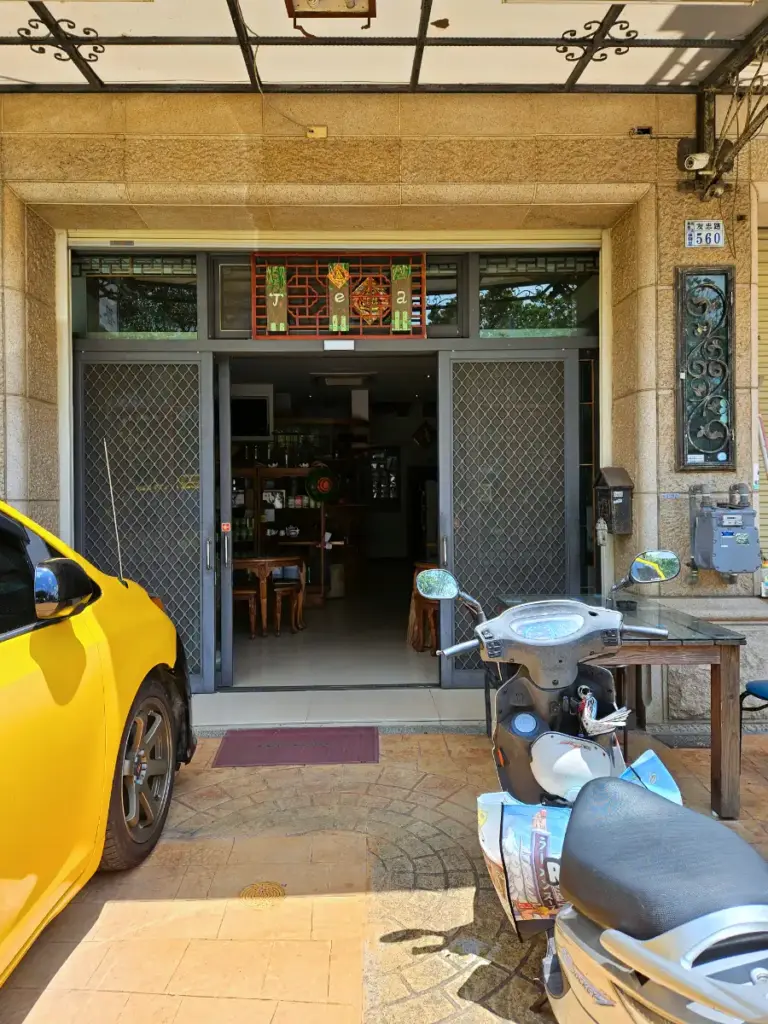
We called Steve to let him know we made it, and he met us at the train station with his scooter. We ended up walking behind him as he slowly scooted ahead of us to show us the way to his shop.
Daily Life: From the Tea Shop to the Farm
Mornings at the Tea Shop
Let me take you through a typical day. We wake up to the sound of cars from outside the window.
It’s May in Taiwan. The days are hot and incredibly humid, so lightweight, moisture-wicking clothes were an absolute must. The nights are cooler than the days but still hot. There is no air conditioning at the tea shop, but we had a fan that we kept pointed at us at all times to keep us cool.
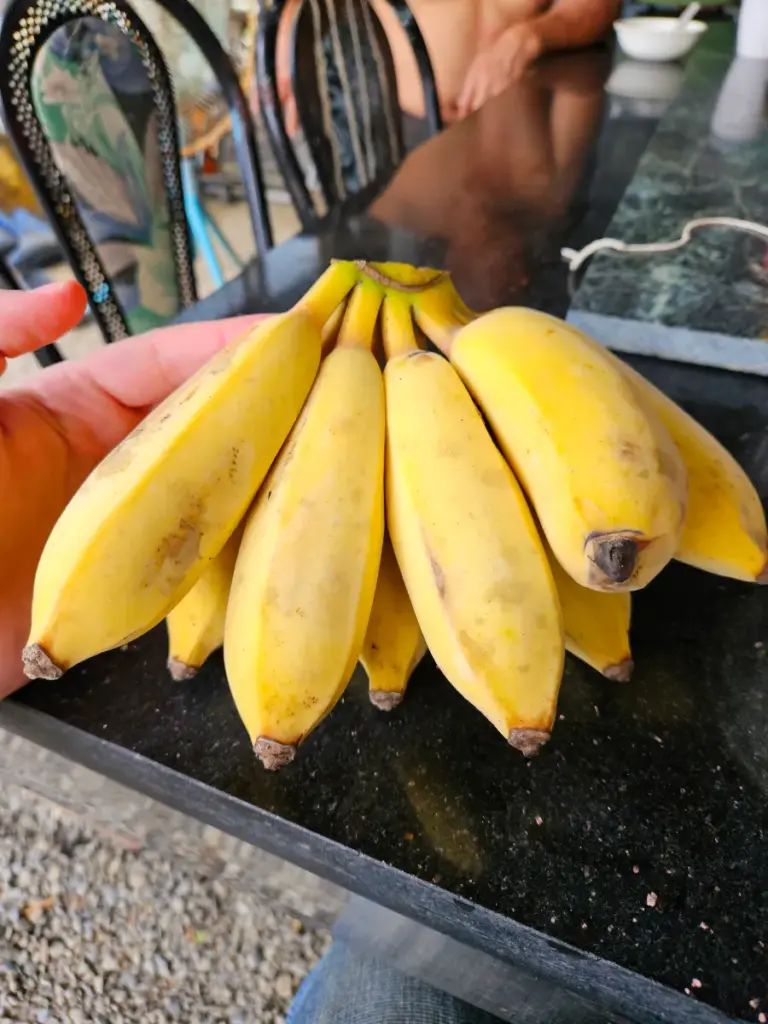
After getting dressed (and lathering on sunscreen and bug repellent), we head down to the first floor where the tea shop is located. Steve is downstairs enjoying a pot of tea with his friends, and we say hello. Most of the time we join them for a cup of tea and whatever fresh fruit is available (usually bananas which we helped harvest).
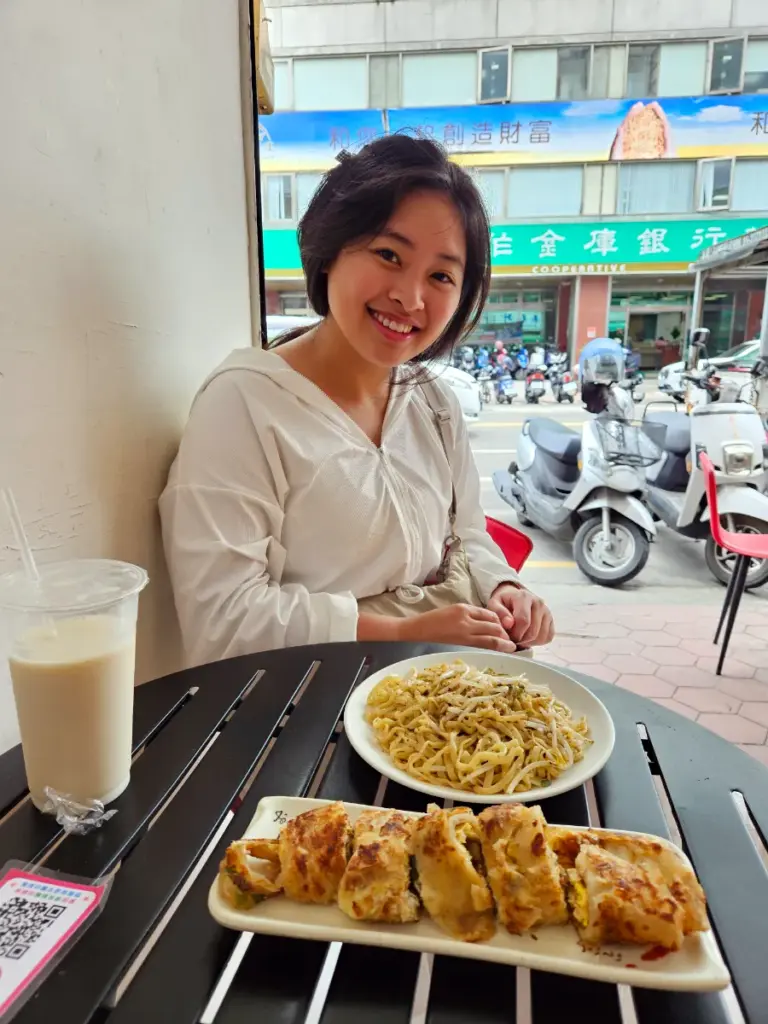
Other times (typically when it gets a little too hot at the shop), we walk to a bakery nearby to share pastries and an iced drink and bask in their air conditioning, or we head to a breakfast shop for some dan bing (a savory crepe filled with omelet and scallions), dumplings, and iced soy milk.
Volunteering on a Taiwanese Farm
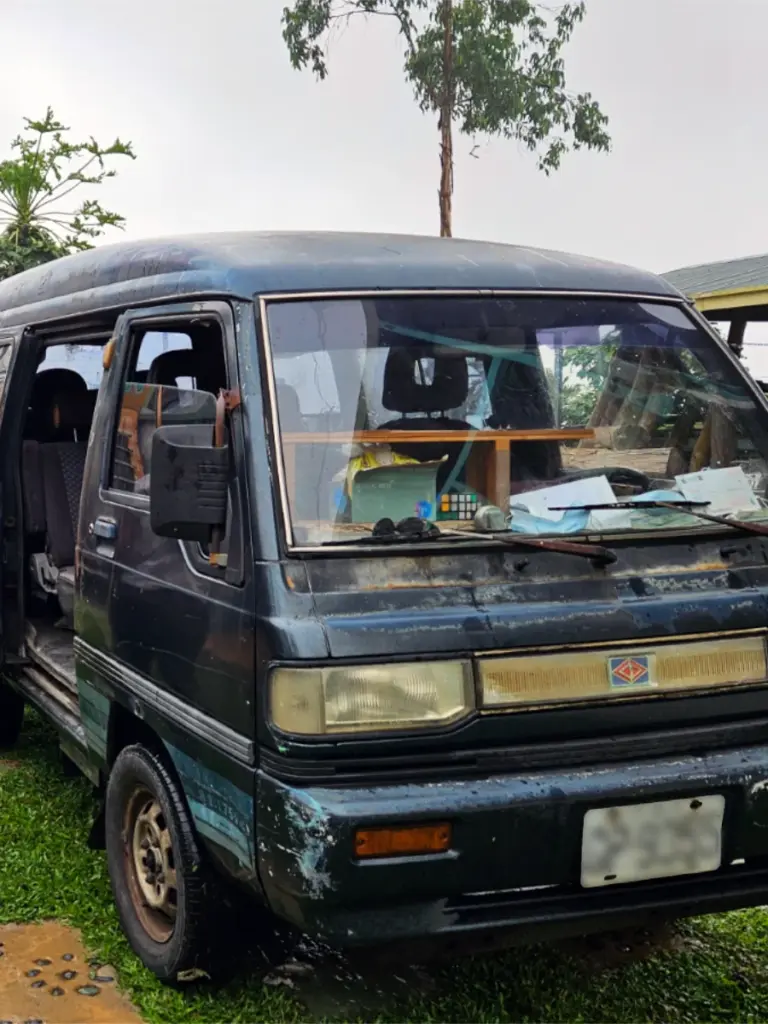
At around noon we pile into Steve’s old van (rusty, blue, and with no seatbelts in sight) and make the 30-minute drive up the mountain to the farm. We drive through the city, sometimes stopping on particularly hot days for baobing, Taiwanese shaved ice with toppings like taro, grass jelly, red bean, and brown sugar syrup. Then we’d head up narrow, winding mountain roads holding on to the sides of the van for dear life (again, no seatbelts!).
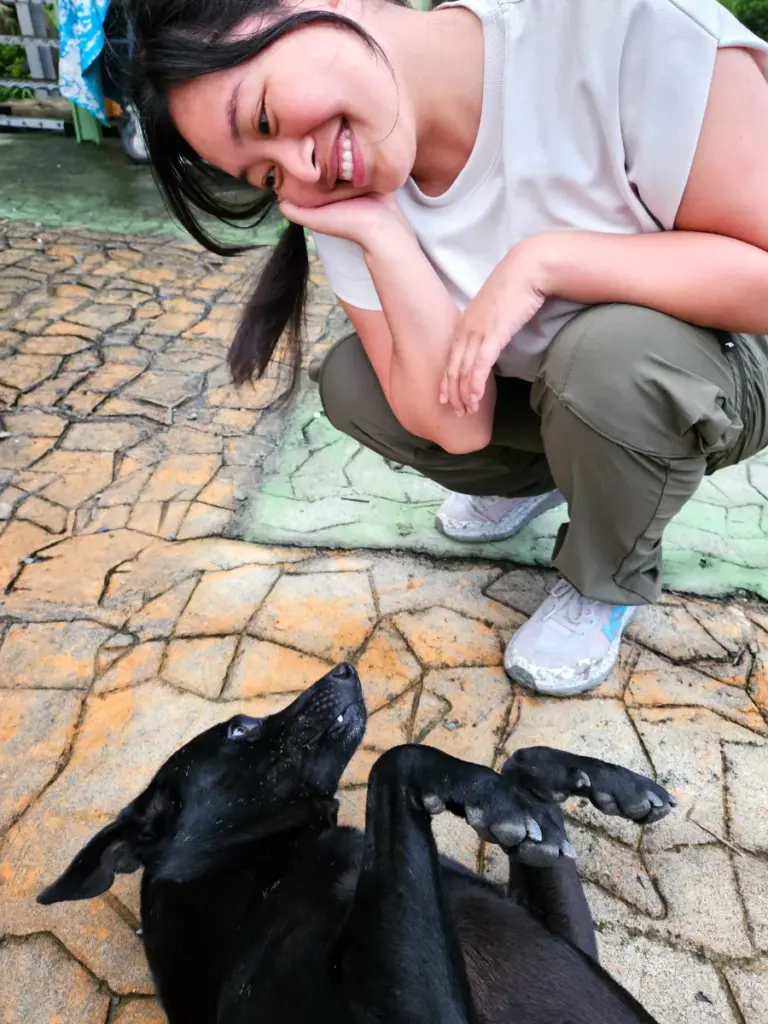
As we approach the farm, we’re greeted by two black dogs. Steve never named them, but he feeds them every time he’s up there, so they’ve stuck around.
Then comes the work. Steve likes to change it up so we’re never bored.
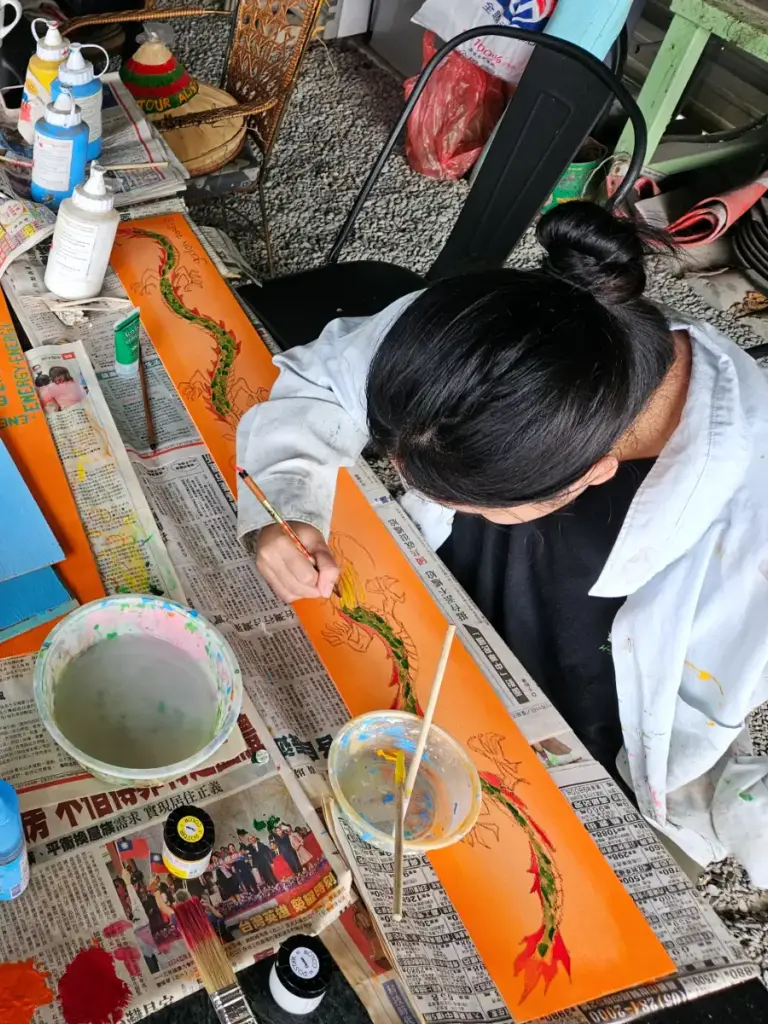
Some days we’re harvesting and planting fruit like bananas, papayas, and mangos, and some days we’re pulling weeds. We planted banana trees, shoveled gravel, and built paths. On rainy days we painted wooden boards to make signs or sanded down logs to turn into stools.
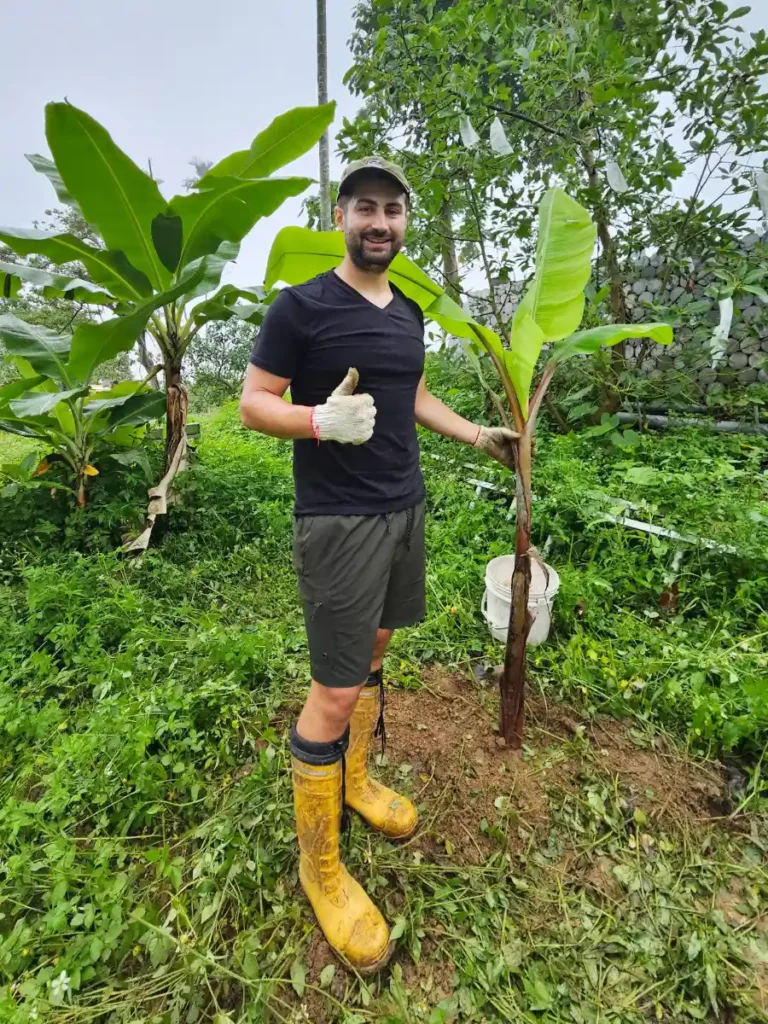
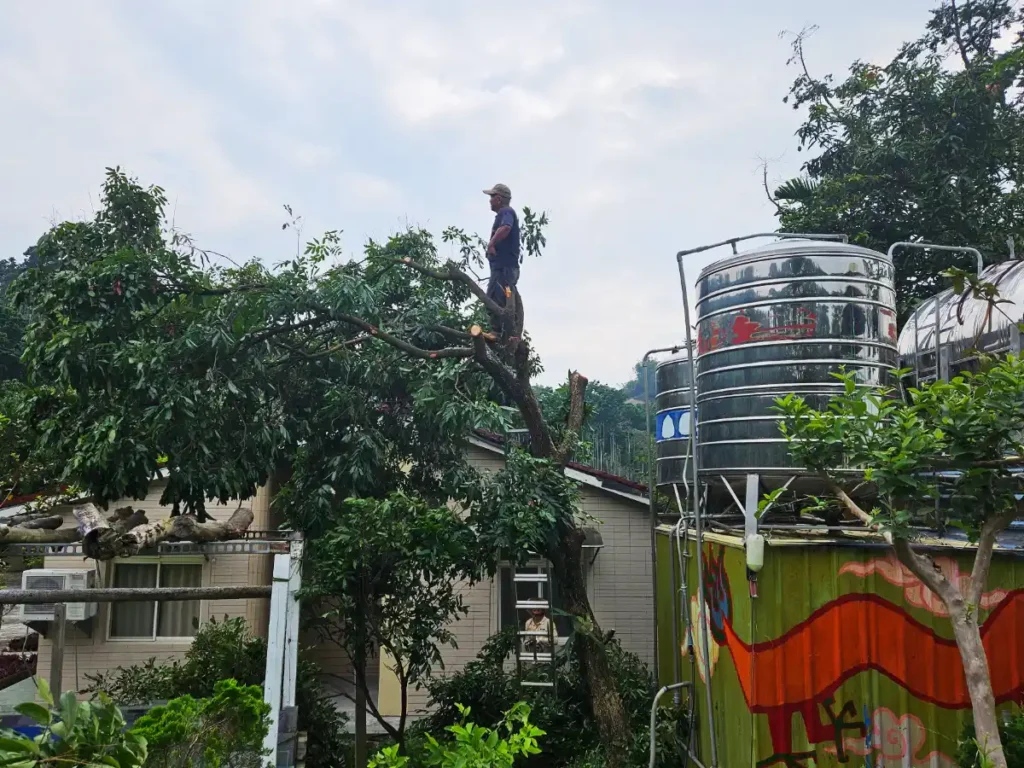
Most importantly, we trimmed branches from trees as part of typhoon season preparation. By removing excess branches and leaves, you reduce the chance for the strong typhoon winds to knock down entire trees.
Evening Meals and Detours
At the end of every day at the farm, Steve cooks something in the outdoor kitchen for us to enjoy. Boiled dumplings dipped in spicy sauce. Loofah and eggs. Sesame noodles. Egg drop soup. We loved sitting at the table, chopping vegetables with a fan pointed at us, chatting with Steve as he cooked.
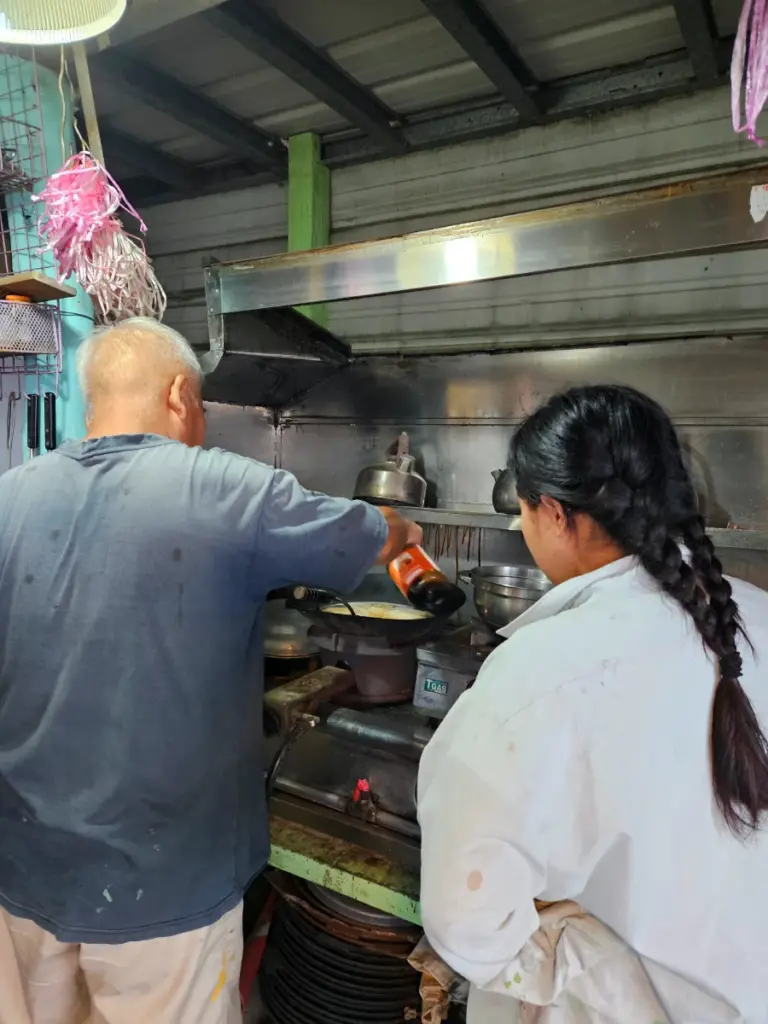
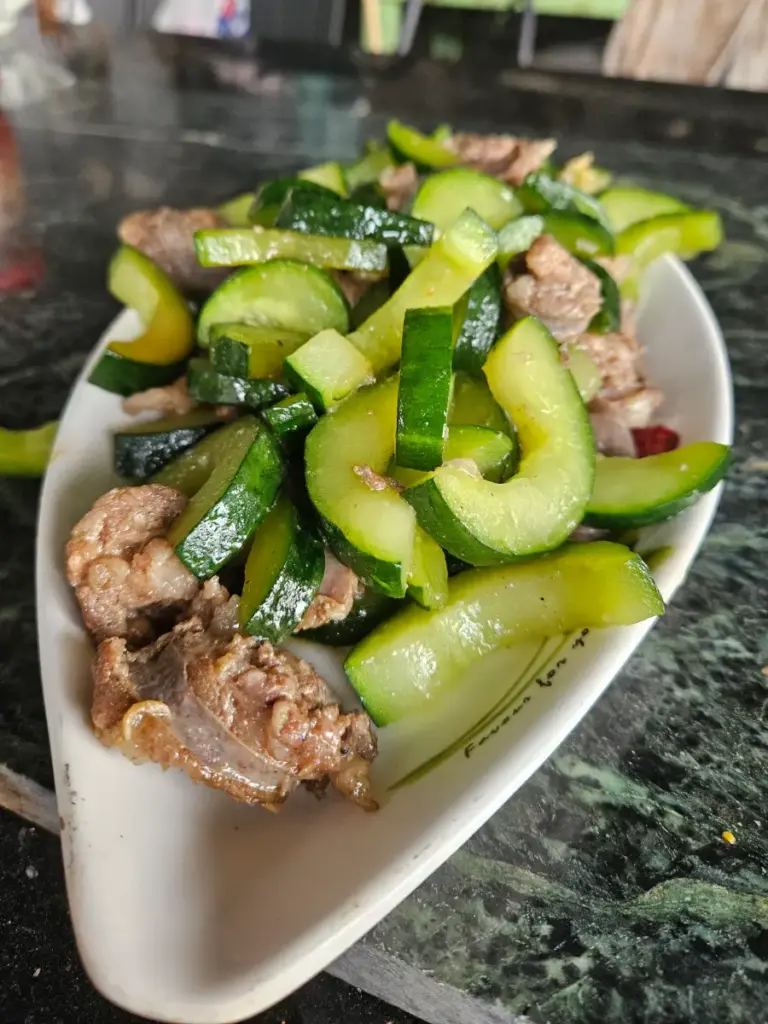
At around 5 PM, we get back in the van and make our way into town.
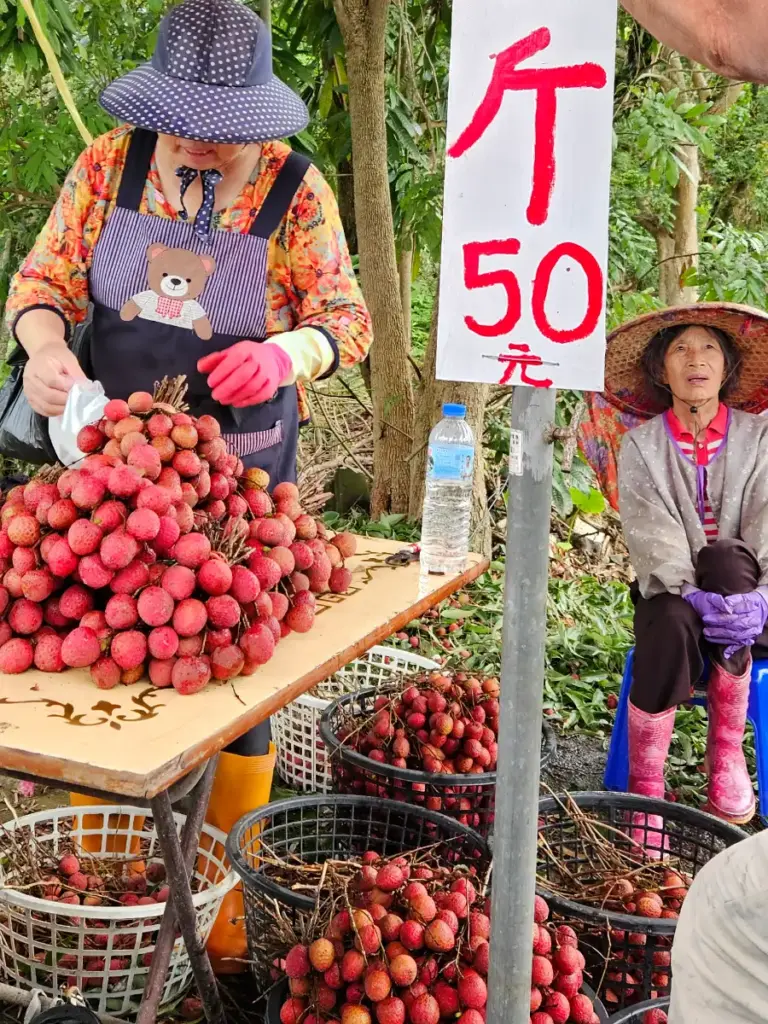
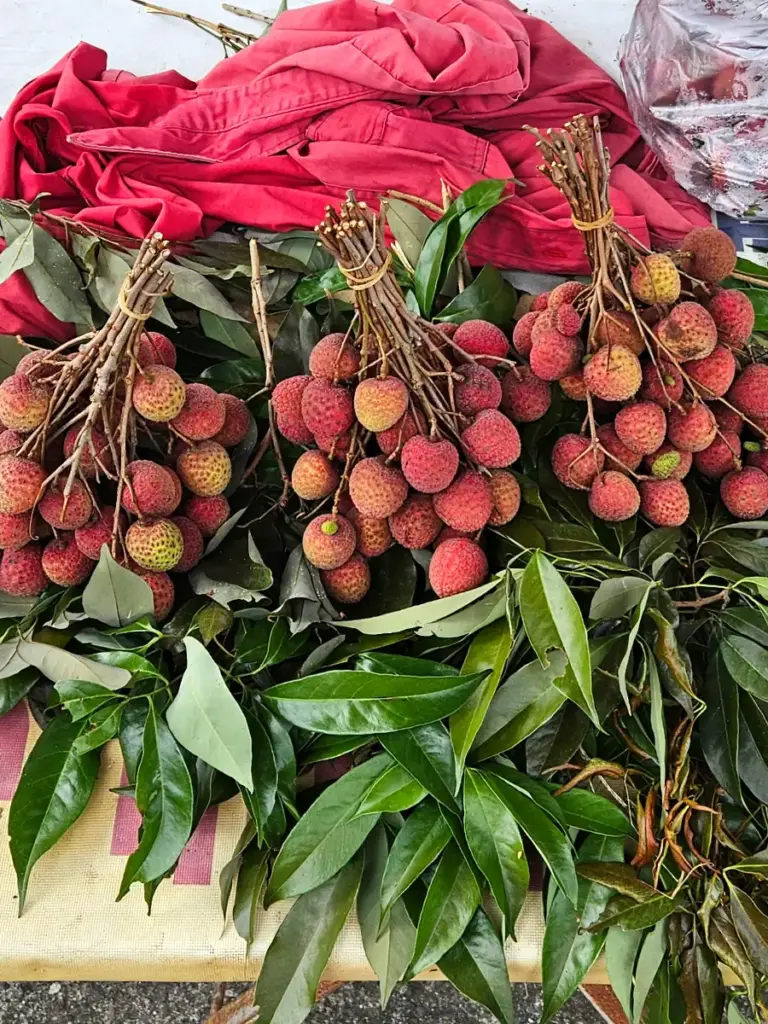
Sometimes we go on detours. Stopping by an elementary school because a man selling douhua (tofu pudding) from the back of his truck was parked there. Or buying freshly picked lychees (so red and so sweet and so juicy) at a fruit stand because May is the start of lychee season.
Steeped in Culture: Exploring Taiwanese Tea
Tastings and Taiwanese Tea Culture
Steve loves tea.
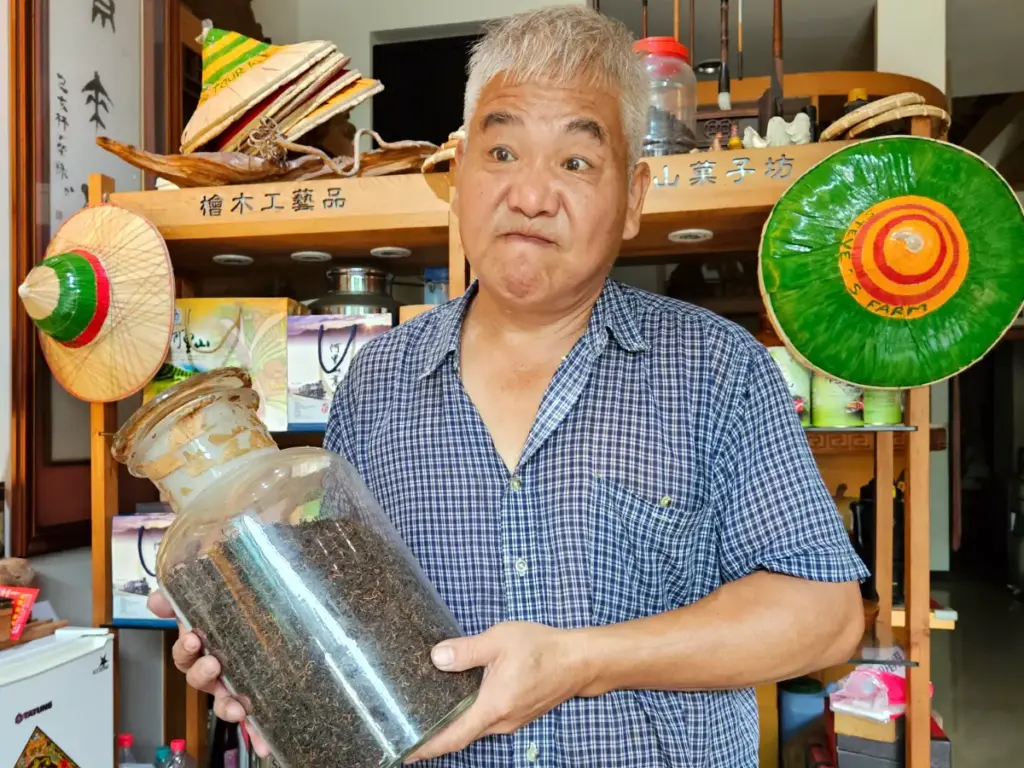
He owns a tea shop, travels to grow his collection, and partners with other farmers to produce amazing tea.
And Steve loves sharing his passion for tea.
One of my absolute favorite parts of my time in Chiayi was sitting with Steve at a table in his shop as he educated us on Taiwanese tea culture.
It started with tastings: green to savor the honey notes and chat about so and so’s son’s dating drama; black to feel the roast on the tongue; red for digestion and nighttime chats about old friendships. Steve would carefully walk us through his process, narrating everything he did (and why!) as he prepared it.
Performing a Traditional Taiwanese Tea Ceremony
After the tasting was the practical. Pour hot water onto the leaves briefly before pouring it into the serving bowl to wash and warm it. From the pot, pour the hot liquid into each cup to wash those as well. Empty the cups, pass them to each guest to enjoy the aroma lingering in the cups. Then the first steep poured into the serving bowl. Followed by the second steep. Then the mix of first and second steep poured into each individual cup for each guest.
The process of a traditional Taiwanese tea ceremony is tranquil, systematic, and soothing.
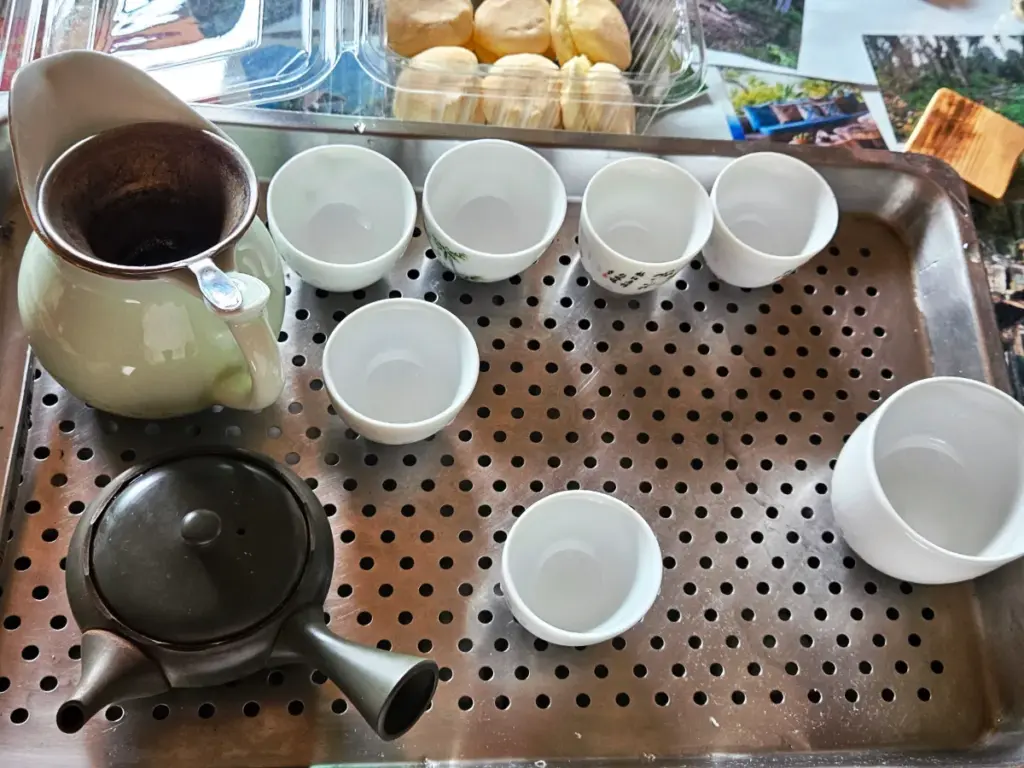
Then you watch everyone’s reaction. Was the pour too strong? Not strong enough? You adjust the next steep to match the palate of the audience.
The ceremony is a performance, and the guest’s enjoyment is a reward.
In the mornings when Steve has tea with his friends, he’d call us over. Me to perform the tea ceremony and Tim to partake in the tasting.
And it was such a joy to sit there, preparing and serving tea to these people who gave their encouragement and thanks in head nods and three taps to the table with two fingers. It felt like I became part of their routine. For that short period of time it felt like I was becoming a local in Taiwan. Included their daily chats about wives and children and the state of the economy over pots of tea.
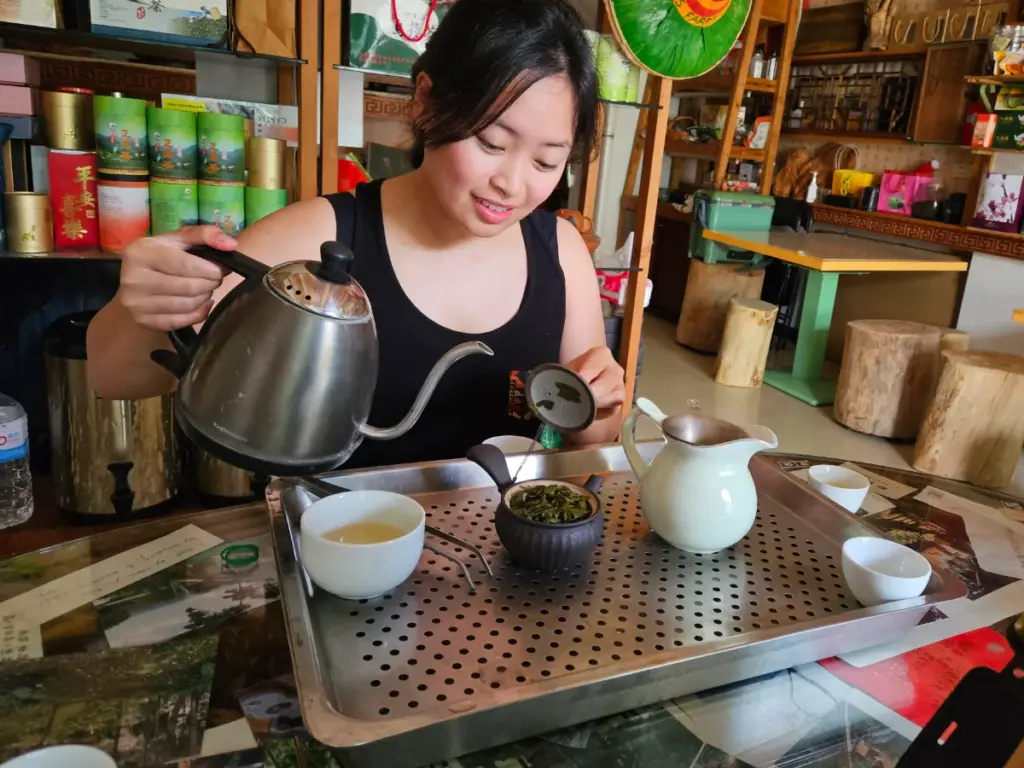
And they might not have been speaking English at times (or most of the time when they weren’t directly talking to me) but I still felt that warm welcome.
Honestly, we’re spoiled. Because Steve’s tea is so delicious. Steve’s tea is handpicked from the mountains of Taiwan. Processed in the buildings that he had us walk through. By people he introduced us to.
How unreal to get to experience that education.
Exploring Chiayi with a Local Guide
Local Taiwanese Food and Pineapples
There are some days when Steve says he’s old and needs rest, so we skip the farm. Still, he packs us into his van and takes us around his city to experience local Taiwan.
And what better way to experience local Taiwan than with food.
Steve took us to the Wenhua Road Night Market where we walked down a bustling street packed with food stalls.
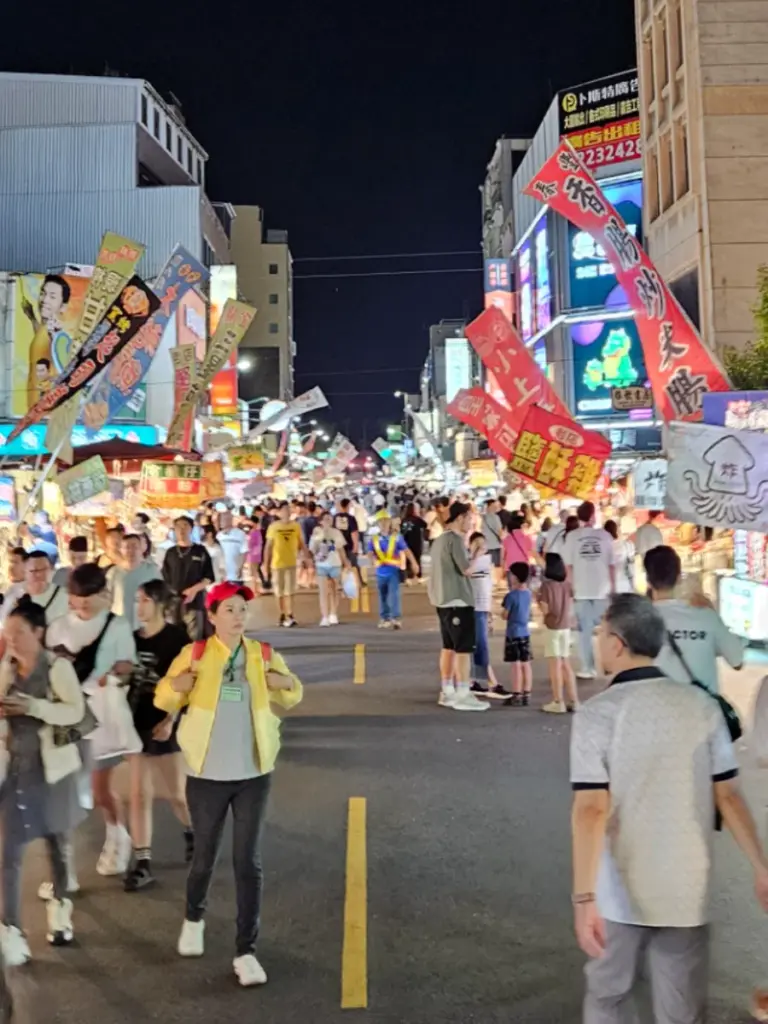
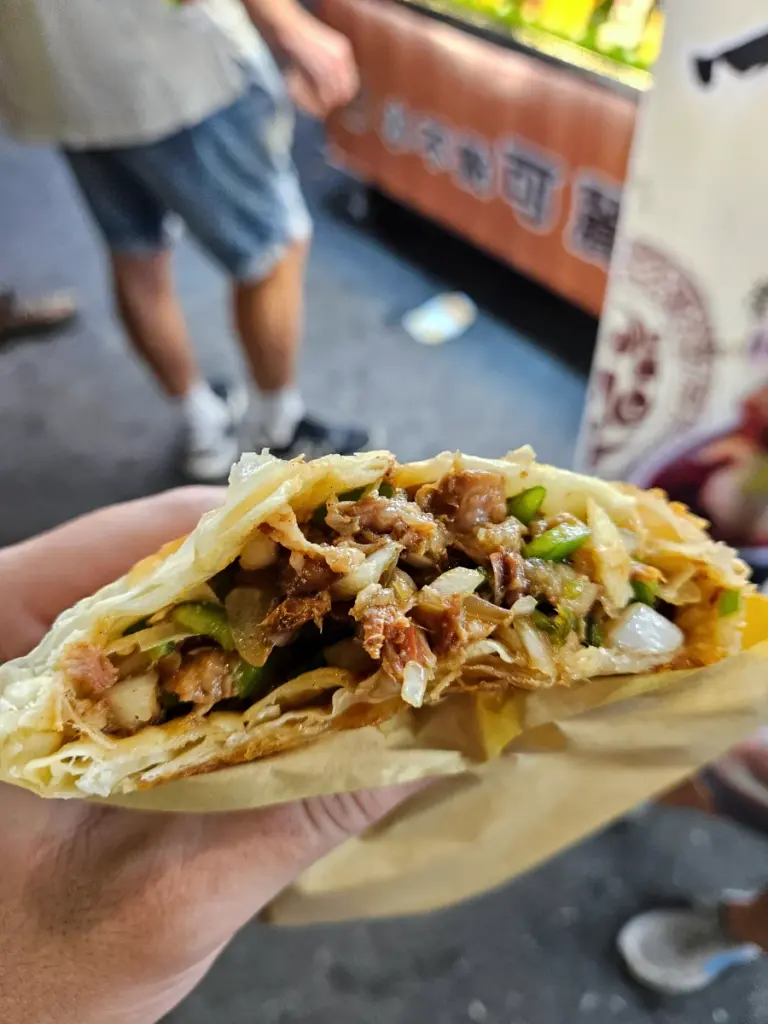
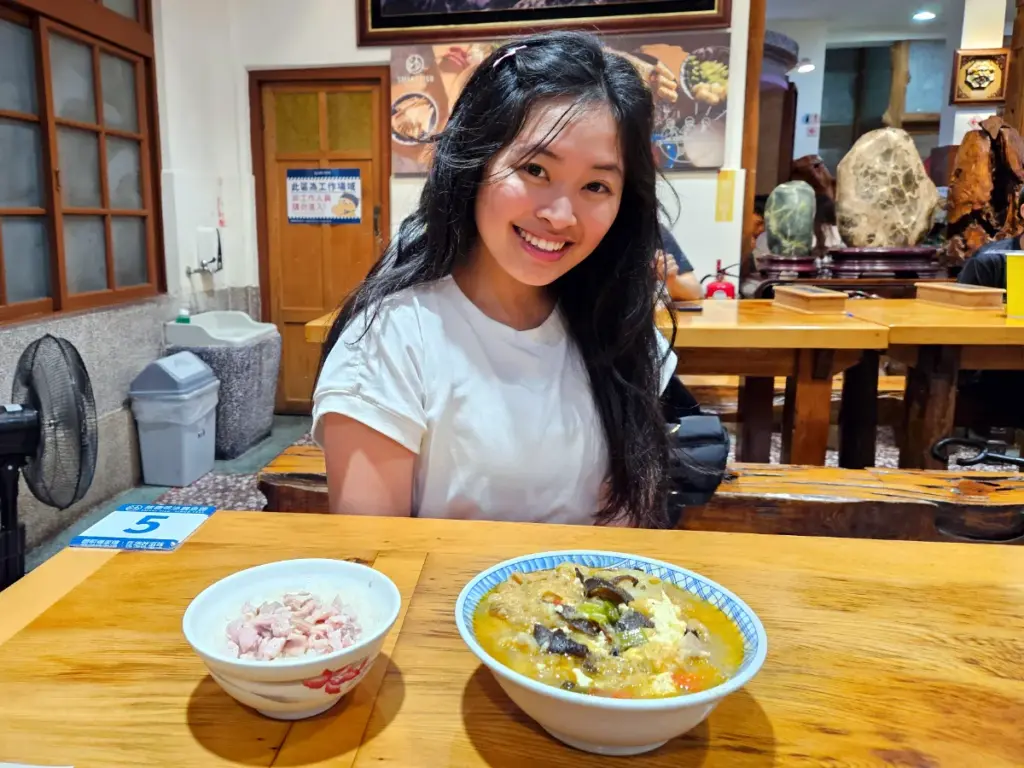
We tried Chiayi’s local turkey rice, which was a bowl of shredded, juicy turkey served over rice and drizzled with savory chicken fat and soy sauce. We tried roujiamo, consisting of a flaky pastry cut in half and stuffed with a mix of braised beef and vegetables. We tried fish head soup from a famous local restaurant called Smartfish.
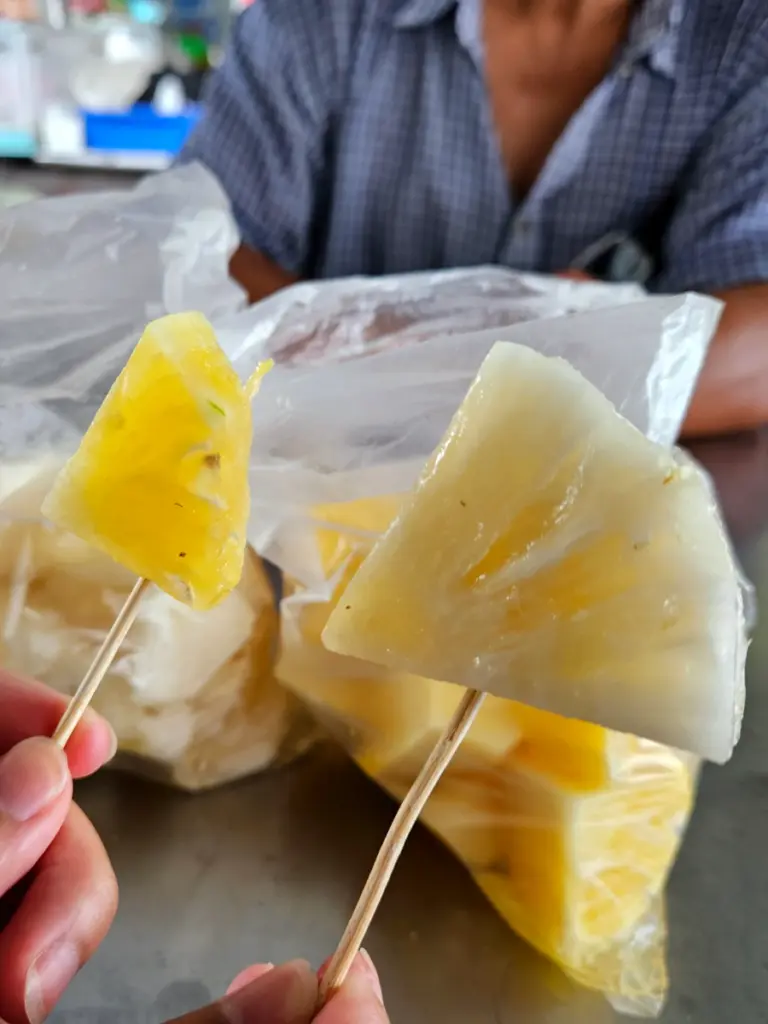
Steve would also take us to his favorite spots, like when he drove us to get his favorite pineapples. The fruit here is grown in red, nutrient-rich soil that was apparently the reason why they were so sweet and abundant. We visited a small stall where ladies expertly cut and bag them for you. Steve got us the regular golden pineapple and another unique to Taiwan, the milk pineapple.
Both were amazing but oh my gosh that milk pineapple! It’s paler than the regular pineapple. You could say milky white. And it’s got this almost creamy texture. Amazing!
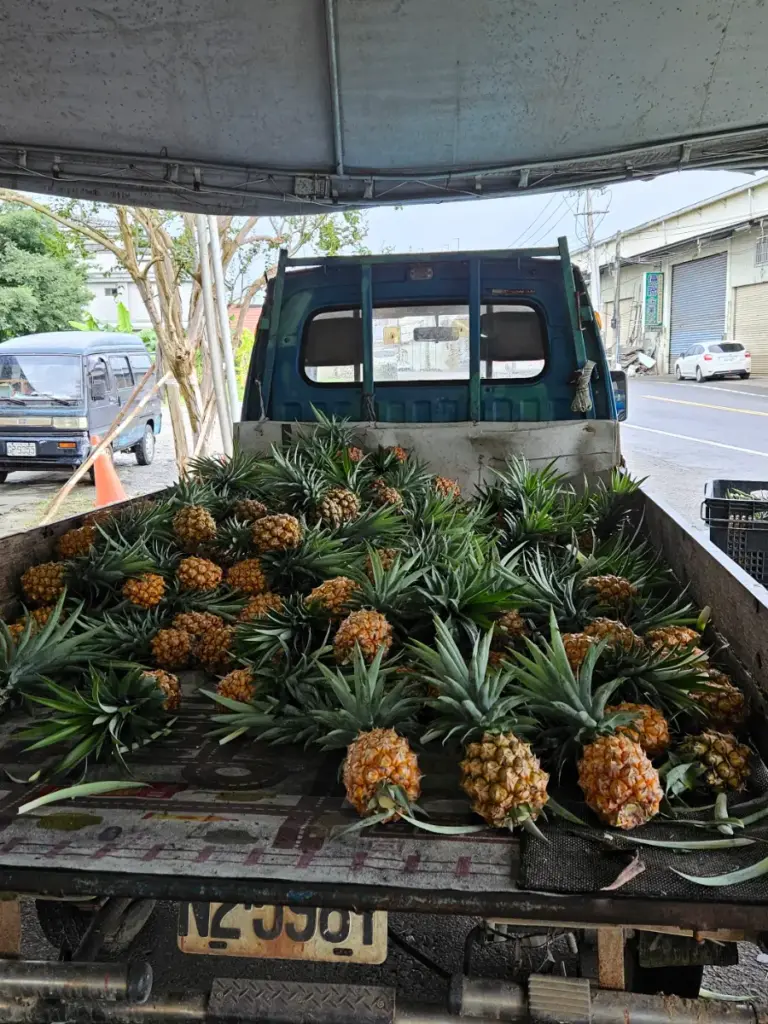
Steve also took us to Pineapple Hill, where we admired pineapple fields, learned about the different products that can be made using the local pineapples, and enjoyed pineapple cakes and hot tea. We ended up buying pineapple beef jerky which was actually pretty good and not as sweet as I thought it would be.
Temples and Cultural Exchange
Steve took us to beautiful temples and showed us how to pray to the deities. We tossed jiaobei (moon blocks) to ask questions to the deities, and drew kau chim which are numbered fortune sticks where the number corresponds to a drawer that you can draw your fortune from.
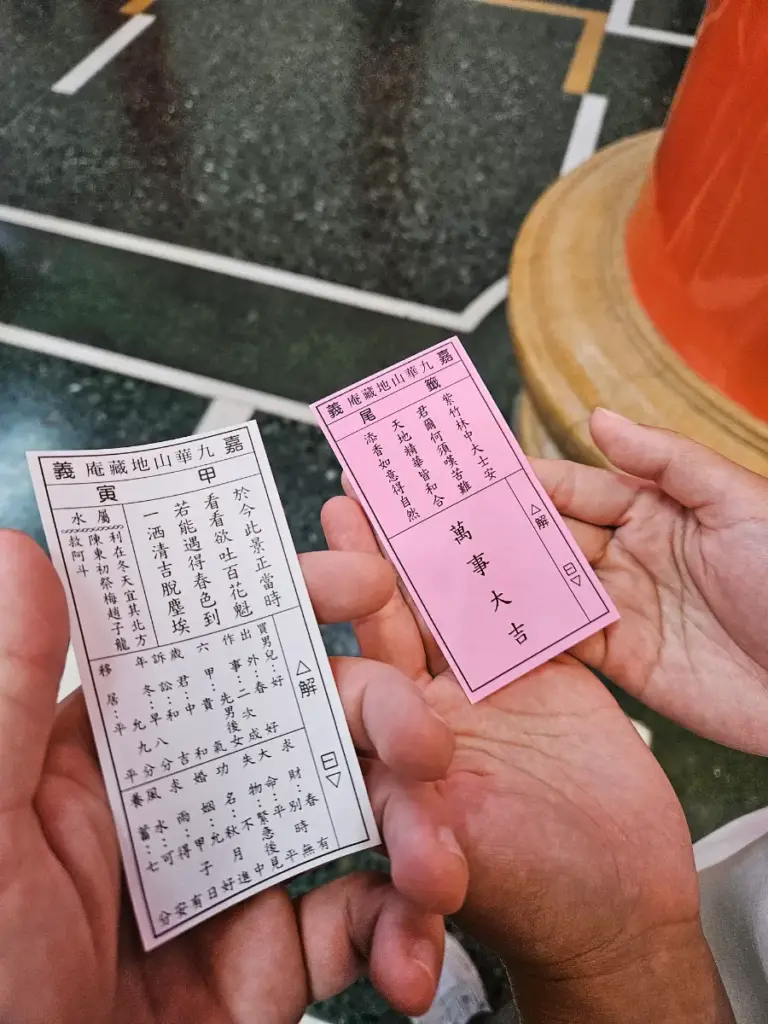
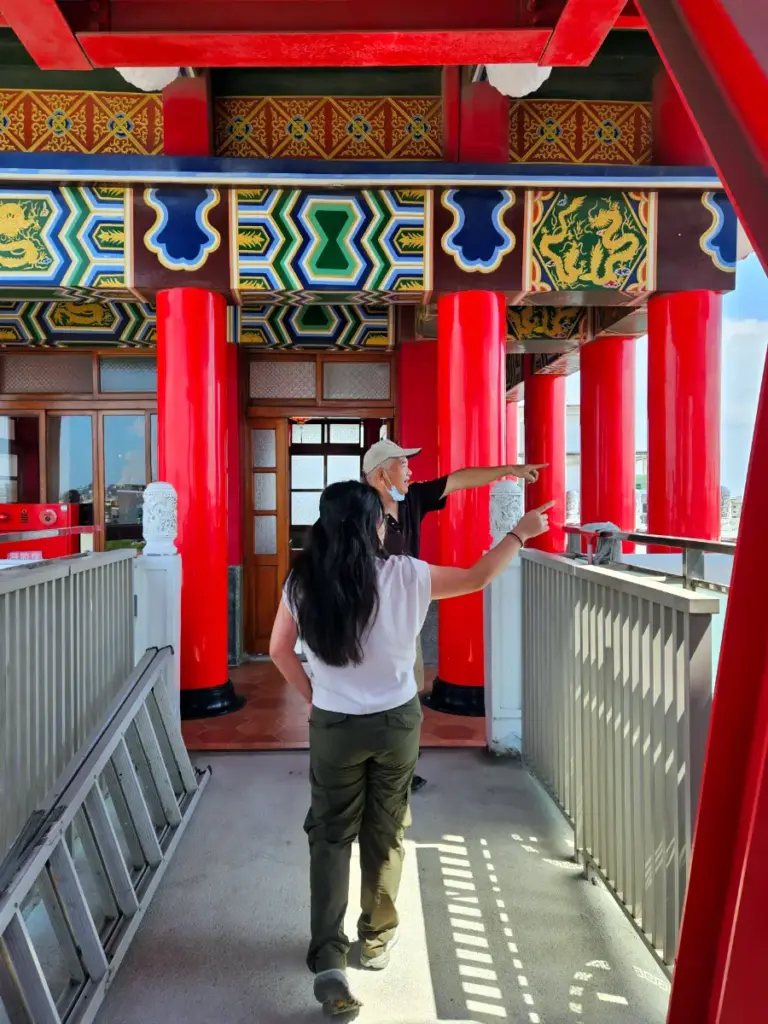
My fortune was printed on red paper which really surprised and excited Steve. He said it was really rare, the best luck possible, and it meant that I was very auspicious. Tim got a white fortune that signified good luck. He told Tim he needed to stick to me to benefit from my great fortune.
Steve also invited us into his childhood home and introduced us to his mother. She didn’t speak English but we felt her care through the endless amounts of milk and crackers she put in our hands. Literally the moment I finished drinking my milk carton she was placing a brand new one in my hand.
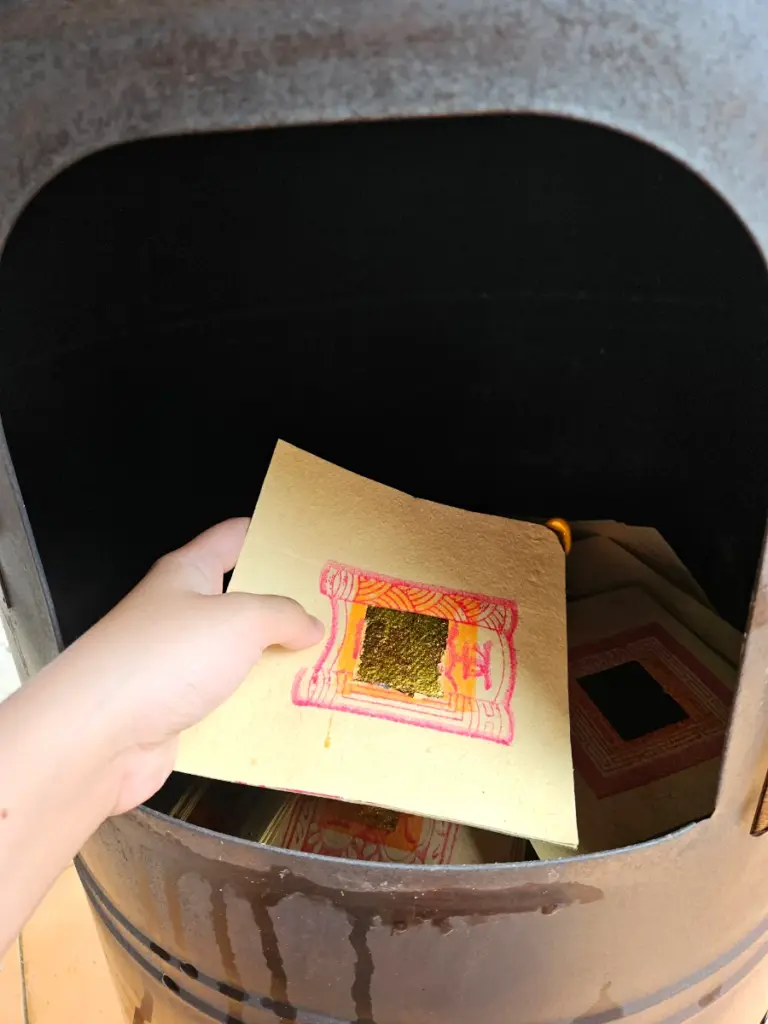
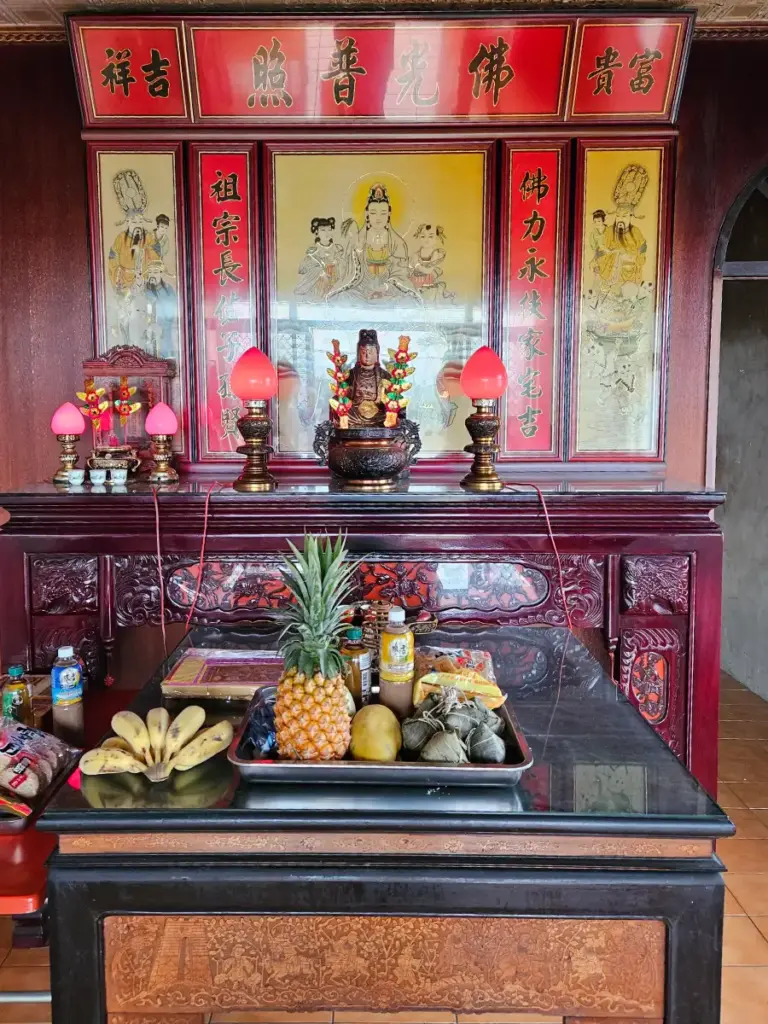
We took part in their family traditions for the Dragon Boat Festival, lighting incense, burning ghost money for their ancestors, and eating the zongzi (sticky rice dumplings wrapped in bamboo leaves) that Steve’s mom made.
We even went out drinking with his friends, sharing bottles of Taiwan Beer as they encouraged us to try their favorite drinking foods. We particularly loved the stir-fried snails that Steve grew up eating, as well as any kind of grilled food that they ordered. And I celebrated my 29th birthday at the tea shop while they sang to me in Taiwanese.
A Trip to the Alishan Region
Of course one of my favorite adventures was when Steve took us up to Alishan, a beautiful mountain range with cedar forests and amazing hikes and where delicious high-mountain tea is grown.
Tim and I could have easily planned a trip to Alishan ourselves. But we would never have been able to recreate the experience that Steve gave us.
Starting the day with a visit to a tea farm where his friend taught us how to handpick tea leaves.
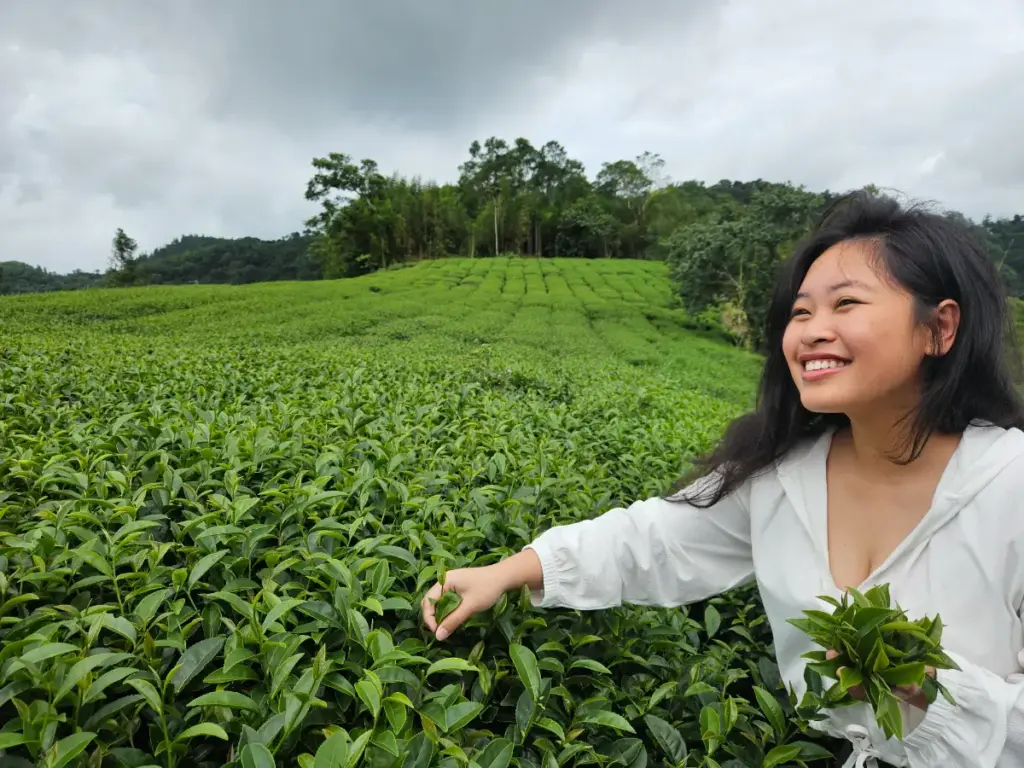
Then dropping us off so we could hike the Eryanping Trail while Steve visited a friend. Stopping to buy plums and lychees from street vendors. Introducing us to another friend who comes with us to Fenqihu and buys us his favorite donuts and aiyu jelly.
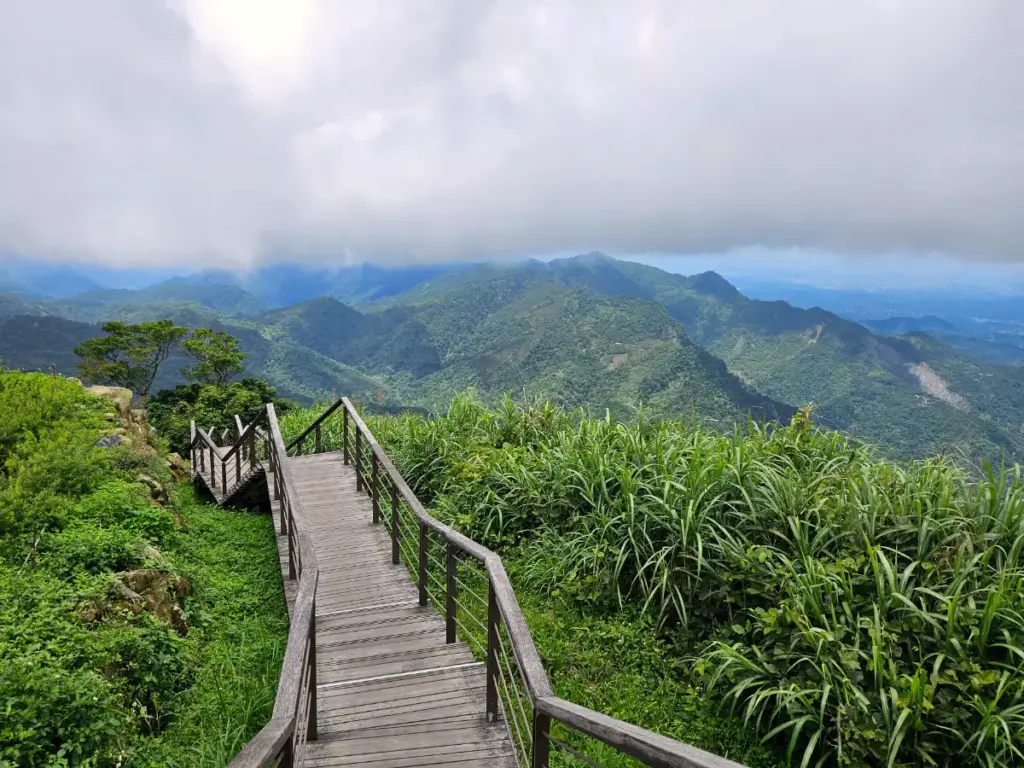
Going to another trail, this time so we can see the mist as it settles over the tea fields.
And all throughout the day we are visiting various tea farms where Steve introduces us to the owners (all his friends) who invite us to join them in tea ceremonies. I think we participated in five different ceremonies, drinking multiple varieties of high-mountain tea in each one.
Why One Week Wasn’t Enough
So really it was not a hardship to stay in Chiayi with Steve for three weeks while working on his farm. Every day was so different. And every day was fun.
It honestly felt like no time passed at all because you’re always doing something and you’re tired after a days work and you’re surrounded by good conversation and even better food.
After our first week, we turned to Steve and asked if we could stay longer. So he invited us to stay another week. And then the same thing happened the next week.
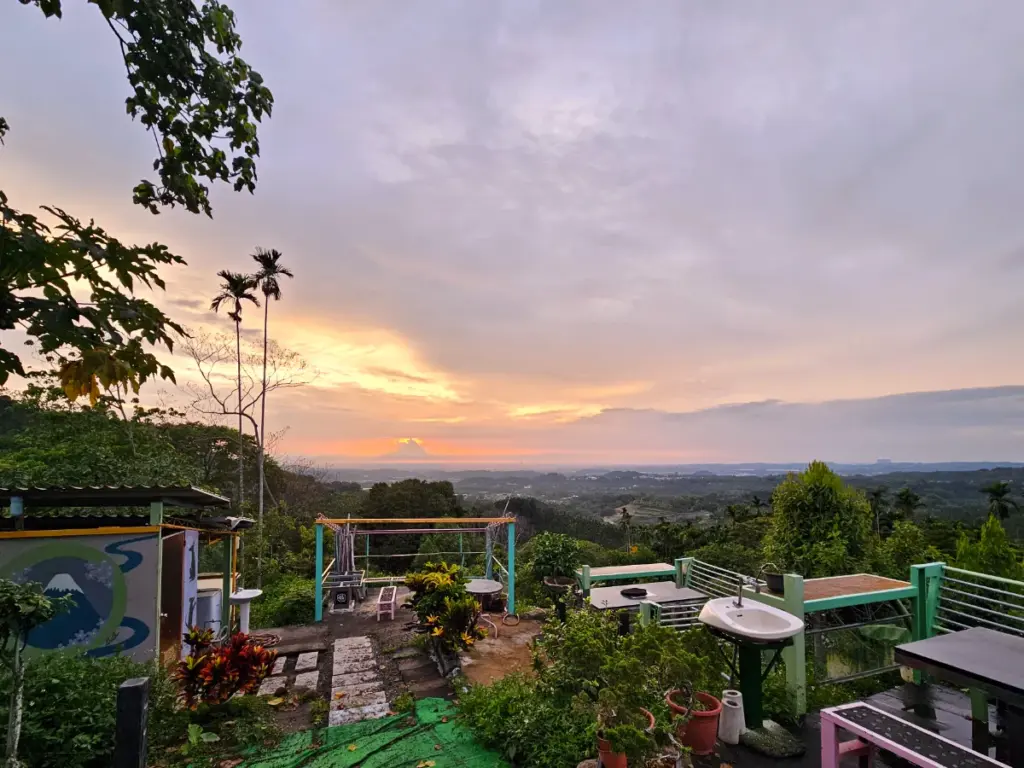
I really can’t thank Steve enough for what he’s given us. We stayed with him through this platform where you work in exchange for room and board. But Steve gave us so much more than that. We really got to learn so much of Taiwanese culture and local life because he was with us every day, giving us glimpses into his and his friends’ lives. He shared his stories and his routine and his friends.
This experience of living local in Taiwan is honestly one of the best in our travels. This was where we really immersed ourselves in the lives of the local people. I am so grateful for that opportunity and for the friendships that I’ve made from that experience.
And if I’m ever back in Taiwan, you know I’m going straight back to Chiayi.
Planning your next trip but don’t know where to start?
Join our newsletter to get our free Slow Travel Toolkit!
It includes our essential pre-departure checklist, a budget guide and tracker, and the packing list we used for 15 months of travel.

Leave a Reply