
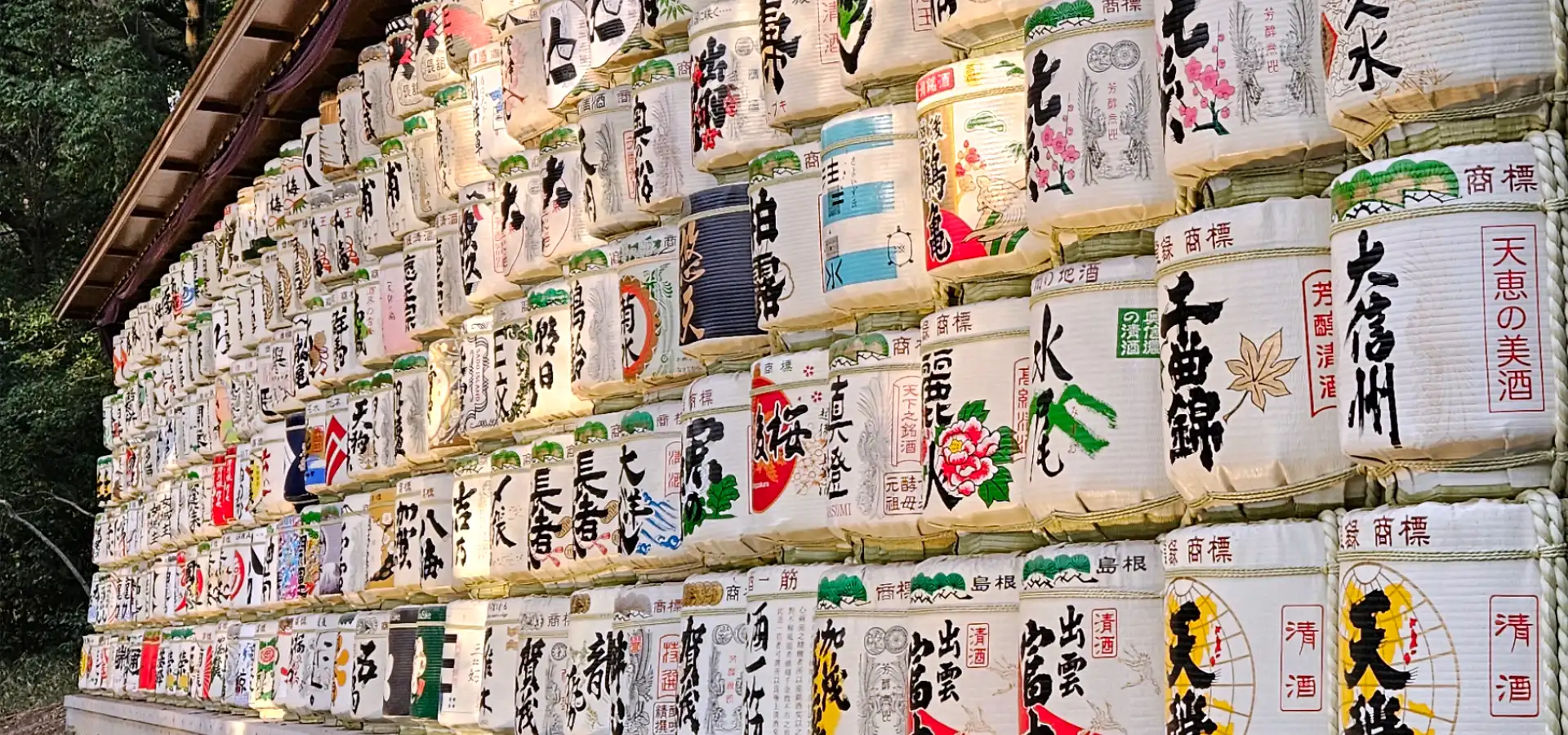
Japan has always been at the top of my bucket list. Ever since I was a little 10-year old girl watching her first anime and seeing cartoon cherry blossoms for the first time. So when Tim and I planned our winter snowboarding trip to Hokkaido, we decided that instead of a stop in Tokyo on the way to Sapporo, we were going to dedicate a week to Tokyo instead.
Looking back on when we were planning our Tokyo itinerary, we were still early on in our commitment to the slow travel lifestyle. If I were planning the trip now, that one week in Tokyo could easily be months. Tokyo has endless layers, and it’s impossible to see it all in one go.
And that’s the beauty of it. You don’t have to see it all.
If you’re planning your own trip and feeling a little overwhelmed by the massive transit maps, the neon lights, and the size of the city, take a deep breath. Whether you have a few days or a few weeks, this 2026 Tokyo travel guide will help find some quiet in the chaos.
Table of Contents
Getting To and Around Tokyo
Ok, first things first is figuring out how to get to the city and how to move around once you’re there.
Tokyo is massive. There’s so many places to go, so many things to do, and so many options for getting there. Good thing it’s got an amazing public transportation system. It might seem intimidating at first, but once you get the hang of it, getting around Tokyo is so efficient and smooth.
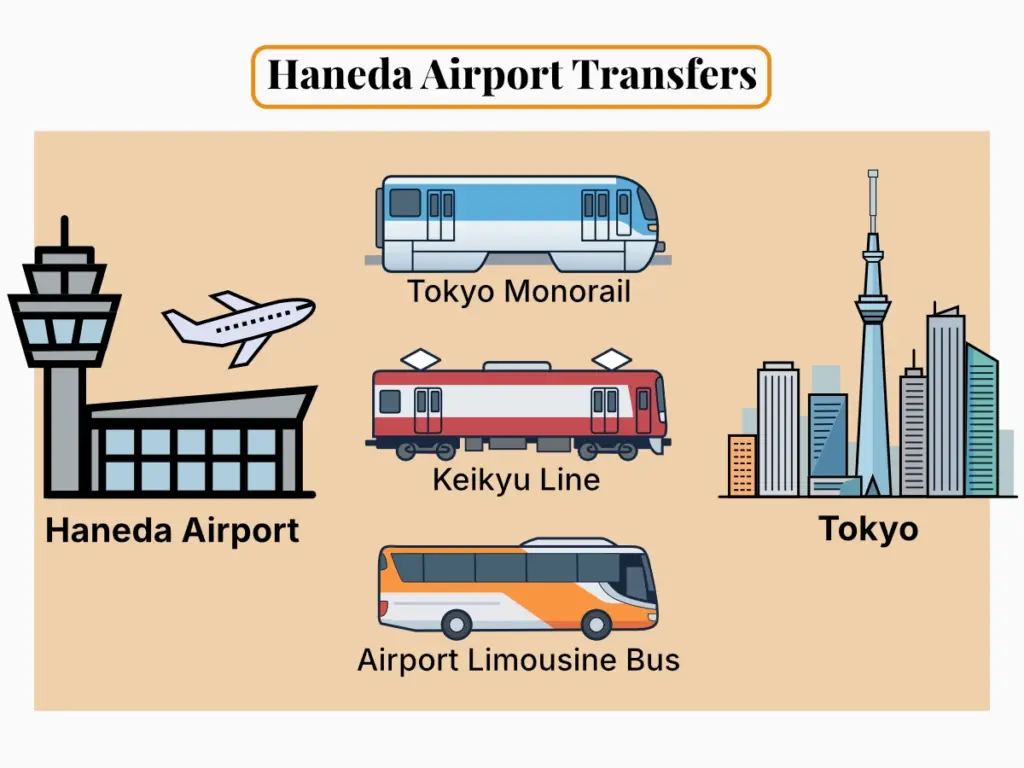
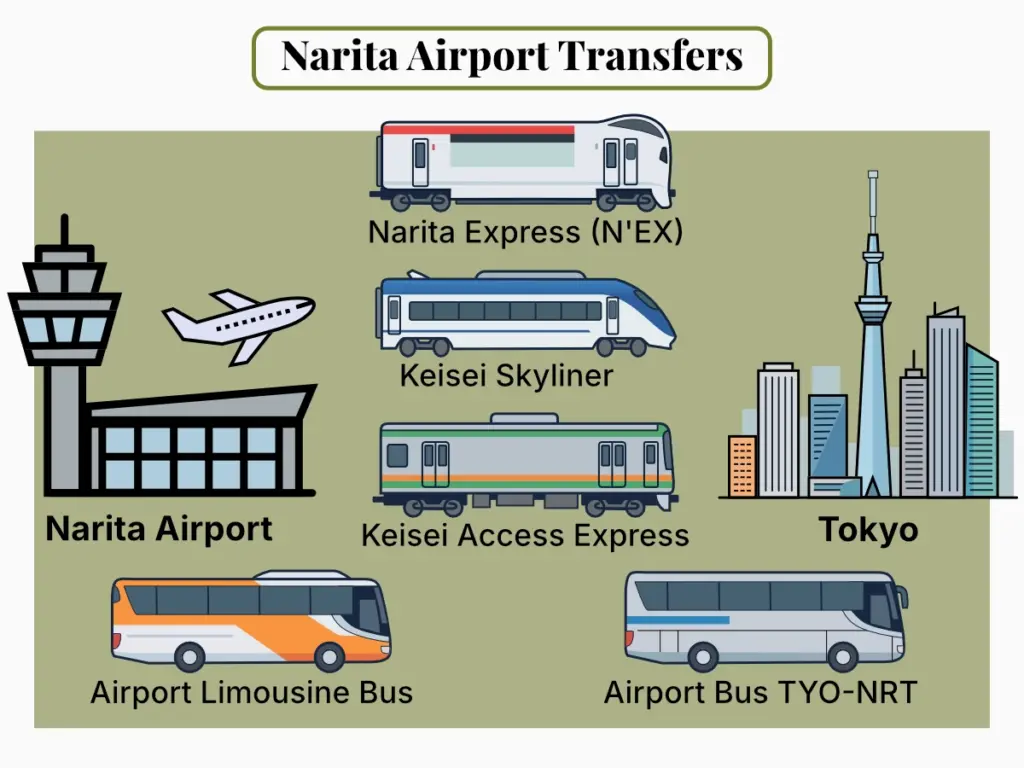
You’ll probably start your Tokyo trip at either the Narita or Haneda airport. If you have the option, flying into Haneda is much more convenient because it’s closer to the city center. Narita Airport isn’t even in Tokyo. It’s in Chiba Prefecture 60 kilometers (~37 miles) away.
Both airports offer different options to get you into central Tokyo.
If you’re thinking “Huh, I do not want to be lugging all my stuff while I’m trying to figure out which train to take out of here” then one of the best things you can do to start your trip is to use a luggage forwarding service (takuhaibin). Sending your larger bags directly to your accommodation means you can hop on the train and start immersing yourself in the city immediately, without the stress of navigating crowded stations with heavy suitcases. You can even book the service online so all you have to do is drop off your bags when you arrive.
Once you’re in the city, public transportation will be your lifeline. Google Maps is an absolute must-have here. It tells you exactly which line to take, the platform number, and which exit to use to get closest to your destination.
To make things even easier, skip buying individual tickets and use an IC card. If you have an iPhone, adding an IC card to your Apple Wallet lets you simply tap your phone at the gate and effortlessly ride the subways and local trains.
The IC card can also be used to pay for purchases at convenience stores, vending machines, and even some restaurants and supermarkets.
You can buy IC cards at major stations or order it online if you’re flying into the Haneda airport (you pick up the physical card from the Haneda airport upon arrival in Japan).
You might also be wondering about the JR (Japan Rail) Pass. If you’re embracing a slow travel approach and spending your time fully exploring the depths of Tokyo, a Whole Japan JR Pass is probably not worth the investment. There are actually other pass options like the Tokyo Subway Ticket and the JR Tokyo Wide Pass that would work better for you.
There is a lot to cover when it comes to transportation in Tokyo, so I’ve put together a dedicated, step-by-step guide to help you navigate it all stress-free. For a complete breakdown of Narita vs. Haneda, step-by-step instructions for luggage forwarding, and a deep dive into the JR Pass, read our complete 2026 guide to getting around Tokyo.
Things To Add to Your Tokyo Itinerary
Honestly, there are so many great things to do in Tokyo. You’ll never be bored.
But before I tell you about our favorite places, I want to give you some advice when prepping your Tokyo itinerary.
Group your plans by area.
For example, you can plan the perfect afternoon by visiting teamlab: Borderless followed by a visit to the Tokyo Tower. They’re close to each other so you just have to commute to one and walk to the other.
Tokyo is massive so if you’ve got something scheduled in multiple parts of the city in one day, you’ll be stuck commuting for a huge chunk of that day. No matter how efficient the public transportation system.
To make visualizing your trip easier, we put together a map with our favorite spots already pinned. The locations are color-coded by neighborhood so you can easily group your plans. You can even click the little star icon to save it directly to your own Google Maps for when you land!
Now let’s get into some of our favorite things to do in Tokyo.
Senso-ji
Have you seen the photos of the beautiful red temple with an equally beautiful (and red) five-tiered pagoda standing next to it? That’s Senso-ji. Tokyo’s oldest Buddhist temple.
During the day, the temple and the Nakamise Shopping Street leading up to it is packed shoulder-to-shoulder with tourists. It’s vibrant, it’s loud, and a little overwhelming.
But my favorite part is visiting at night. The crowds disappear. The shops start closing down. The temple grounds and the giant red lantern at the Kaminarimon Gate are beautifully illuminated.
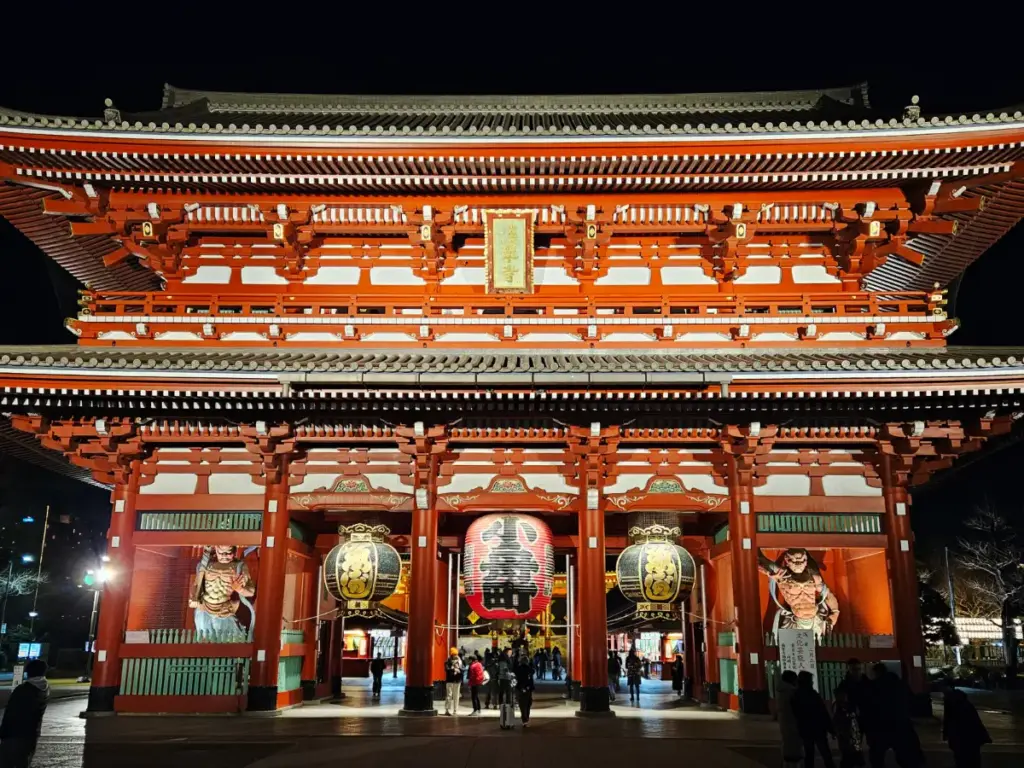
I love strolling through the quiet, empty streets, taking in the architecture and the neighborhood’s traditional charm without bumping into anyone. It’s a perfect example of how changing your timing can completely alter your experience of a place.
(If you’re looking for more quiet places away from the crowds, we’ve got a list of our favorite spots.)
And if you’re craving some busyness, you can just head on over to Hoppy Street and grab a drink at one of the many izakaya amongst locals and tourists alike.
Tokyo Skytree
While staying in Asakusa, one of our favorite things to do was stroll along the banks of the Sumida River, cross the bridge over, and visit the Tokyo Skytree.
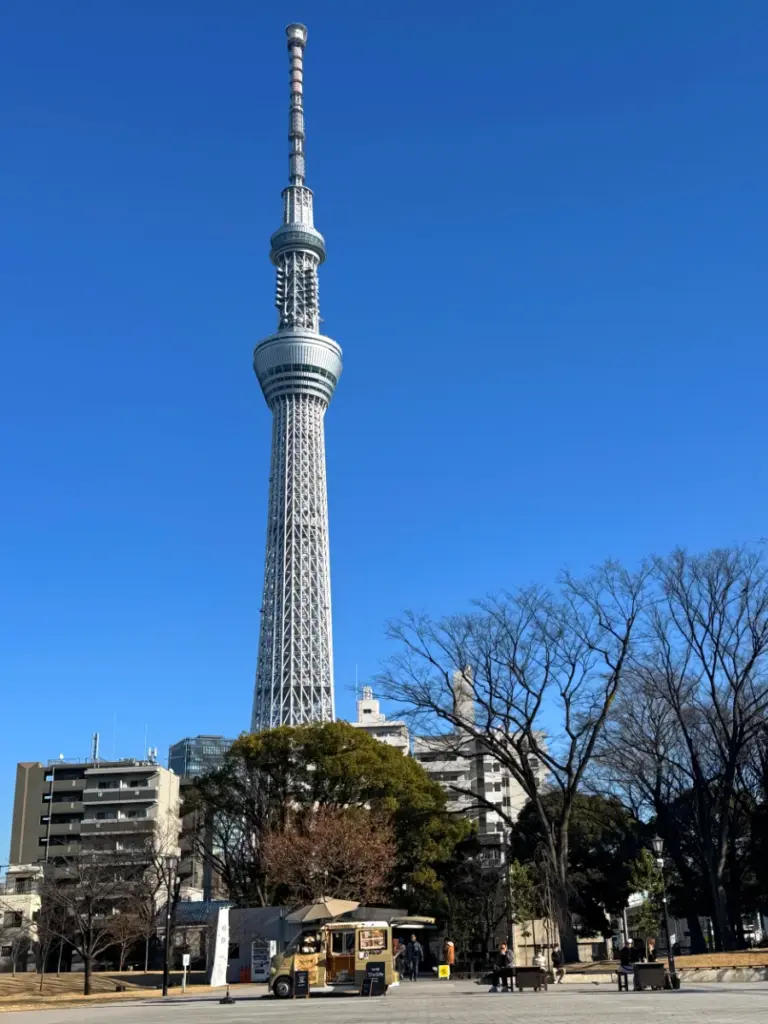
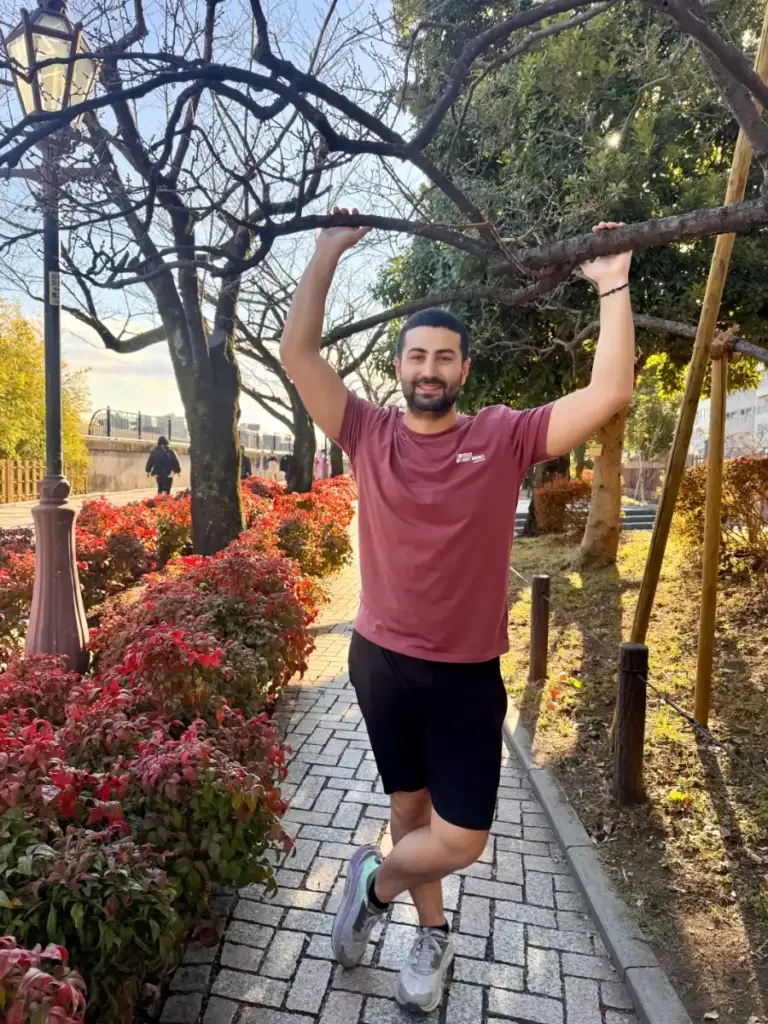
Tokyo Skytree may not be as popular as Tokyo Tower, but it is the tallest structure in Japan. You can enjoy panoramic views of the city from its observation deck.
We especially loved walking around Sumida Park Breeze Plaza, which is backdropped by the tower (a nine-minute walk away). And at night, you can see the Skytree illuminated in many sparkling lights.
Ueno Park
Just a short train ride from Asakusa is Ueno Park.
The park is home to incredible museums (like the Tokyo National Museum), a zoo, and beautiful shrines. If you’re lucky, you can see lotus flowers blooming in Shinobazu Pond as you make your way to the Shinobazu no Ike Bentendō temple.
It’s a fantastic spot for a slow afternoon. Instead of rushing to pack in all the sights, we recommend grabbing a coffee (or a Famichiki!) and just wandering.
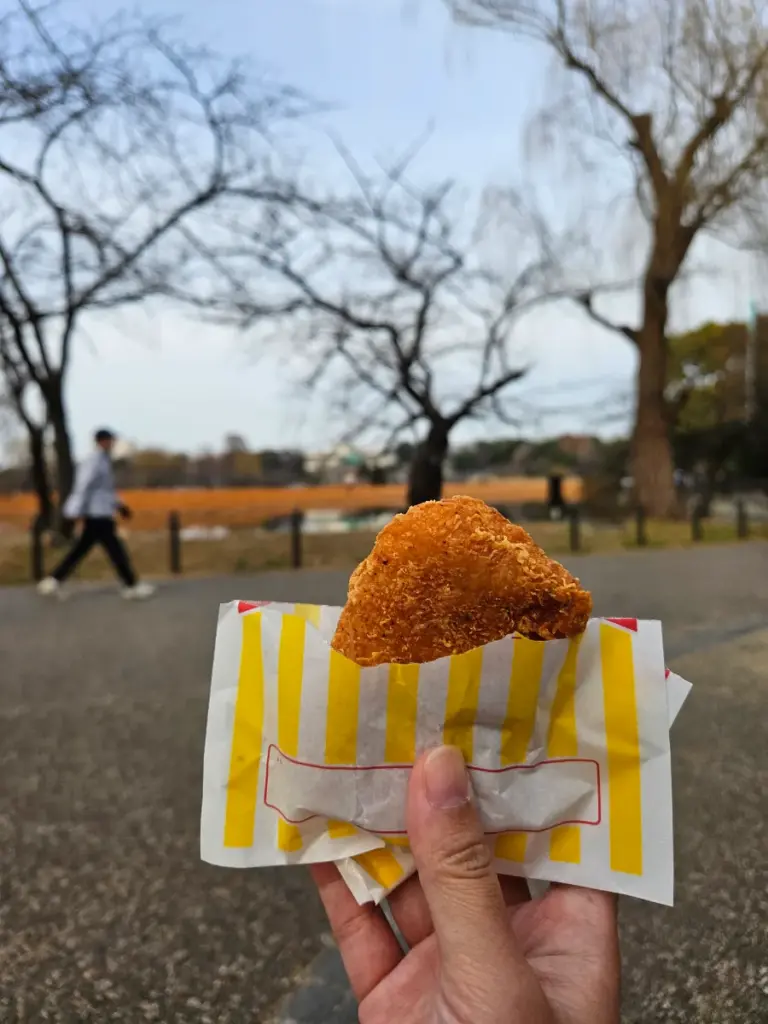
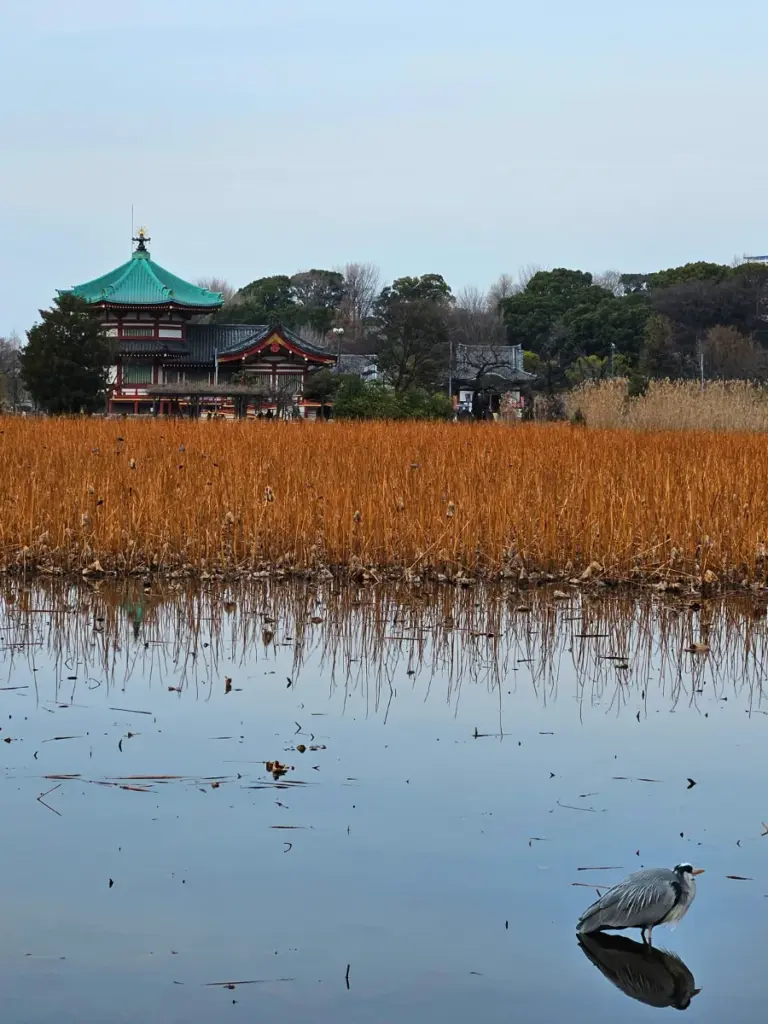
If you visit in the spring, the cherry blossom viewing here is spectacular (but very crowded)!
Akihabara
You can’t go to Tokyo without experiencing the neon sensory overload of Akihabara.
Known as “Electric Town”, you go here to see Japan’s anime, manga, and gaming culture. It’s loud, bright, and chaotic.
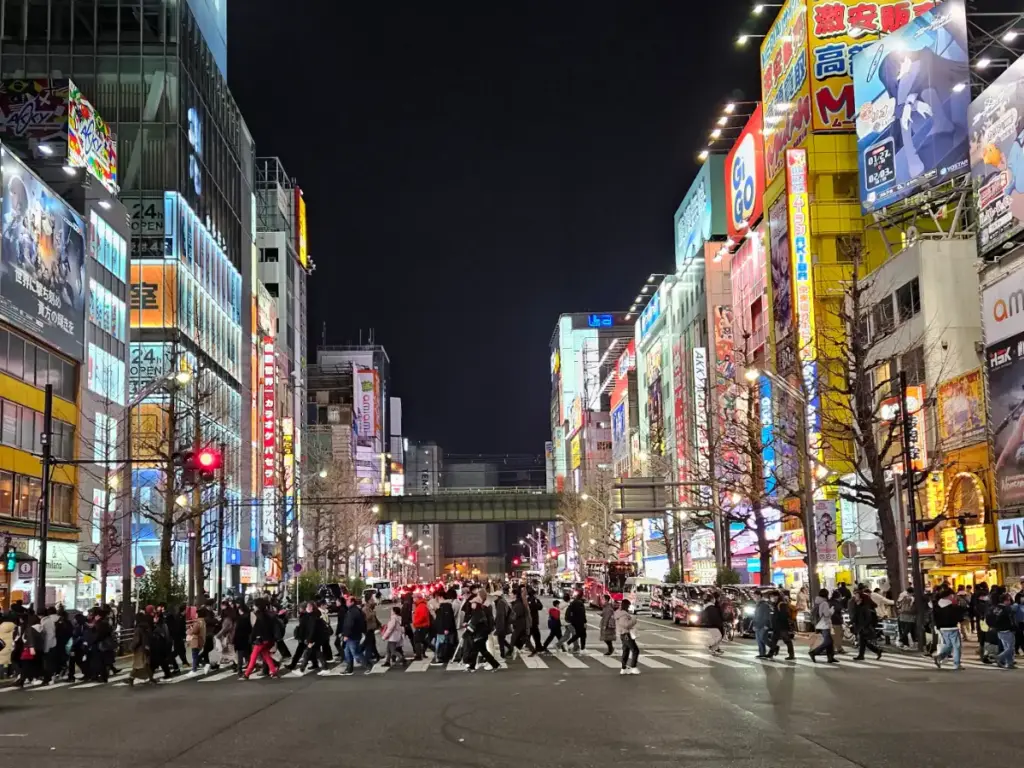
It seems like the opposite of slow travel, but the best way to experience it is to just let yourself get lost. Wander into the multi-story retro video game stores, browse the endless rows of claw machines, and when the electronic noise gets a bit too heavy, duck into a quiet side-street cafe to recharge.
Meiji Jingu
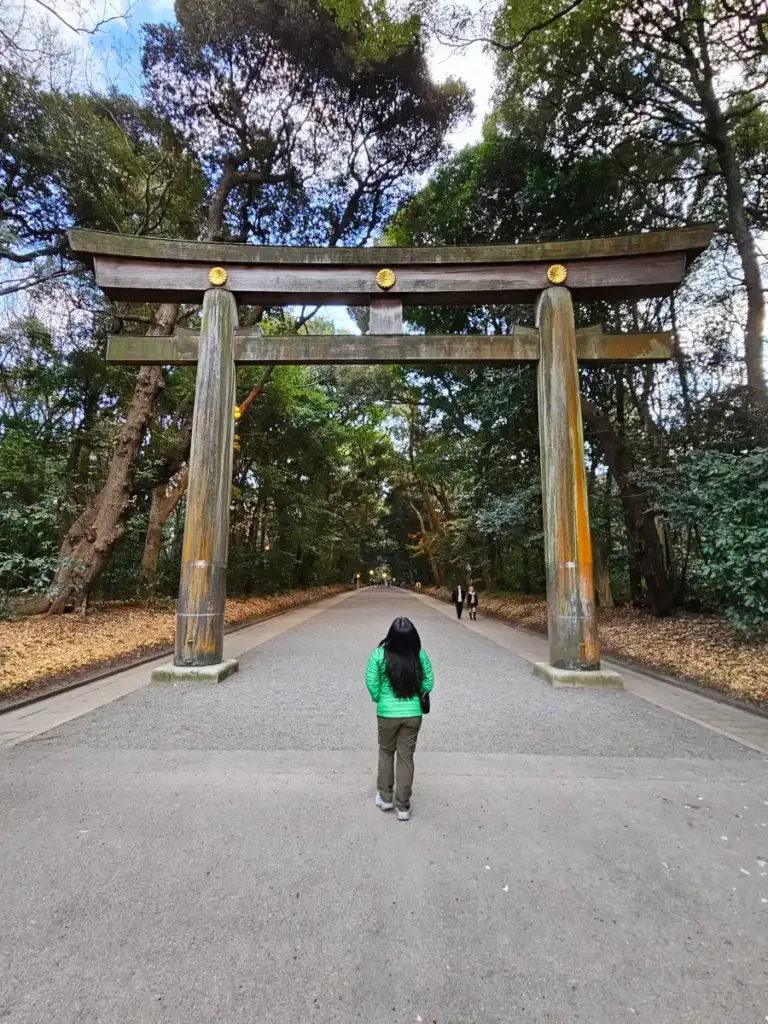
I’m sure you already have Harajuku and Shibuya on your itinerary. But if you ever want a quick break from the hustle and bustle, Meiji Jingu is the perfect escape. It’s located right outside Harajuku Station (or a 20-minute walk from Shibuya Crossing), but it feels like it’s so far removed because the Shinto shrine is surrounded by a massive forest.
The moment you step through the towering wooden torii gate, the city noise just fades away. We loved the slow walk along the wide, tree-lined gravel paths leading up to the main complex. It’s a grounding experience and a great way to reset before going back to the busy city streets.
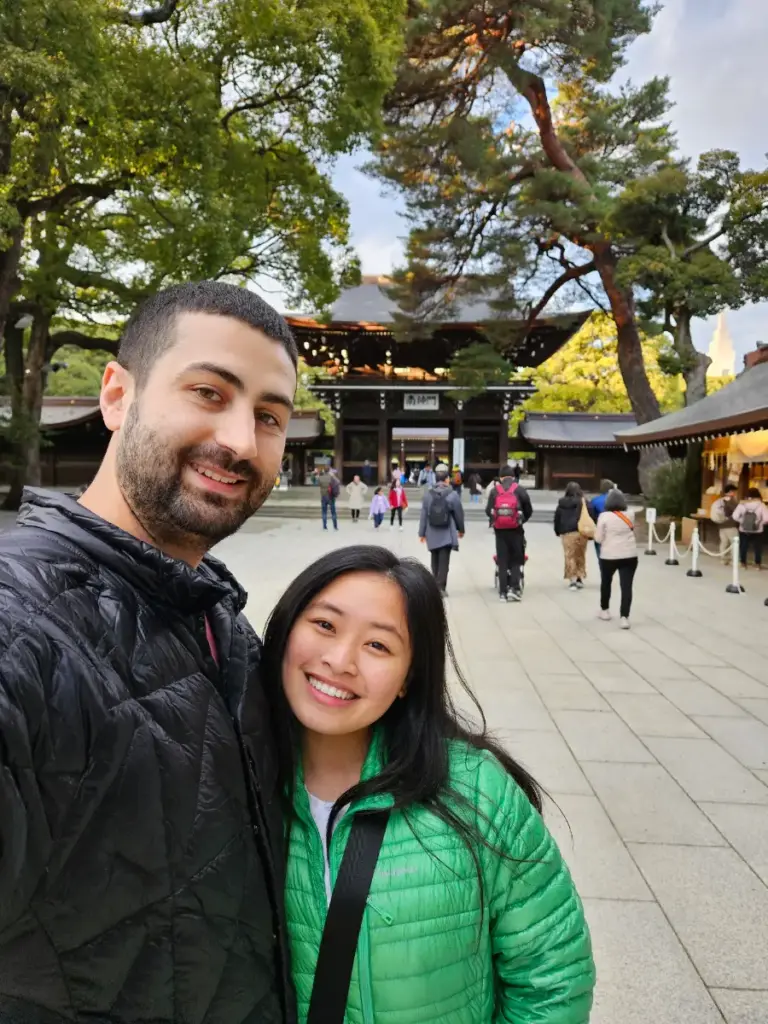
When you get to the shrine, it’s much, much busier compared to the walk leading up to it. But it’s a beautiful place to take in and admire the architecture.
Golden Gai
Another item you really need to add to your Tokyo itinerary is Golden Gai. It’s a network of narrow alleyways packed with over 200 tiny bars. Most only seat about five or six people! (We know because we walked into so, so many that didn’t have room for the two of us.)
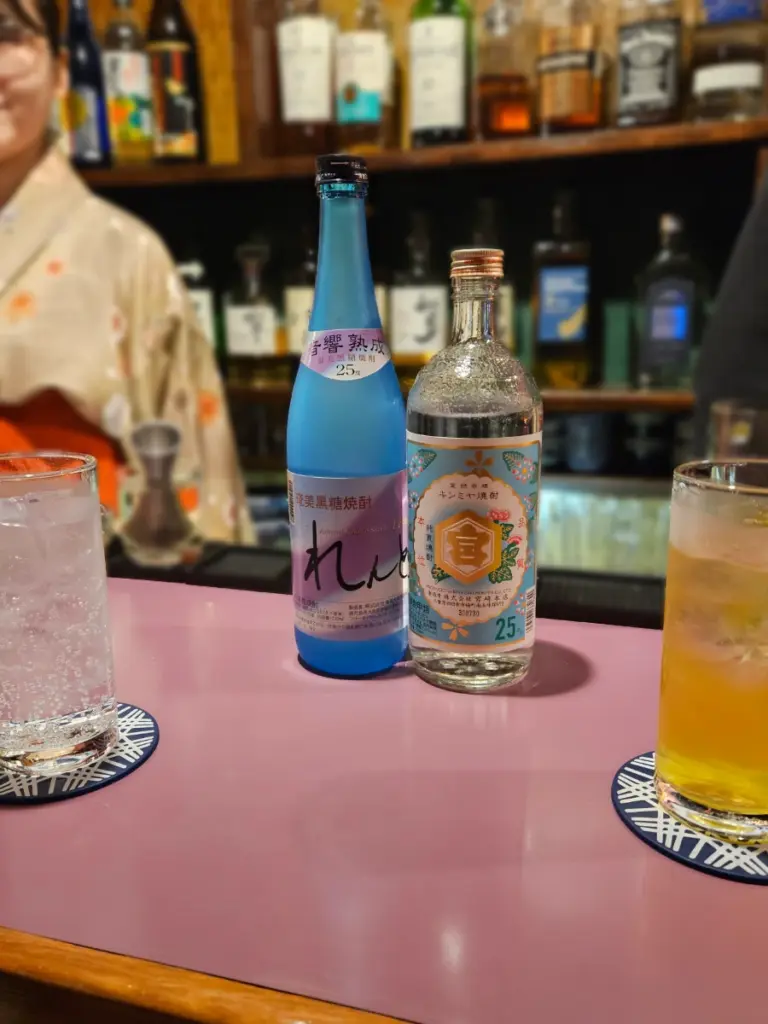
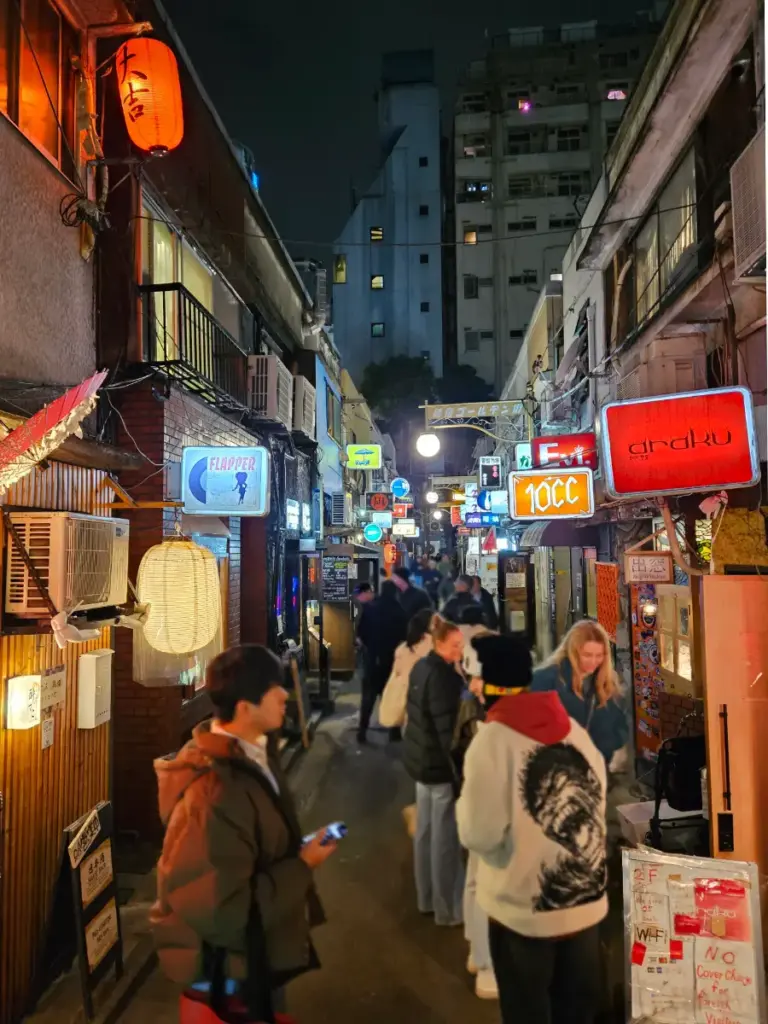
It’s cozy, intimate, and the perfect place to grab a drink and actually have a conversation with the bartender or the person sitting shoulder-to-shoulder next to you. Our bartenders told us stories of their snowboarding trips to Hokkaido (perfect timing because we were gonna be there in a few weeks!) and shared their favorite places to eat nearby.
teamLab
Now I’m sure you’ve heard of teamLab. It’s very, very popular all over social media.
There’s two of them in Tokyo: Borderless and Planets. Both are interactive digital art museums that immerse you in galleries filled with light, sound, and effects.
We visited teamLab: Borderless and it was such a magical experience. And to truly appreciate it, I believe you have to experience it slowly.
In Borderless, the artworks move between rooms and interact with each other. Instead of rushing from room to room trying to snap the perfect photo, I recommend just finding a spot to sit on the floor in one of the larger rooms. Watch how the landscapes shift, how the flowers bloom and scatter over the walls, and how the light moves around you.

It’s a mesmerizing, immersive experience when you just let the art come to you.
Tokyo Tower
While the Tokyo Skytree is the tallest structure in Japan, there’s just something so romantic about the red and white lattice of Tokyo Tower.
You can go straight up to the observation deck and enjoy the tower views, or you can spend some time strolling through nearby Shiba Park. Grab a coffee, sit on a bench, and get fantastic, unobstructed views of the tower framed by the park’s greenery.
My favorite spot to view the Tokyo Tower though is from the Sky Lounge at The Prince Park Tower Tokyo. Tim and I grabbed some drinks and watched the sun set over the city. And then enjoyed the way Tokyo Tower glowed against the night sky.
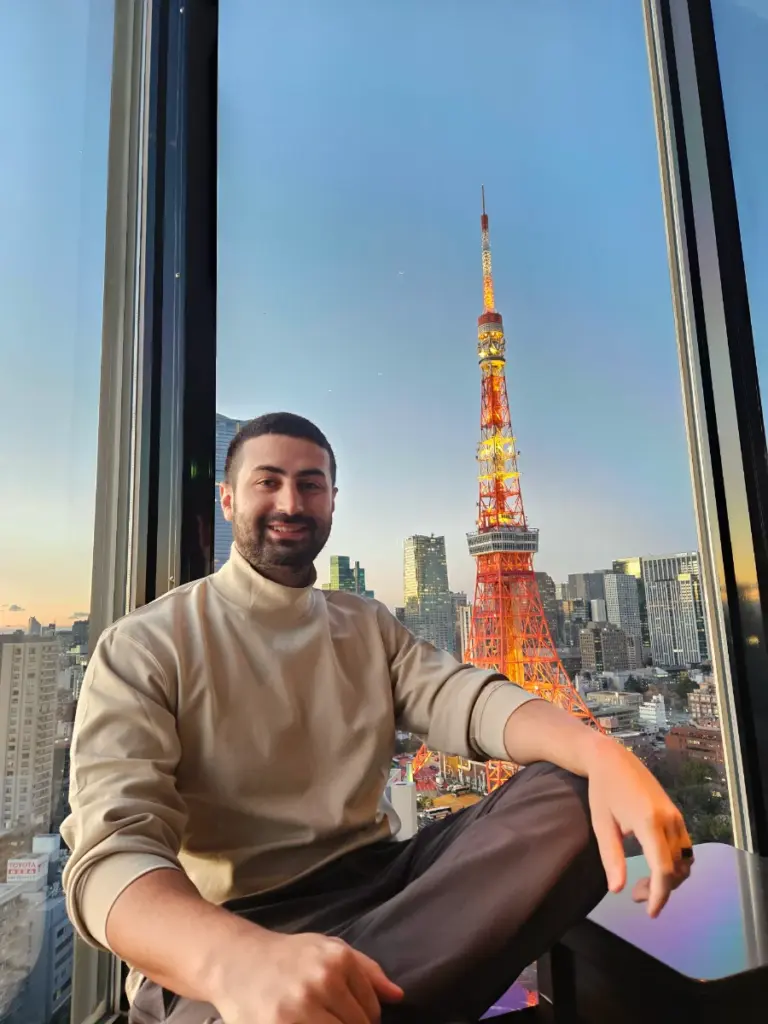
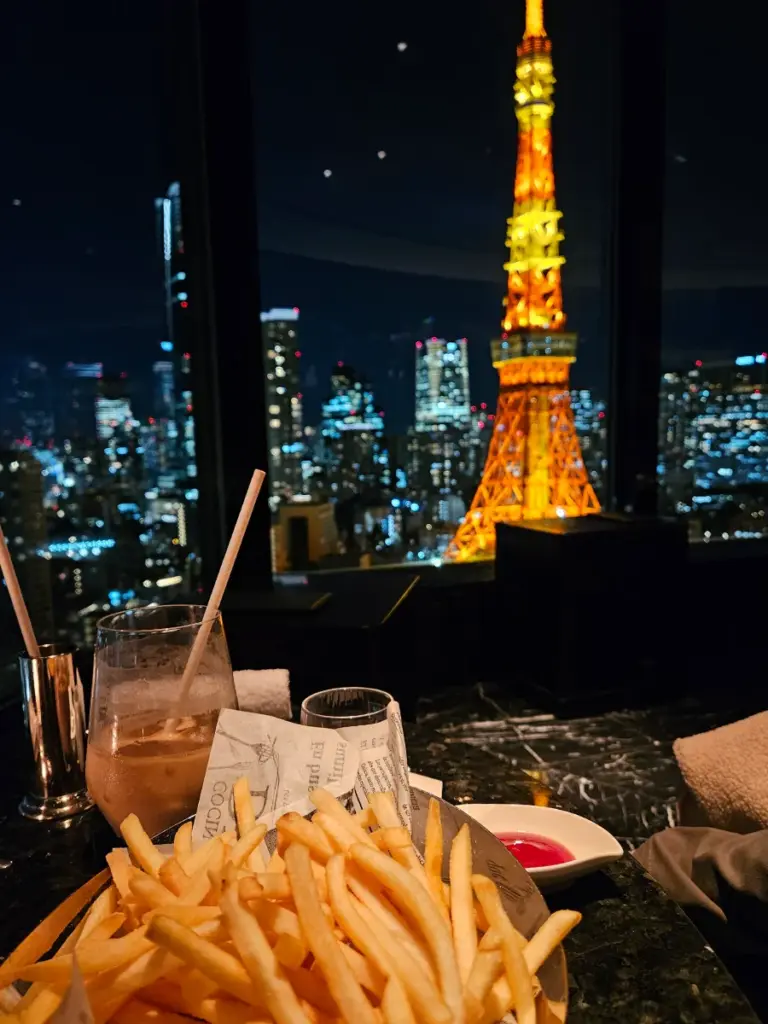
If you want to have great views of Tokyo Tower all throughout your Japan stay, book a room at The Prince Park Tower Tokyo. But make sure you choose the right room before booking!
Tsukiji Outer Market
While the famous Inner Tsukiji seafood market moved to Toyosu a few years ago, the Tsukiji Outer Market still remains. And it’s still a food lover’s paradise.
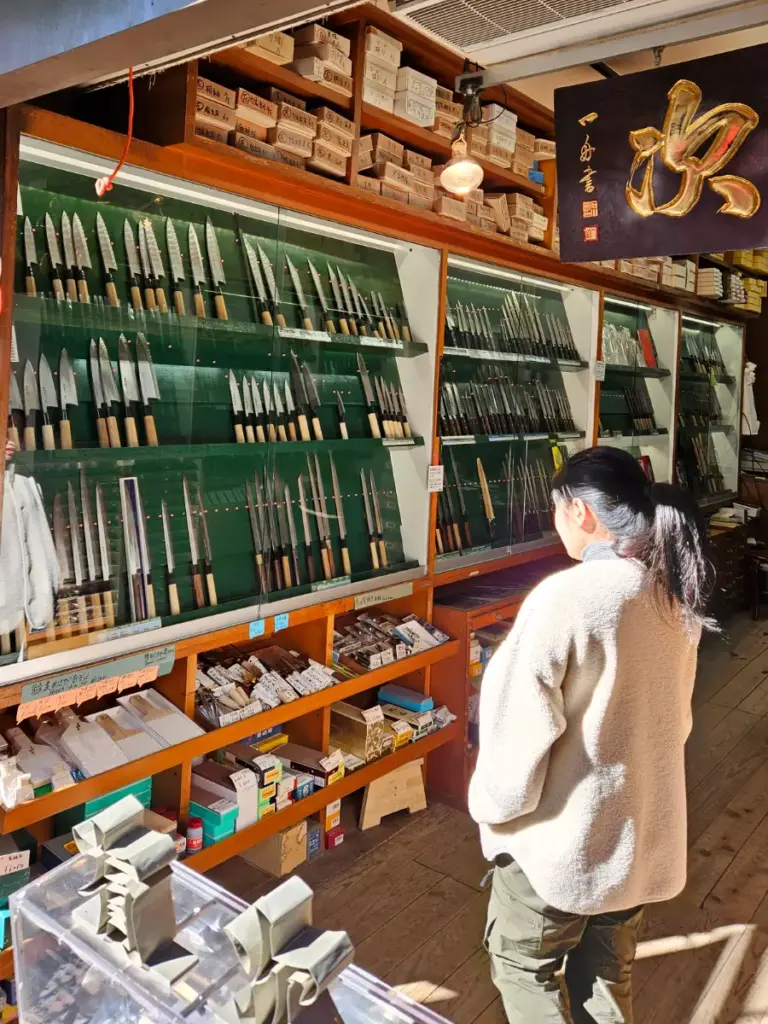
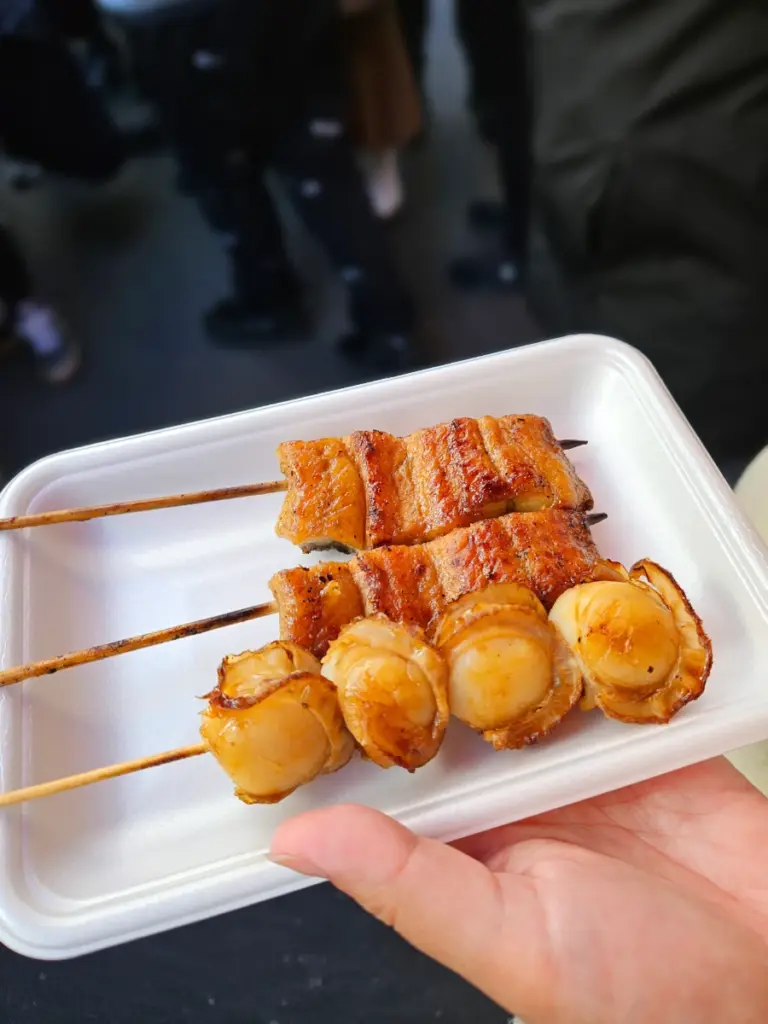
The narrow lanes making up the market are packed with vendors selling everything from fresh uni (sea urchin) and wagyu beef skewers to sweet tamagoyaki (rolled omelets). Arrive early in the morning to avoid the crowds(because the market is also packed with visitors), bring some cash, explore the shops, and slowly eat your way through the alleys.
Trips from Tokyo
Sometimes the best way to enjoy Tokyo is to explore outside of it. Day trips from Tokyo are very common and super easy to do because of the extensive and efficient rail network. But we really, really do suggest spending a little more time in your chosen destinations.
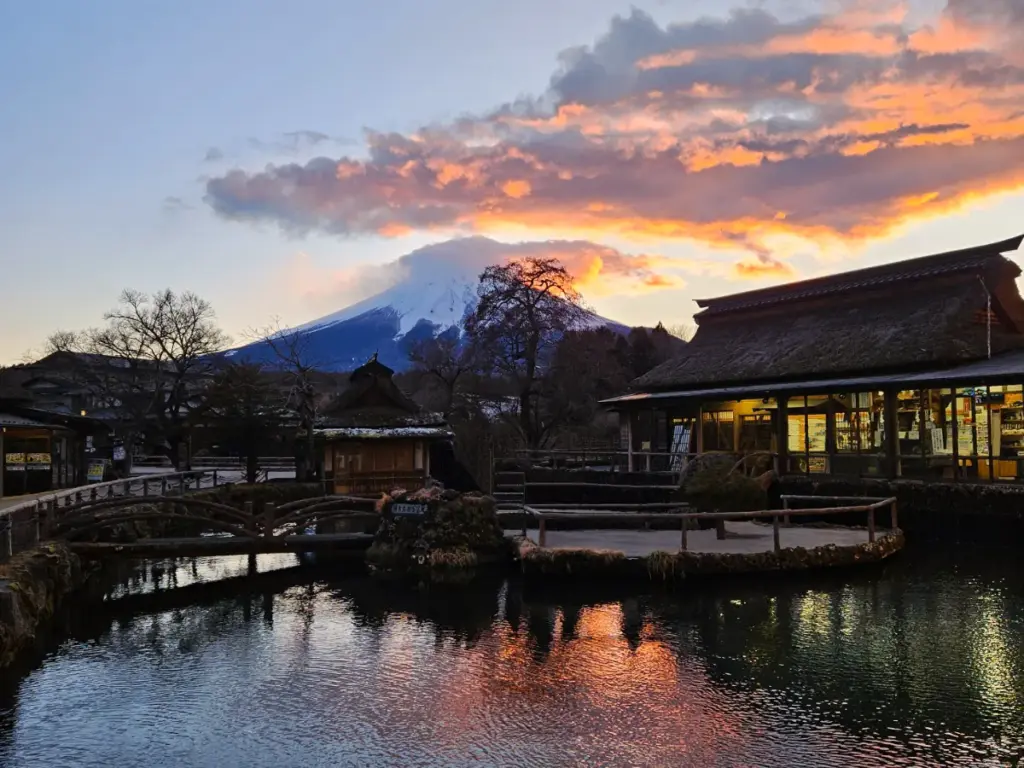
You can book a few days in Hakone or Fujikawaguchiko, staying at a traditional ryokan and soaking in a hot spring (onsen) while enjoying glorious views of Mt. Fuji.
You can take a short train ride down to Yokohama to enjoy the ocean breeze and incredible food.
You can visit the UNESCO World Heritage sites and enjoy the nature in Nikko.
If you are adding any of these areas to your itinerary, take advantage of the regional passes available. There’s the Hakone Free Pass that covers your round-trip from Shinjuku plus all the cable cars, ropeways, and even a pirate ship cruise on Lake Ashi. There’s the Nikko Pass which is the most cost-effective way to get from Tokyo (Asakusa) to the shrines and national parks of Nikko. Or you can get the JR Tokyo Wide Pass that gives you 3 days of unlimited travel on JR trains (including many Shinkansen!) within the Kanto region.
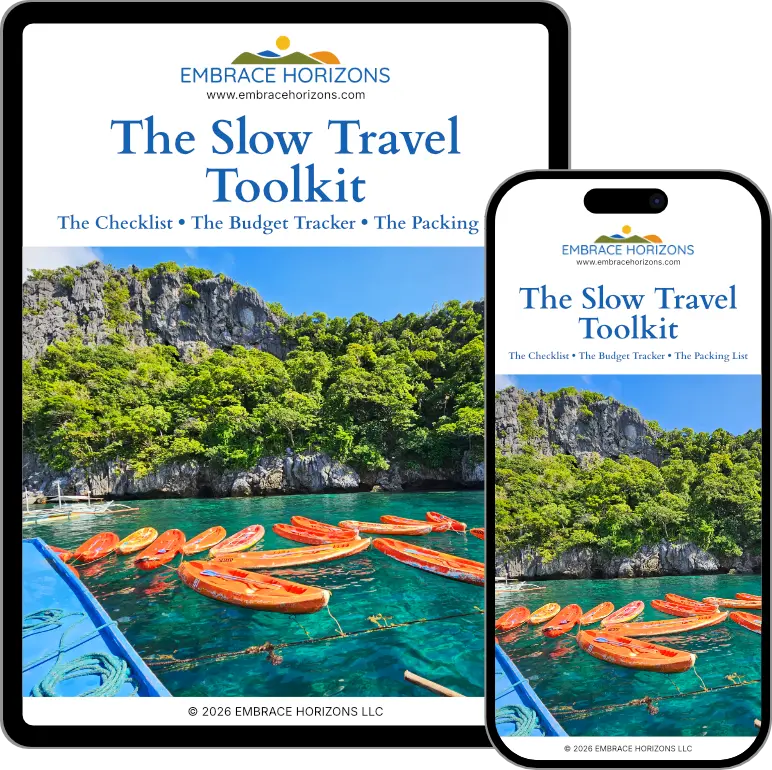
Planning your next trip but don’t know where to start?
Join our newsletter to get our free Slow Travel Toolkit!
It includes our essential pre-departure checklist, a budget guide and tracker, and the packing list we used for 15 months of travel.
Where to Eat in Tokyo
If there’s one thing Tim and I love more than anything, it’s eating. We travel to eat.
When you look up the best places to eat in Tokyo, you’ll see a lot of advice about making reservations months in advance or showing up to someplace hours before opening to secure a spot. But honestly, the best meals we had were the ones we found by chance.
Some of our absolute favorite memories were completely spontaneous. Like ducking into a tiny, local spot for a rich bowl of seabura ramen. Or following our noses and having amazing katsu curry. Or sitting shoulder-to-shoulder with locals for some late-night aburasoba.
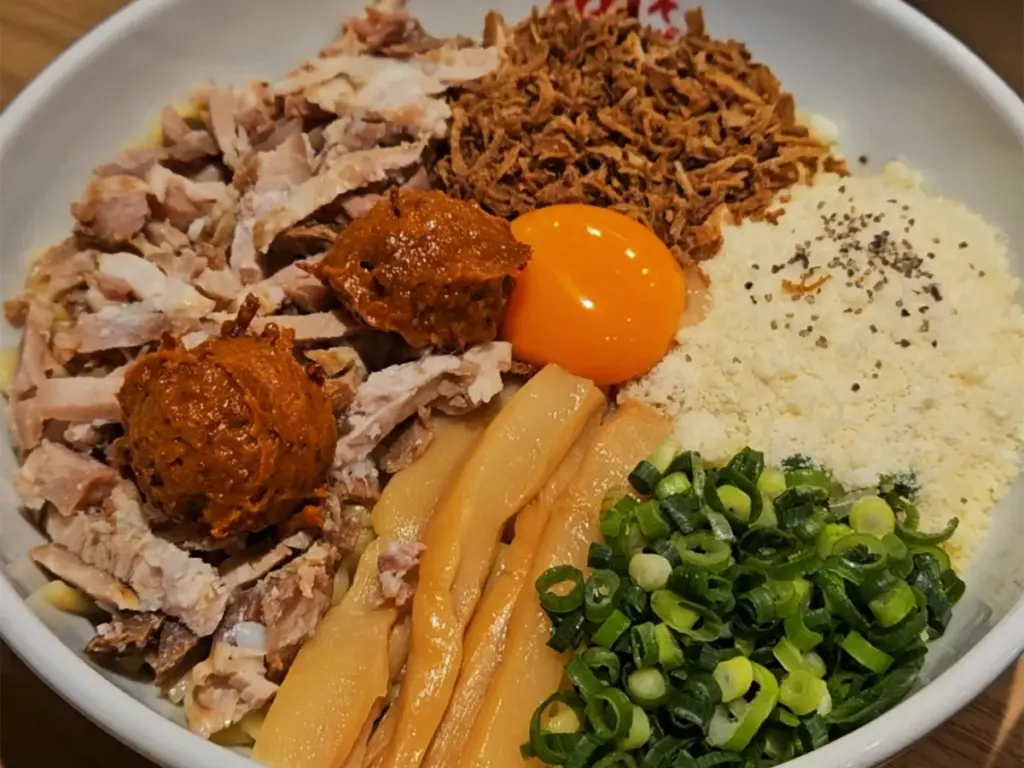
For a truly slow travel experience, I recommend sampling coffee shops in the morning to find your favorite one. Finding a lunch spot the locals frequent and ordering something completely new. Cooking your own monjayaki on a hot tabletop grill with a bottle of Hoppy in hand.
Tokyo’s food scene is so massive. The possibilities are endless. So we put together a dedicated guide on how to eat your way through the city without the stress.
Where To Stay in Tokyo
Where you stay shapes your entire experience, so finding the right homebase should be at the top of your list when planning your Tokyo itinerary.
Tokyo is made up of a collection of neighborhoods, each with its own highly distinct personality. Here are some of the most popular areas to consider, depending on what kind of vibe you’re looking for.
Shinjuku & Shibuya
If you want to be right in the thick of the iconic, bright lights of Tokyo that you see in the movies, Shinjuku and Shibuya are where it’s at.
You’ll have unbeatable access to public transportation, endless shopping, and legendary nightlife spots. There’s no shortage of things to do and places to see and food to eat. Just keep in mind that the energy here is 24/7, so it can be a bit overwhelming if you’re looking for a quiet retreat at the end of the day.
Asakusa & Ueno
The Asakusa and Ueno areas aren’t as busy as others like Shibuya and Shinjuku, but there’s still plenty of things to do there.
These areas have an “Old Tokyo” vibe. Think temples, workshops, street food, and narrow, old-fashioned streets. It’s also more budget-friendly than the west side of the city!
We stayed at the APA in Asakusa during our Tokyo trip, and I personally loved trying out different ramen shops to find my favorite, enjoying coffee (and a donut!) in the many coffee shops in the area, and strolling along the Sumida River towards the Tokyo Skytree.
If you want to wake up near historic temples, easily grab street food like takoyaki, and end your day with a quiet stroll along the Sumida River, this is the place to be.
Ginza & Central Tokyo
For a more elegant vibe, Ginza and the central Tokyo area are great options.
It’s known for high-end boutiques and an incredible dining scene. And on the weekends, some streets are closed off to traffic. This makes it a surprisingly relaxing place to just stroll, people-watch, and window shop.
It’s also very central and very close to Tokyo Station. So it’s super convenient if you plan on taking train trips outside of Tokyo.
Odaiba & Toyosu
If you want something by the water, Odaiba and Toyosu are fantastic options. It’s built on reclaimed land, and it’s got views of the ocean and the Rainbow Bridge.
This area is home to teamLab: Planets and the massive Toyosu Market, where the city’s famous seafood auctions take place.
Planning Your Tokyo Itinerary
Now that you have an idea of where to go and what to do, let’s talk logistics.
Tokyo is easy to get around in, but knowing a few practical details before you land will make your slow travel adventure so much smoother.
The Best Time to Visit Tokyo
Tokyo is beautiful all year round, but the timing of your visit will definitely impact the pace of your trip.
- Spring (March to May) and Autumn (September to November) are incredibly popular because the weather is mild, and you get to experience the cherry blossoms or the autumn leaves. This is also when the city is the most crowded. If you visit in the spring, I recommend avoiding Golden Week (national holidays from late April to early May).
- Summer in Tokyo is hot and humid. So if you visit in July or August, be prepared to embrace a truly slow pace. Think outdoor activities in the early mornings and hiding out in air-conditioned cafes or museums during the afternoon heat.
- Winter (December to February) is actually a fantastic time for slow travel. This is when we visited! The air is crisp, the skies are usually clear (giving you the best chance to see Mt. Fuji in the distance!), and there’s less tourist crowds.
Tokyo Customs and Etiquette
Tokyo functions as well as it does because of a strong culture of respect and consideration. Keeping a few local customs in mind goes a long way:
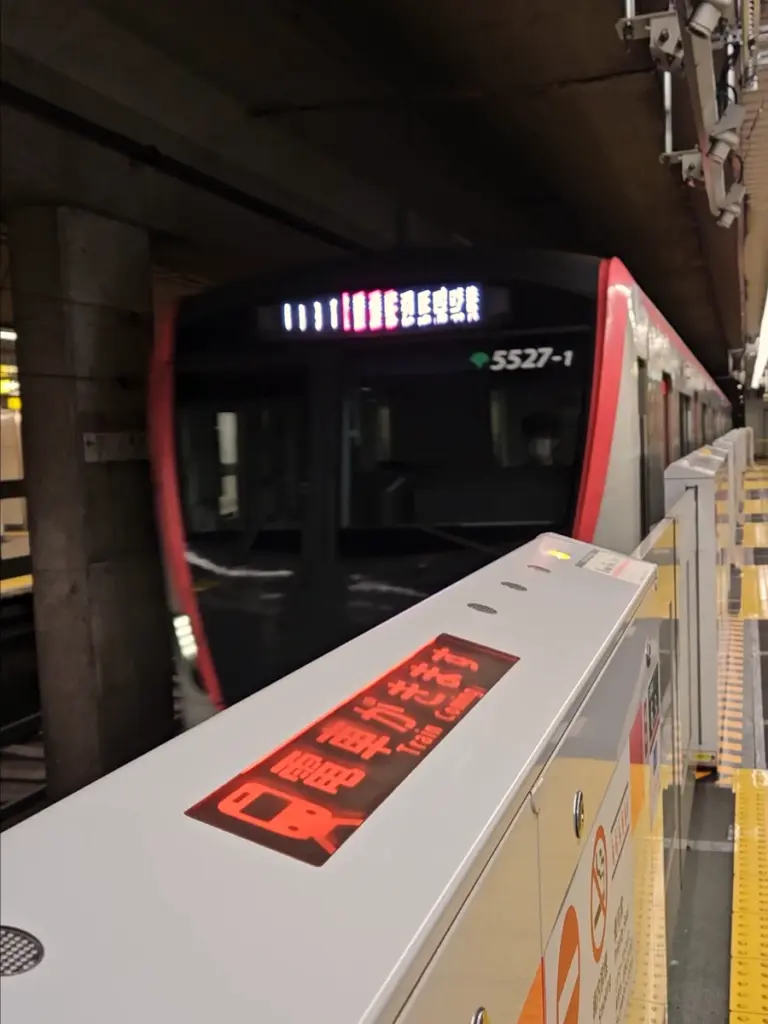
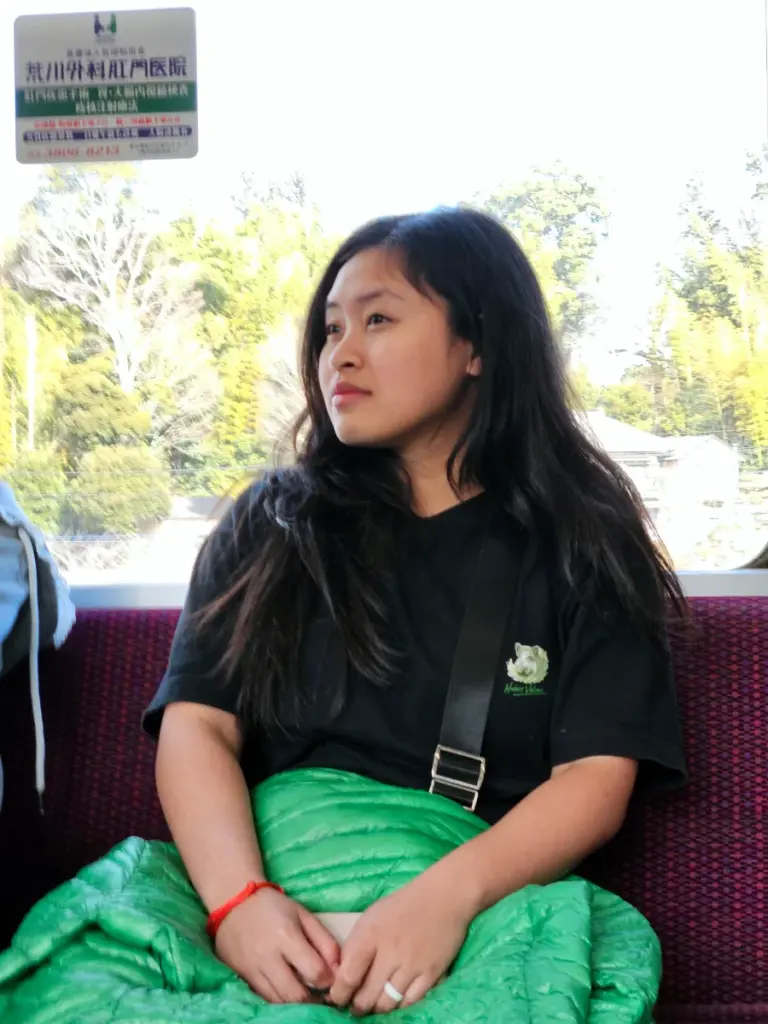
- On Public Transport: The trains in Tokyo are quiet. Keep your phone on silent, refrain from taking phone calls, and keep conversations with your travel partners hushed.
- Riding Escalators: In Tokyo, you stand on the left side of the escalator and walk on the right.
- Eating on the Go: While street food is everywhere, walking while eating is generally frowned upon. If you buy a snack from a stall or a convenience store, find a quiet spot nearby to stand and enjoy it, or eat it right by the vendor before moving on.
- Trash Cans: You won’t find many public trash cans on the streets of Tokyo! Locals carry their trash with them until they get home. I suggest keeping a small plastic bag to hold onto your wrappers until you find a bin (usually located inside train stations or next to vending machines).
Managing Cash vs. Card
Tokyo is much more card-friendly than it used to be. You can use credit cards for most hotels, large restaurants, and department stores.
And as mentioned earlier, having an IC card makes paying for transit and convenience store snacks so easy.
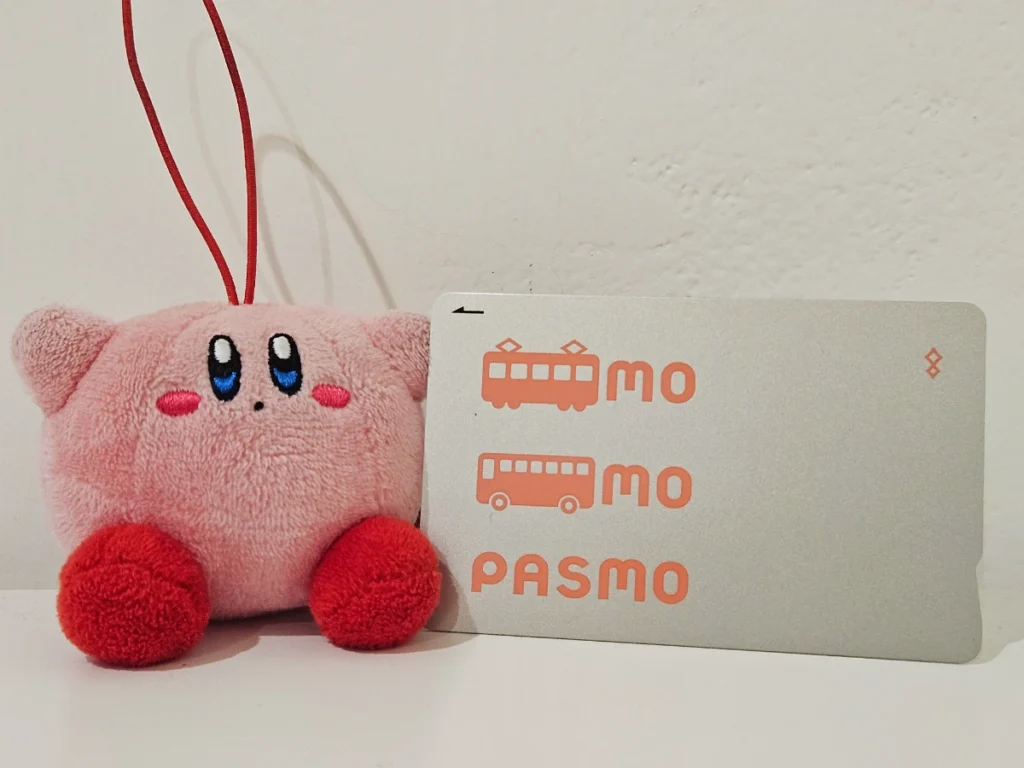
However, cash is still king in many situations. You will definitely need yen for reloading IC cards, making offerings at shrines, grabbing street food, and hopping between those tiny, cash-only bars in Golden Gai.
Don’t worry about exchanging all your money at the airport. You can easily withdraw yen as you need it from the ATMs located inside any 7-Eleven, FamilyMart, or Lawson convenience store.
Conclusion
Tokyo is a city that can easily overwhelm you because there’s just so much to do. But we absolutely loved the chaos. If you take a deep breath, group your plans thoughtfully, and let yourself be spontaneous, you’ll have so much fun too!
Remember, the goal of a slow travel Tokyo itinerary isn’t to check off every single temple, tower, and trendy cafe. It’s about finding the joy in a quiet morning walk through a shrine, the thrill of finding a hidden ramen shop, and the peace of sitting back and just watching the city glow at night.
Take your time. Wander down that narrow alleyway. Let the city surprise you.
What are you most excited to add to your Tokyo itinerary? Let us know in the comments below!

Leave a Reply