
When I think about my time in Tokyo, food is so deeply entwined in the narrative. Good food will probably forever be my weakness. And Japan has no shortage of good food.
The 7-Eleven egg sandwiches are among my top favorite egg sandwiches and they come from a convenience store.
This Tokyo food guide won’t have the restaurants you’ll typically find popular on TikTok, or the spots that people wait in long lines for. And trust me, we visited those as well.
But we ended up falling in love with the less busy establishments that we mostly found by chance.
So follow along and we’ll show you our favorite places to eat that you should definitely add to your Tokyo itinerary. From sushi shops where we’re standing shoulder-to-shoulder with locals to noodle shops suggested by friendly bartenders in Golden Gai.
Table of Contents
Noodles & Late-Night Comforts
Seabura Ramen
On our very first night in Japan, Tim and I were too tired to Google “where to eat in Tokyo” and take a train there. So we decided to walk around our area (we were staying in Asakusa) and just go to whatever restaurant caught our eye. Not even five minutes into our walk, we found the red lanterns of Genraku.
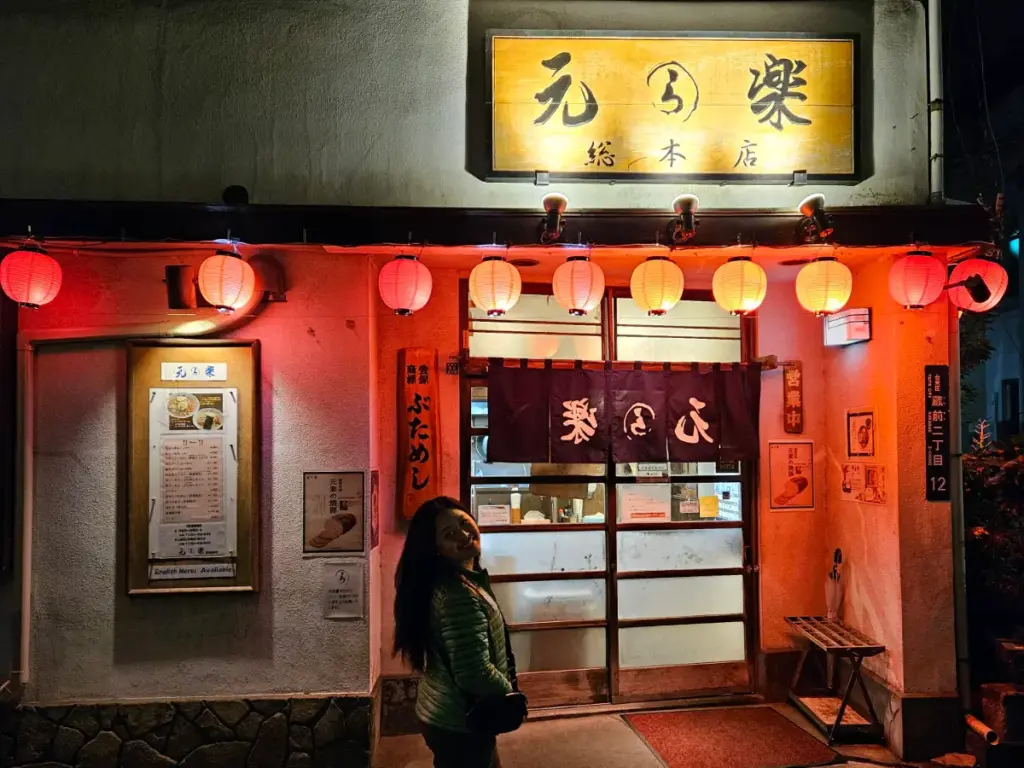
Genraku is a tiny ramen shop where you sit on individual counter seats (with wooden partitions dividing each seat) and you order your meal through a cash-only ticket machine. There’s an English menu available on the side of the machine, but the buttons you’re clicking to place your order are in Japanese.
We ordered shoyu ramen (a classic ramen with a soy sauce base) and a pork rice bowl called butameshi.
When we were handed our ramen by the chef on the other side of the counter, I actually thought that they had gotten our order wrong. Because instead of the clear, almost mild-flavored ramen I was expecting, we had received a bowl glistening with oil.
This is how we found out about seabura -or pork back fat- ramen.
Now you might be thinking “Whaaaaat? Back fat? Crazy! That’s gotta be too heavy!”
And I will tell you that no, it was not too heavy at all.
In fact, it was so delicious and so balanced, with the perfect amount of richness and saltiness in the broth. The noodles were springy, the green onions giving a quick punch of freshness and flavor, and the chashu pork melting in the mouth.
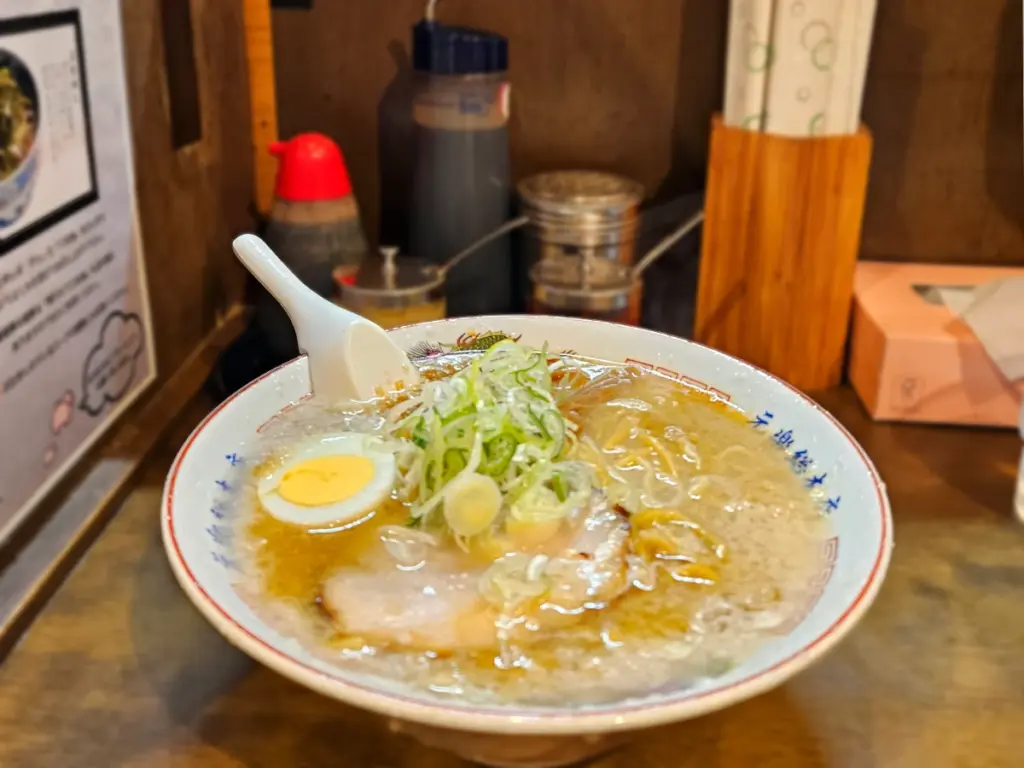
I turned to Tim and told him that this was the best ramen I’d ever had in my life. He turned to me and told me that this was only our first day in Japan. (It ended up being my favorite noodle dish in Tokyo.)
I honestly forgot about the rice bowl (we didn’t even get to take a picture because we were too obsessed with the ramen) which is sacrilege because it was also very yummy. The pork topping the rice is the same chashu pork as in the ramen, and it’s served with fresh pressed sesame oil which I didn’t think would taste all that different from regular sesame oil but boy was I wrong. It added a really intense nutty flavor to the rice bowl that went so well with the seaweed sprinkled on top.
Abura Soba
While seabura ramen was my favorite noodle dish in Tokyo, Tim’s favorite will always be abura soba (soupless ramen with chewy noodles and a delicious sauce).
To tell you how we found out about abura soba in the first place, I’ll have to take you back a few hours to when Tim and I were sitting at a bar in Golden Gai.
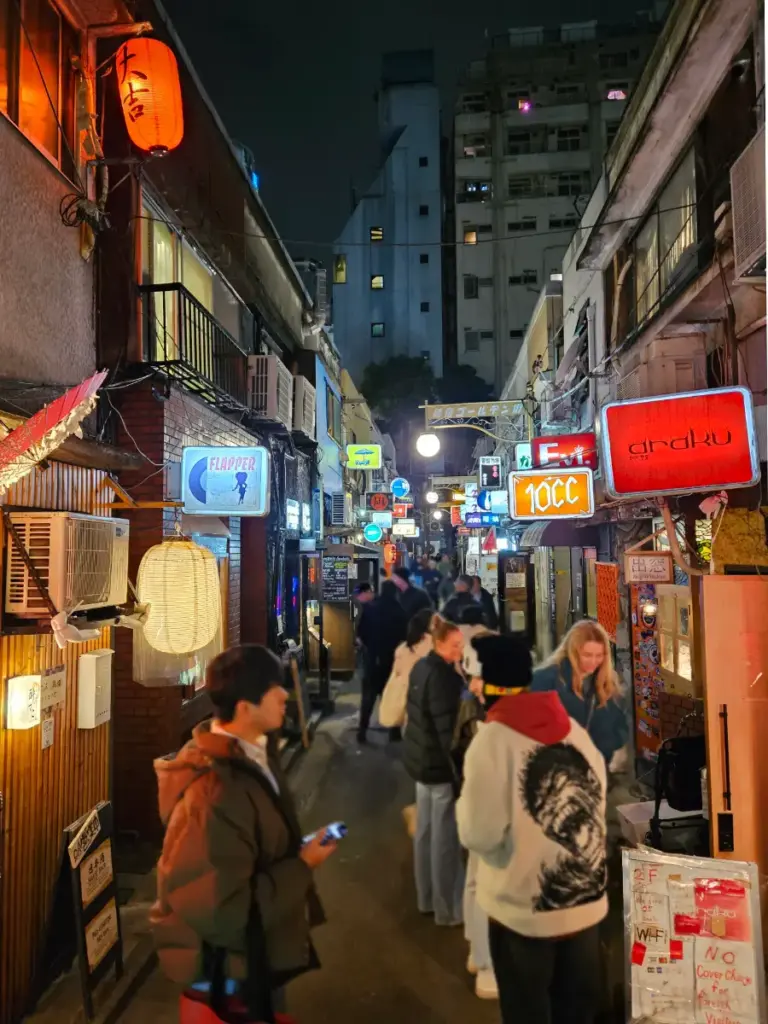
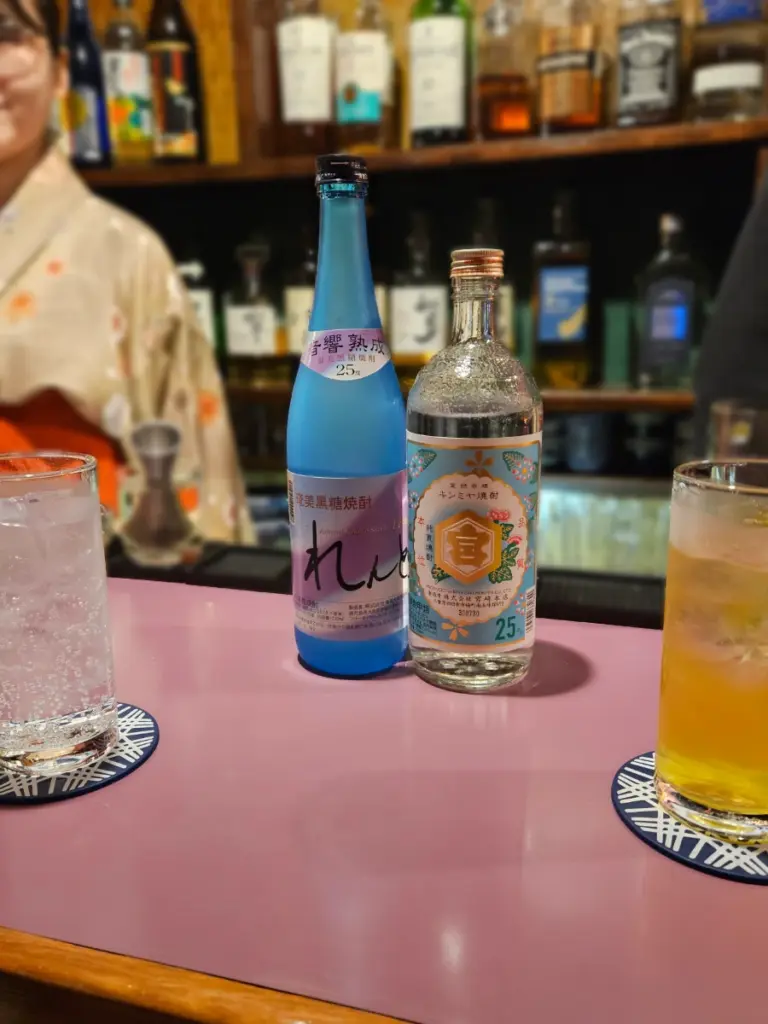
I’m not sure we even knew what the bar was called, but we ended up ducking into a tiny establishment where a lady in a floral kimono greeted us with a smile, and a man in a black sweater greeted us with an enthusiastic “Hello!”
Long story short, we ended up chatting with them (using a mix of English and Google Translate) and they shared their favorite places to eat in Tokyo, or at least in the Shinjuku area. Hers was a niboshi ramen (where the ramen broth is made from dried sardines) from Ramen Nagi, and his was abura soba from Ganso Aburado.
Both restaurants are local chains with locations super close to Golden Gai. And their hours of operation reflect that. Ramen Nagi is open 24 hours daily, and Ganso Aburado is open from 11am to 5am.
So after exploring the alleyways of Golden Gai, Tim and I decided to go to Ganso Aburado to have our first try of abura soba.
We once again placed our orders at the cash-only ticket machine and once again sat on counter seats (this time without the wooden partitions) to wait for our order.
Our massive bowl of noodles arrived super quickly. Various toppings (we had chashu pork, green onions, spicy garlic paste, fried onions, parmesan cheese and an egg yolk!) were placed in their own little sections on top of the chewy noodles. It was honestly a bit hard to mix everything using chopsticks because of the amount of ingredients in there!
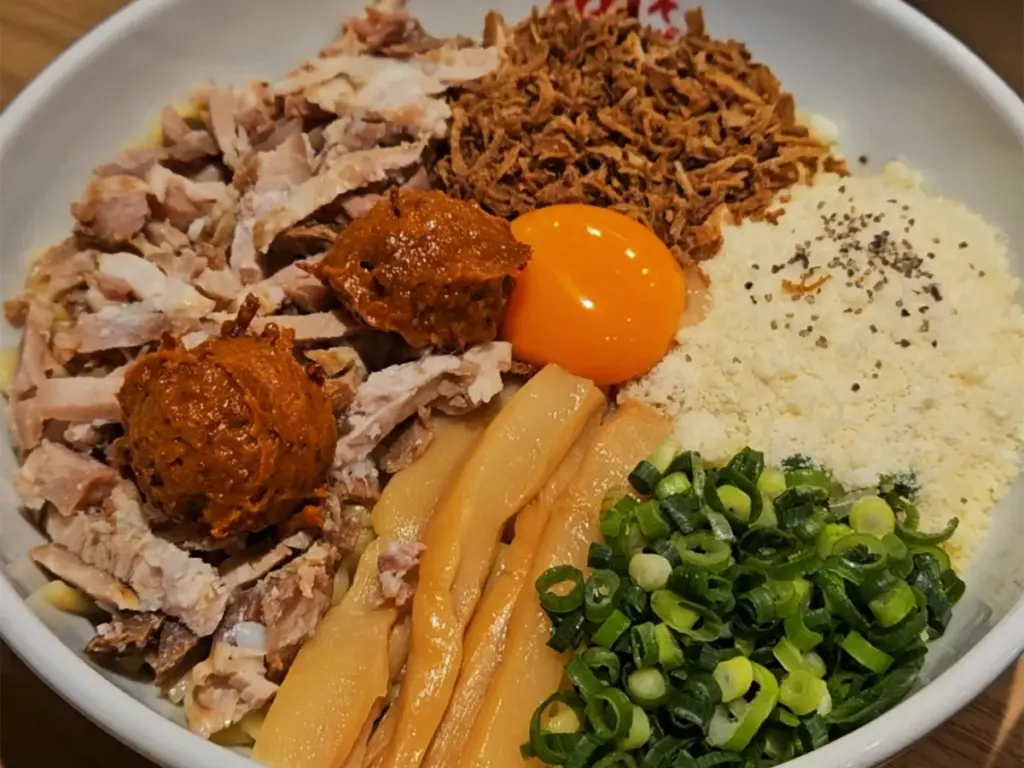
But the mixing was totally worth it because it led to this amazing blend of flavors that paired perfectly with the chewy mouthfeel of the noodles.
And if you want to mix the flavors up a little more, the restaurant offers a bunch of free condiments you can add to your already packed bowl, like various spices, vinegar, chili oil, and pickled ginger.
After we finished our noodles, there were still remnants of sauce and other bits left in our bowl. This is when we moved on to Step 2 of the meal.
We were instructed by our friendly bartender to order a cup of plain rice, dump it into the bowl, pour hot soup (provided by the restaurant for free) over the whole thing, mix it up, and enjoy every last drop.
We did just that. And we did enjoy every last drop.
Tonkotsu Ramen and Tsukemen
On the final installment of Noodles & Late-Night Comforts, I present you with not one but two noodle dishes. This time from a ramen shop right outside our hotel, Musasanjin.
Tonkotsu ramen and tsukemen are not new to us. We ordered these two dishes A LOT when we were still living in LA.
But this time, we were ordering them at 11pm after a long day of exploring teamLab Borderless and having drinks with the best night view of the Tokyo Tower.
Once again, Tim and I walked into a restaurant and placed our order in a (you guessed it) cash-only ticket machine, and sat on (you guessed it, again!) counter seats to wait for our orders.
Tim got a spicy tonkotsu ramen and I got a bowl of tsukemen and we ordered a plate of gyoza to share.
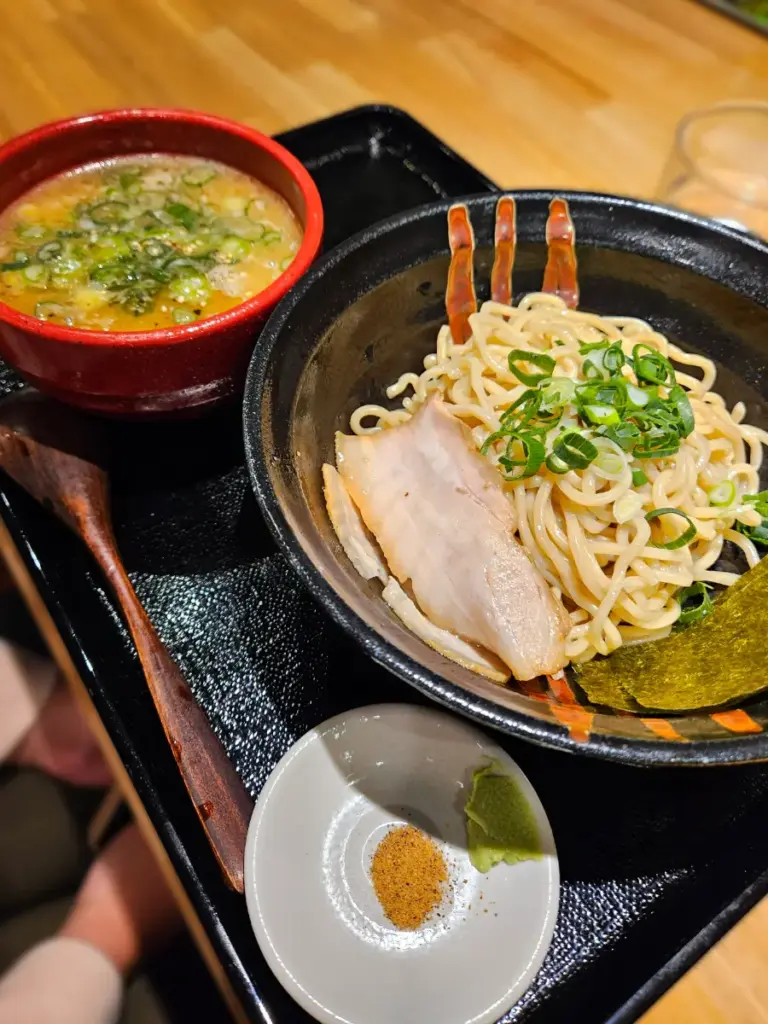
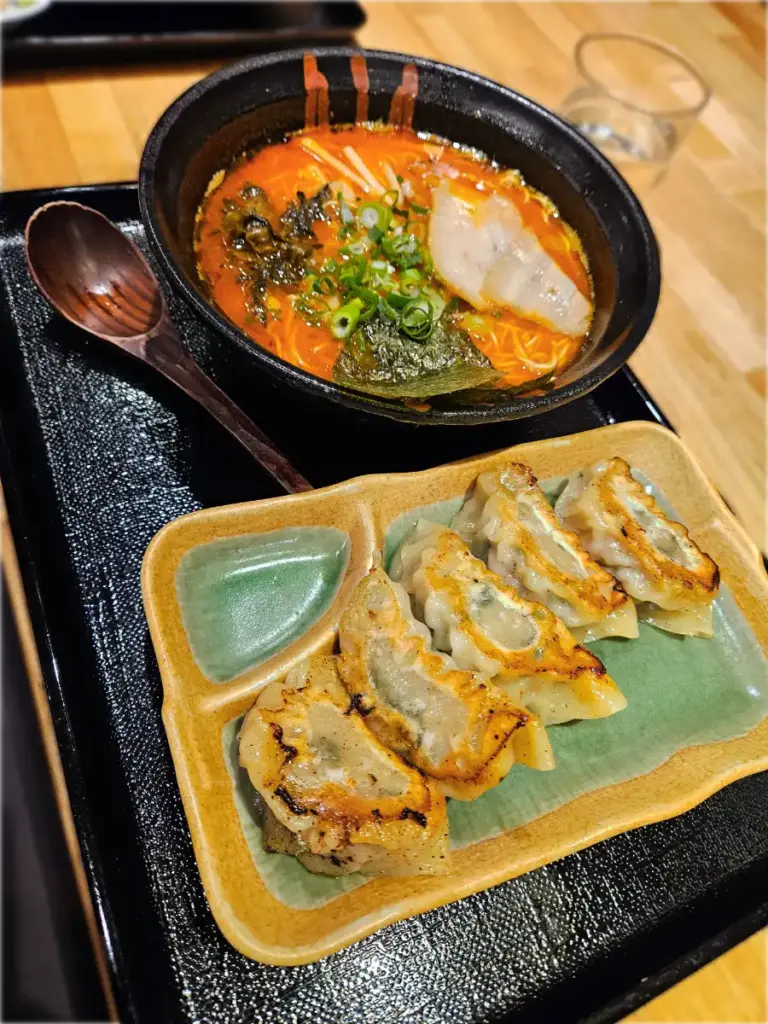
The ramen was deliciously spicy, with a rich pork bone broth and thin noodles.
My tsukemen was just as delicious. If you haven’t tried it yet, let me give you a quick breakdown.
Tsukemen is a dish where you get cold (or room temperature) ramen noodles and a separate bowl of hot broth. The noodle is typically chewier than the regular ramen noodle, and the broth is thicker and has a more concentrated flavor.
What you do is pick up some of the noodles, dip it in the broth, and then eat it. Super simple.
I personally love tsukemen because it’s such a contrast. You get this cold, chewy noodle at the same time as this hot broth in one mouthful. Plus, they served the tsukemen with wasabi for a great change of flavor every few bites.
The gyoza were delicious pockets of flavor, but definitely took a backseat to the noodles.
Spontaneous Dinners & Local Spots
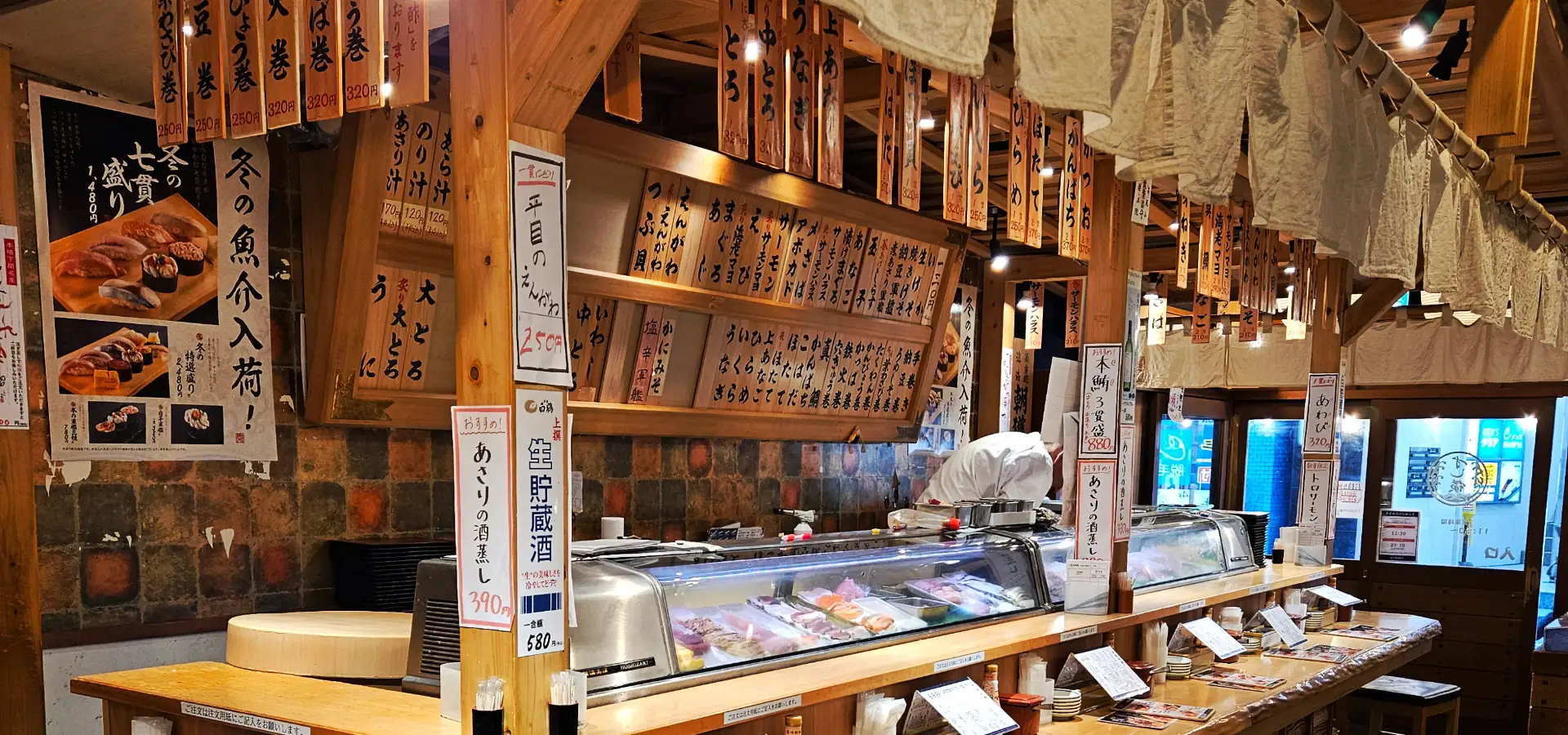
Standing Sushi
When Tim and I landed in Tokyo, it was in the winter. And we didn’t really have any winter clothes. So the first step in our Japan adventure was shopping around in Shinjuku for winterwear.
That’s how we ended up in Tachi Sushi Yokocho.
After a busy morning visiting endless shops, we ducked into one of the many restaurants lining Kokusai Dori for lunch. Despite not being able to read the name of the restaurant, we knew it was a sushi place based on the sign they had outside featuring their various sushi lunch sets.
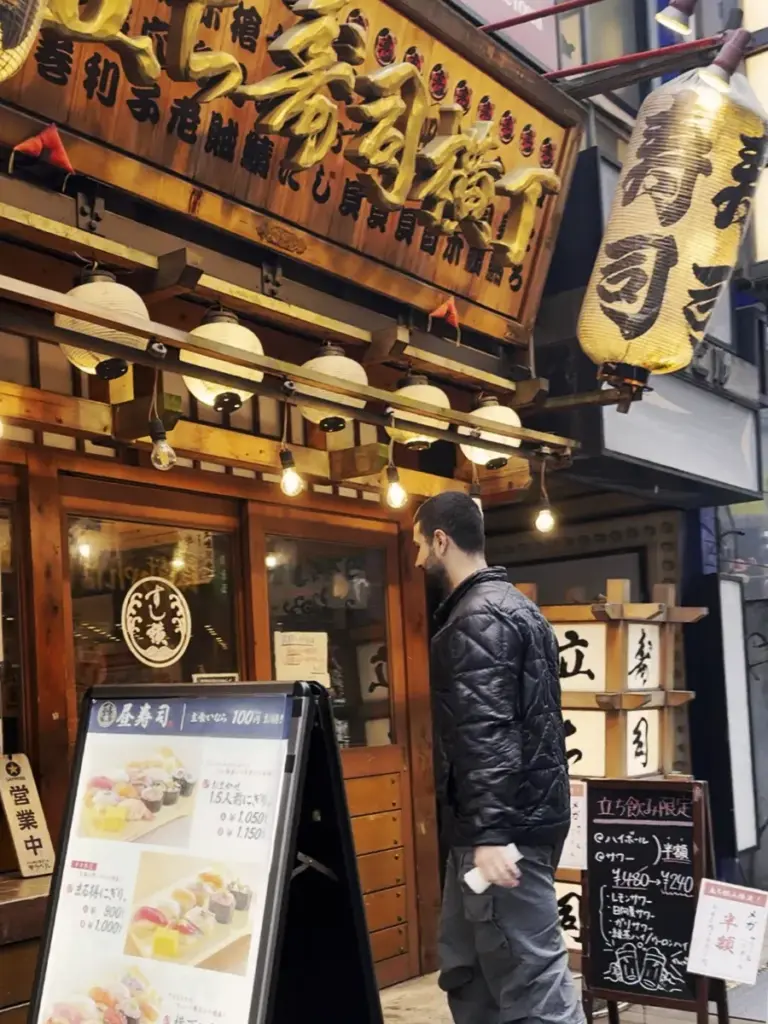
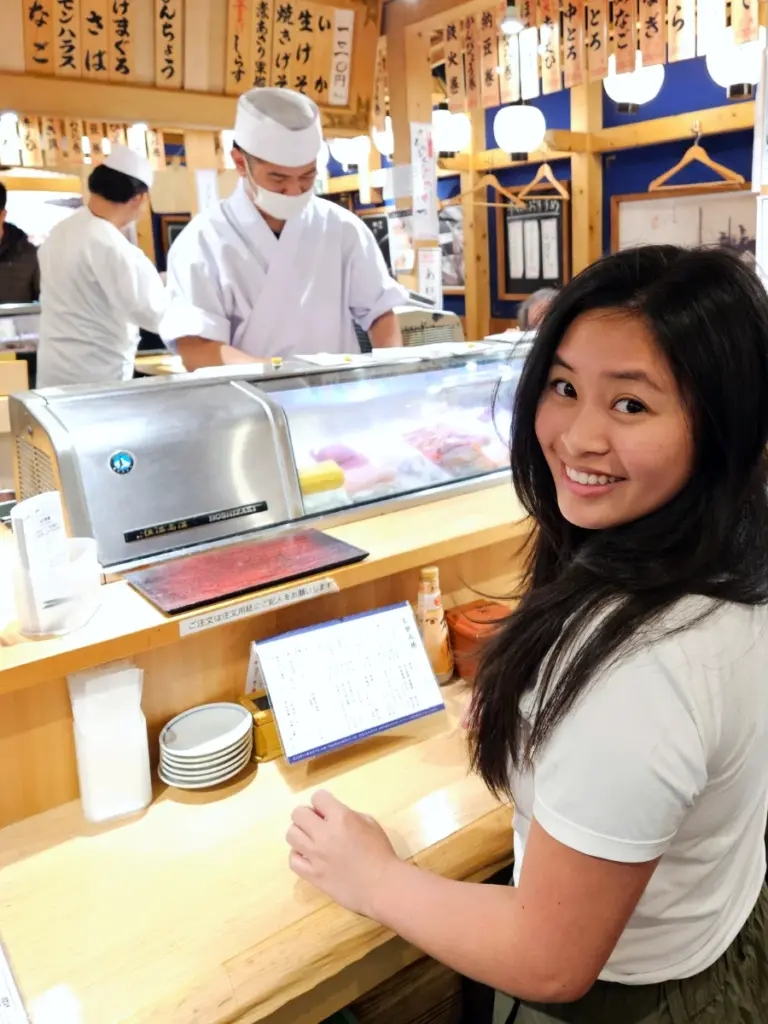
Walking in, we realized that the restaurant was a standing sushi restaurant. This means that you eat your whole meal while standing. This was definitely a new experience for us.
The restaurant also offers seating, which was what they initially offered us. But that’s boring (and also slightly more expensive than the standing option). So we gestured to other patrons who were standing while enjoying their meals and asked if we could do the same.
As our first sushi experience in Japan, I would say it was pretty awesome. We ordered one of the lunch sets they offered, and it was fun to be surprised with whatever they put in front of us.
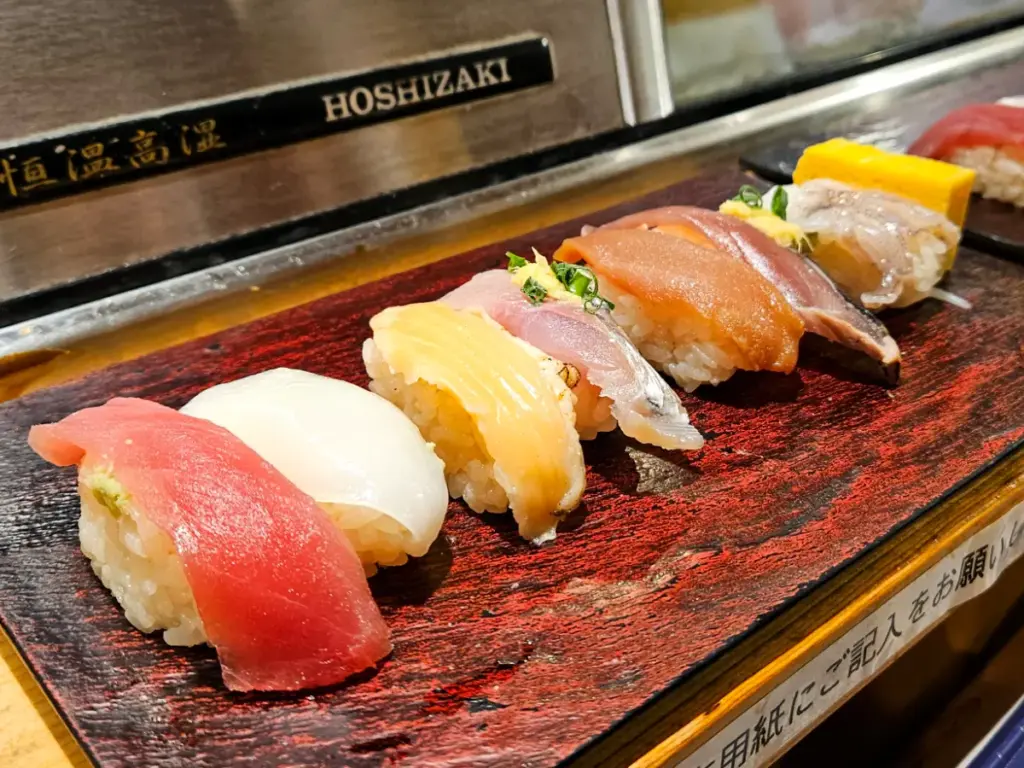
The fish tasted fresh. The miso soup was delicious. The price was so much cheaper than what we would have spent in LA for the same amount of food.
We were so happy with the food that we kept ordering more and more after we finished our lunch sets.
Katsu Curry
One of my favorite Japanese dishes has got to be katsu curry. There’s just something so comforting about a crispy, deep-fried cutlet (katsu) on a bed of steaming rice and smothered with Japanese curry.
The first time I had it in Tokyo was at a local chain restaurant, Hinoya Curry.
Tim and I had just spent hours and hours enjoying the digital art of teamLab Borderless, and we wanted to have some food before we spent the rest of the day watching the sun set over Tokyo and enjoying the best night views of the Tokyo Tower. (It was such an unforgettable Tokyo afternoon. Later that night we had ramen at Musasanjin, which I talked about in the section above!)

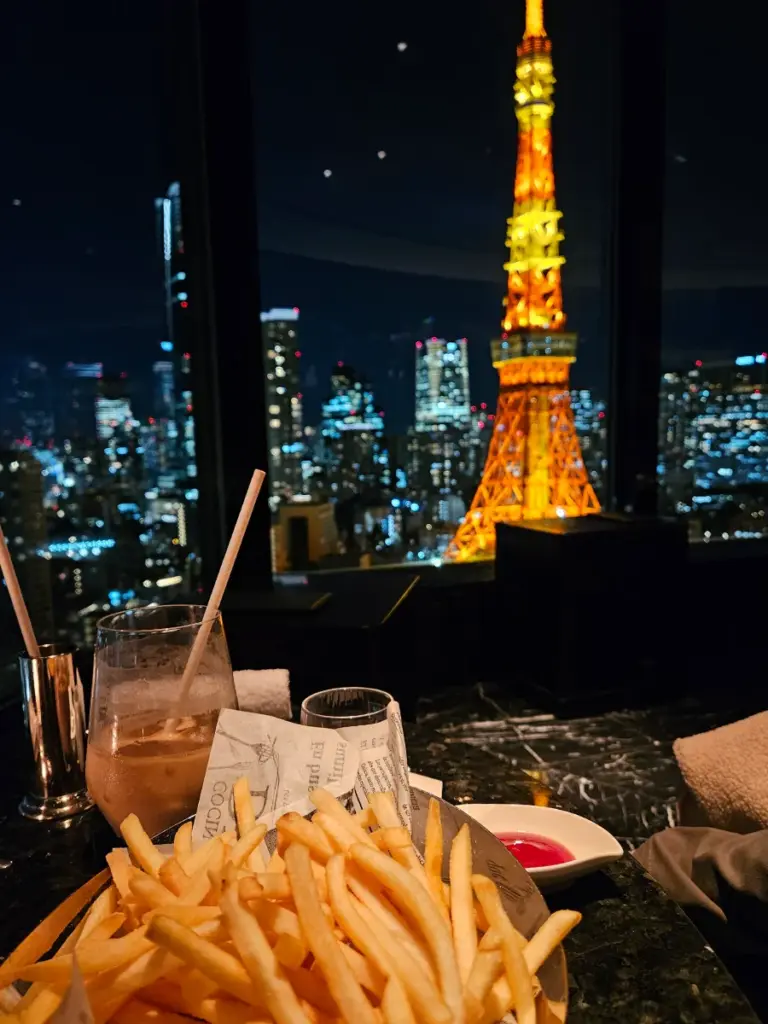
We were just gonna stop by one of the coffee shops nearby and get a coffee and some pastries. But we smelled something amazing coming from a little shop with a ticket machine outside.
So, as you know by now, we put cash in the cash-only ticket machine, walked in, and sat on some counter seats.
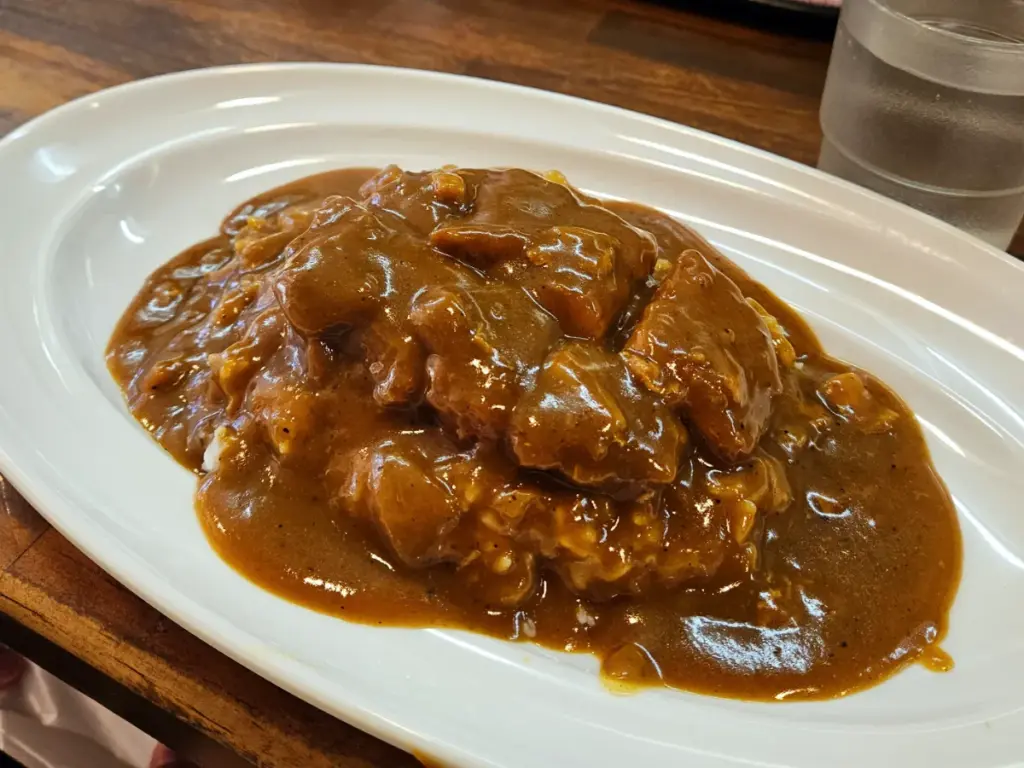
The meal was so delicious. The perfect amount of crunch from the panko-covered katsu. The perfect savory taste of the curry. The perfect fluffiness of the rice.
Katsu curry became a meal that I would have again and again and again in the months that we spent exploring Japan.
Monjayaki
A dish that neither Tim nor I have ever heard of before our trip is monjayaki.
Monjayaki is a savory, gooey pancake-like dish where a thin batter is mixed with chopped ingredients (like vegetables, seafood, and meat) and cooked on a flat top grill.
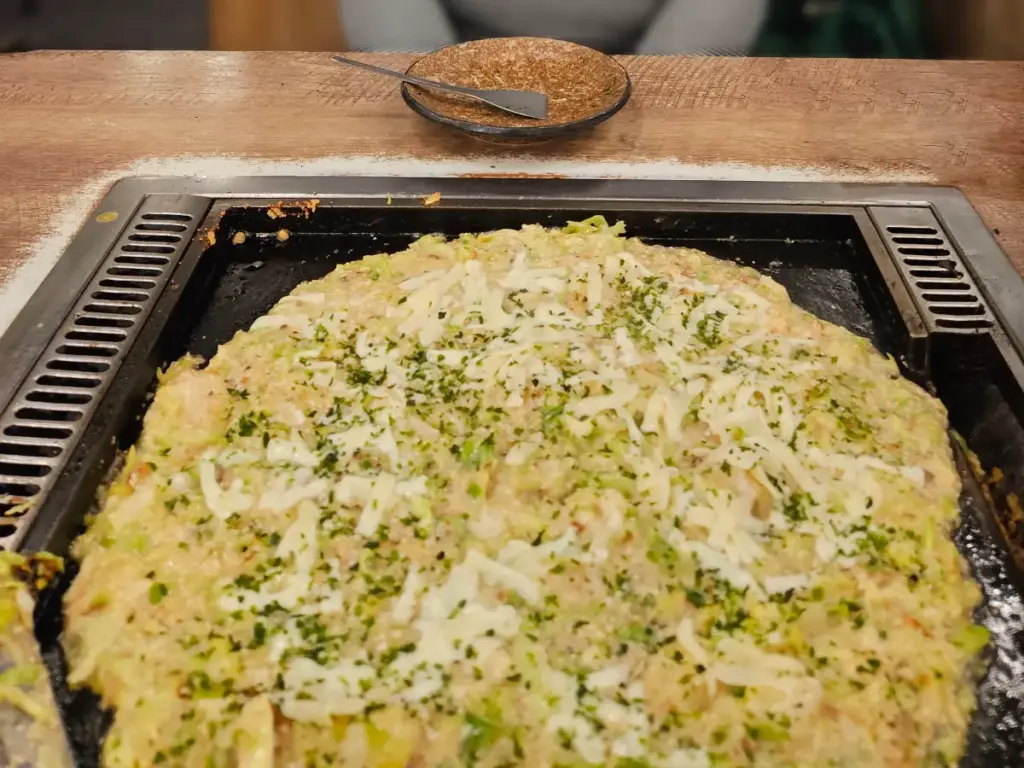
It’s eaten directly from the hot surface with a small spatula. The dish originates in Tokyo, and we discovered its existence while out walking around Senso-ji Temple late at night.
There’s this alley in Asakusa, right next to Senso-ji, called Hoppy Street that’s packed with izakaya (Japanese pubs serving food and drinks). I’m sure this area is filled with tourists during the day, but Tim and I preferred visiting Senso-ji at night so by the time we wandered into Hoppy Street, the crowds of tourists had died down. Instead, businesses were filled with people eating and drinking, singing karaoke, and smoking cigarettes.
When we passed by Monja Kanoya, we saw tables of patrons chatting and sharing bottles of alcohol, while smoke from the grills in front of them wafted in the air. We knew we had to join in.
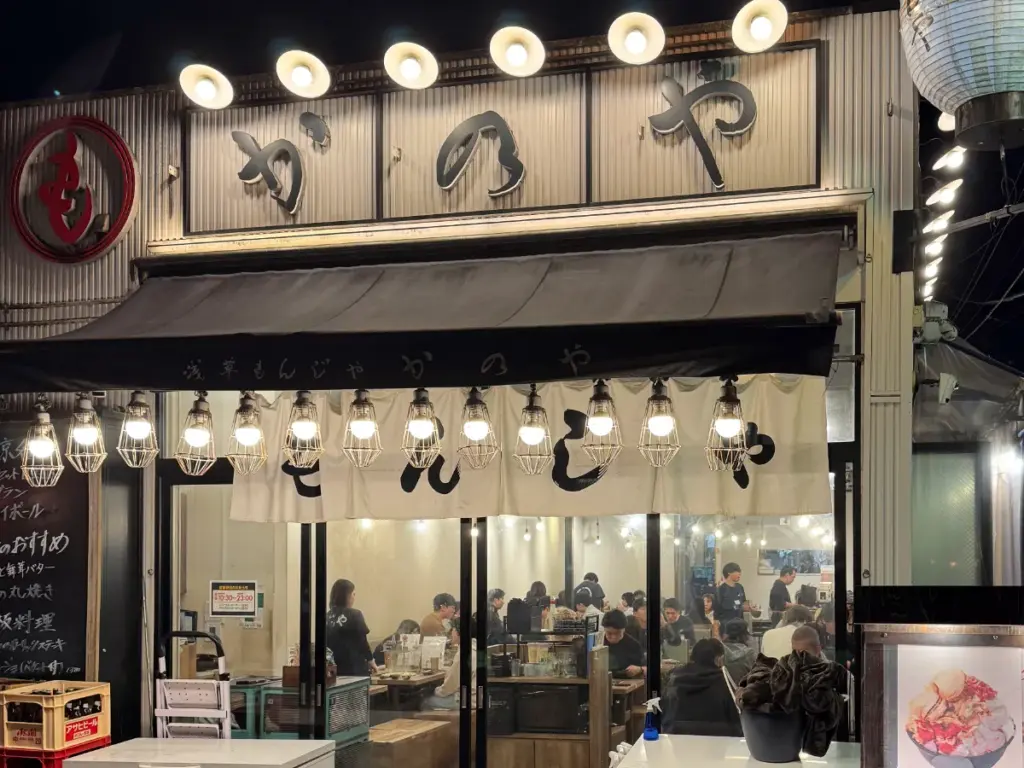
So Tim and I walked in, got immediately seated at a table (that had storage underneath where we kept our jackets and bags to keep them away from the smoke), and placed our orders.
The staff started cooking an omelet on the grill as our otoshi.
What is Otoshi?
Otoshi are mandatory appetizers served at a bar or izakaya that act as a table charge. Basically, each person is charged a certain amount (it varies by establishment) as a table charge or service fee, in exchange for some snacks (like nuts or pickles) or an appetizer.
When we were finished with our appetizer, they came out with a bowl piled high with the ingredients for our mentaiko (spicy pollock roe) and mochi monjayaki and started preparing it on our grill.
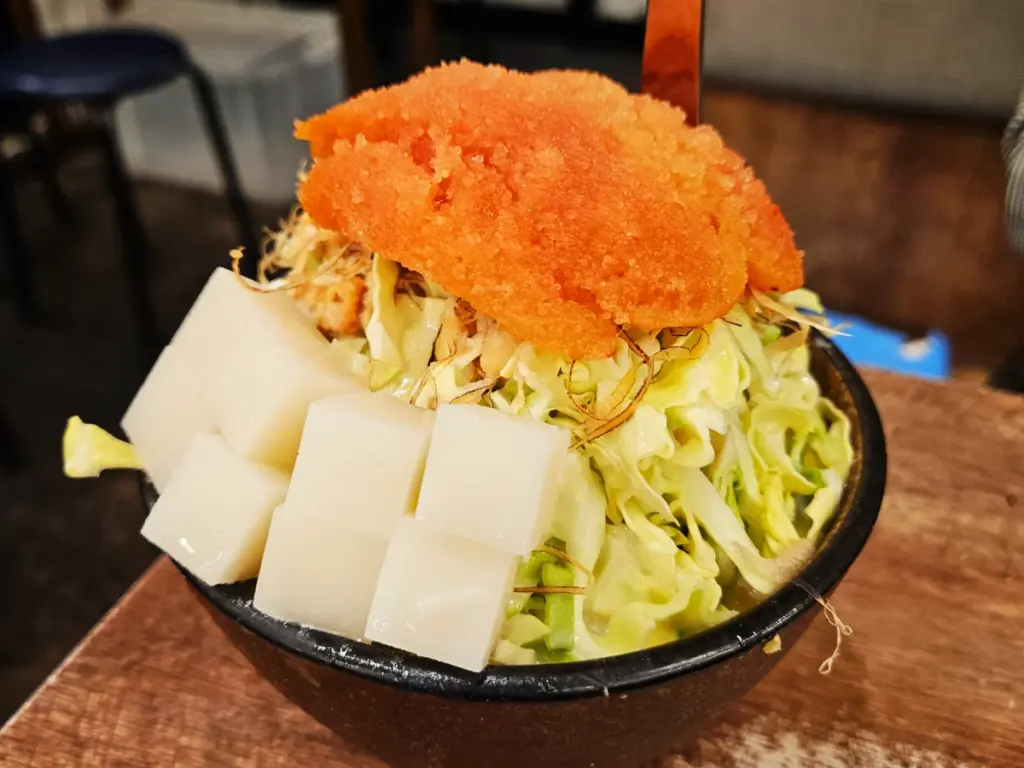
There’s only room for one dish to cook at a time so each item is savored individually.
Now monjayaki might not be the prettiest dish you’ve ever seen (it’s bubbly and gooey and chaotic), but it more than makes up for it on the flavor.
We used our small spatulas to eat the creamy, gooey monjayaki. It was this amazing blend of salty and savory flavor from the roe and the chewy texture of the mochi. And the longer the dish is cooking on the grill, the more the taste changes. The batter becomes more crispy and caramelized, and the flavor profile becomes more concentrated.
Once we finished our mentaiko mochi monjayaki, our server cleaned out our grill and started preparing the last dish we ordered, a red bean mochi monjayaki.
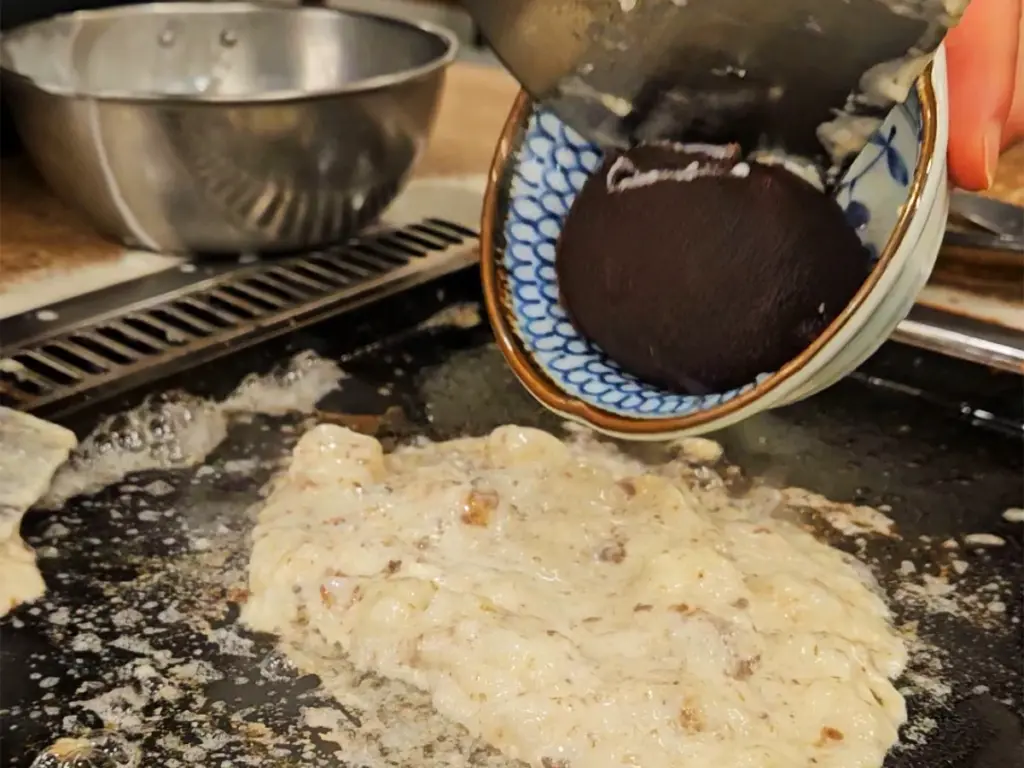
I love red bean mochi. Cook it on a grill and it transforms into this gooey dessert with crisp edges. The red bean’s earthy and sweet flavor is enhanced as it caramelizes on the grill.
Casual Snacks and Street Food
Tokyo isn’t just about its restaurants. All around the city lies various stalls serving up delicious street food.
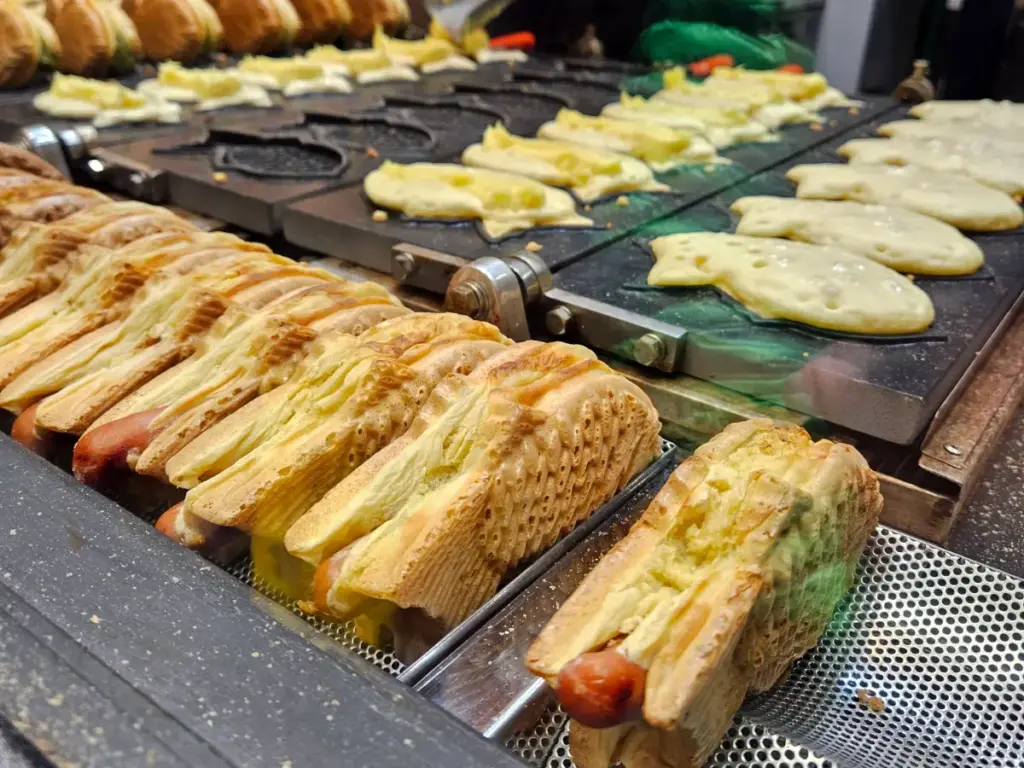
While strolling through Shinjuku, we passed by a window where people were preparing taiyaki, a fish-shaped cake made from a pancake-like batter and filled with fillings like sweet red bean paste, custard, and chocolate. Tim and I always order the red bean, but the ones being prepared were savory, with a whole hotdog inside (the hotdog was so big it was sticking out on both ends)! We had to get one.
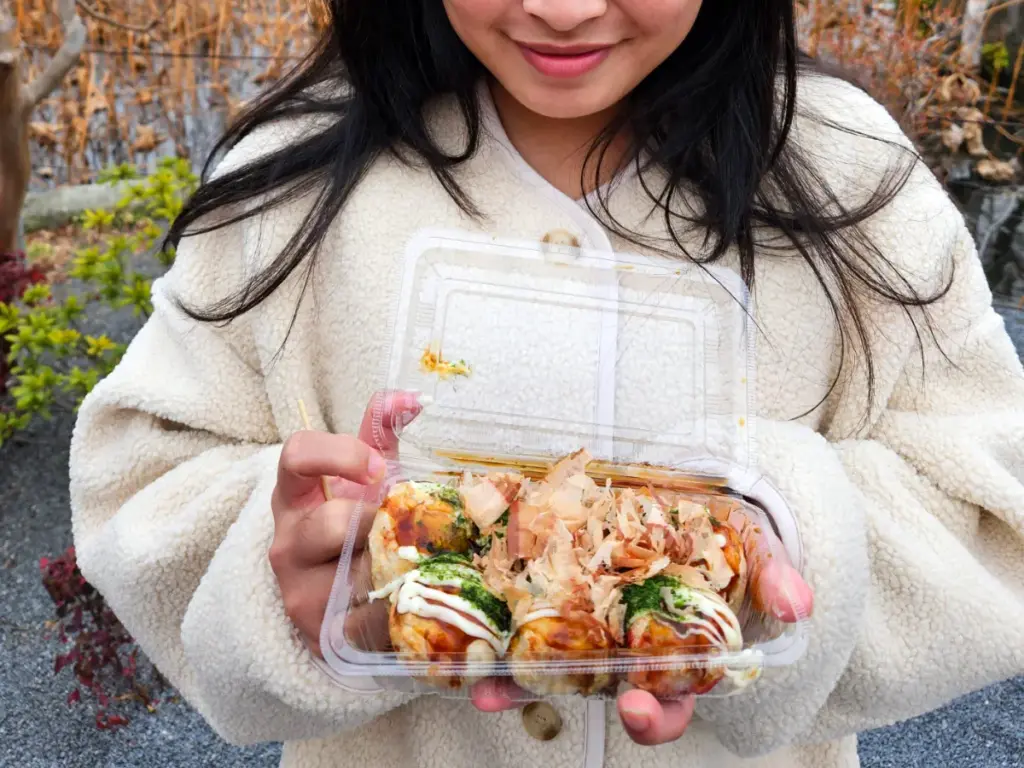
While on a morning stroll in Ueno Park, we happened upon food stalls set up by the Shinobazu no Ike Bentendō temple. We ended up with karaage (fried chicken), candied strawberries, and our first takoyaki (balls filled with chopped octopus, tempura, pickled ginger, and green onion in batter cooked in a special molded pan) in Japan!
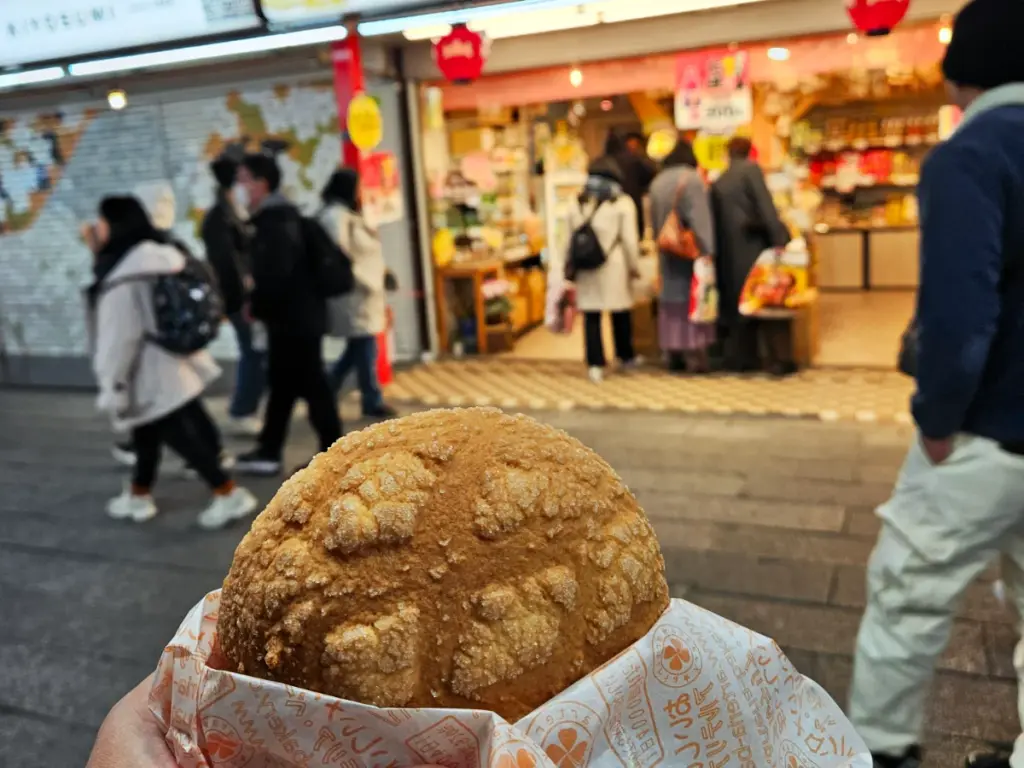
While visiting Senso-ji temple, we stopped to buy a stick of mitarashi dango (chewy rice dumplings that are grilled and glazed with sweet and savory soy sauce). We ended up chatting with the owner, who told us to stop by a different stall for some melonpan (a sweet bun with a sugary cookie crust). It didn’t taste like melon but it was yummy.
And finally, every single day we would stop by a 7-Eleven or a Lawson or a Family Mart for a snack. We got onigiri (rice balls with different kinds of fillings), egg sandwiches, other sandwiches, yogurt drinks, pastries, the list goes on.
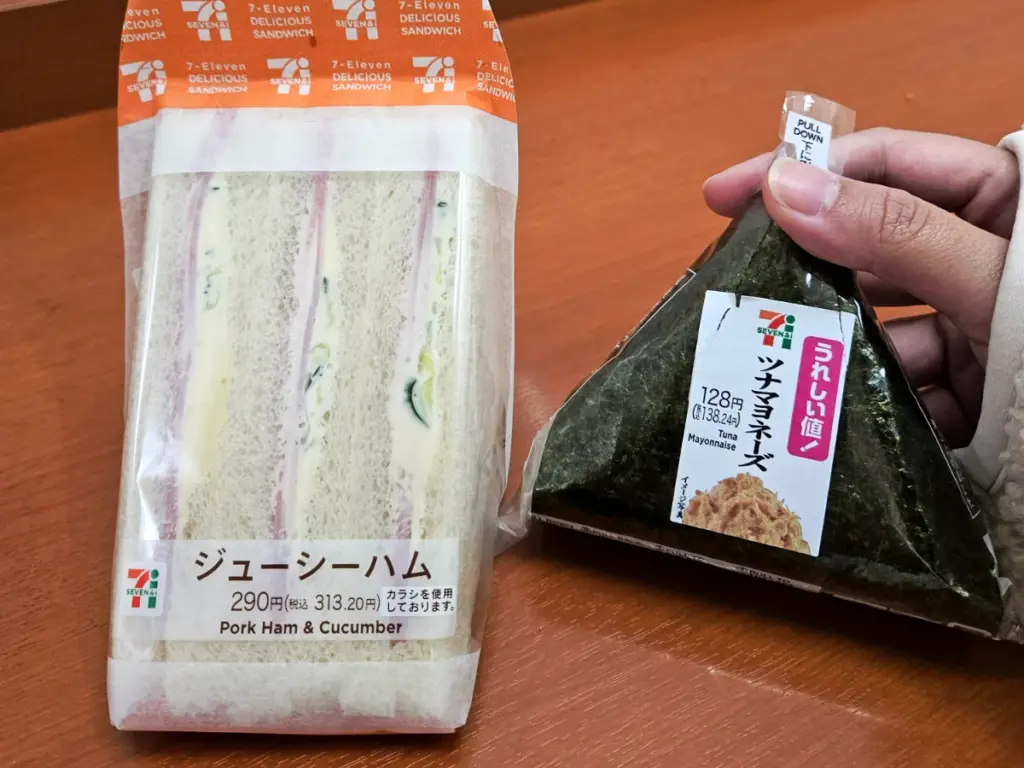
The best part was that they were all so, so good.
Conclusion
If our time eating our way through Japan taught us anything, it’s that you don’t need a planned itinerary or reservations booked months in advance to eat amazing food. Some of the best places to eat in Tokyo are the tiny shops with glowing red lanterns and a cash-only ticket machine waiting by the door.
By slowing down and being spontaneous, we were able to taste the city exactly as it was in the moment. Standing shoulder-to-shoulder with locals, chatting with bartenders, and discovering new flavors by pure chance.
What is the most memorable spontaneous meal you’ve ever had while traveling? Let us know in the comments below!
Planning your next trip but don’t know where to start?
Join our newsletter to get our free Slow Travel Toolkit!
It includes our essential pre-departure checklist, a budget guide and tracker, and the packing list we used for 15 months of travel.

Leave a Reply